
Last updated November 25, 2026
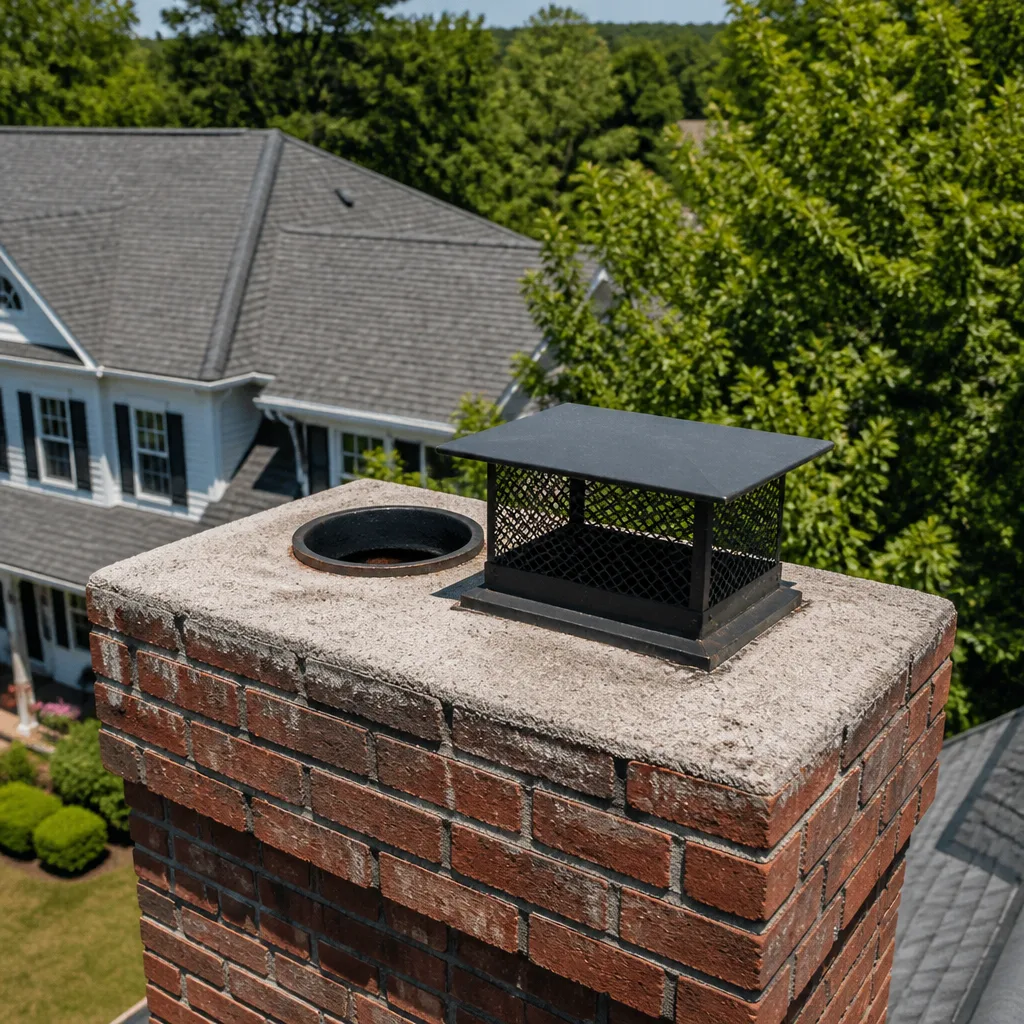 Sweep & inspection
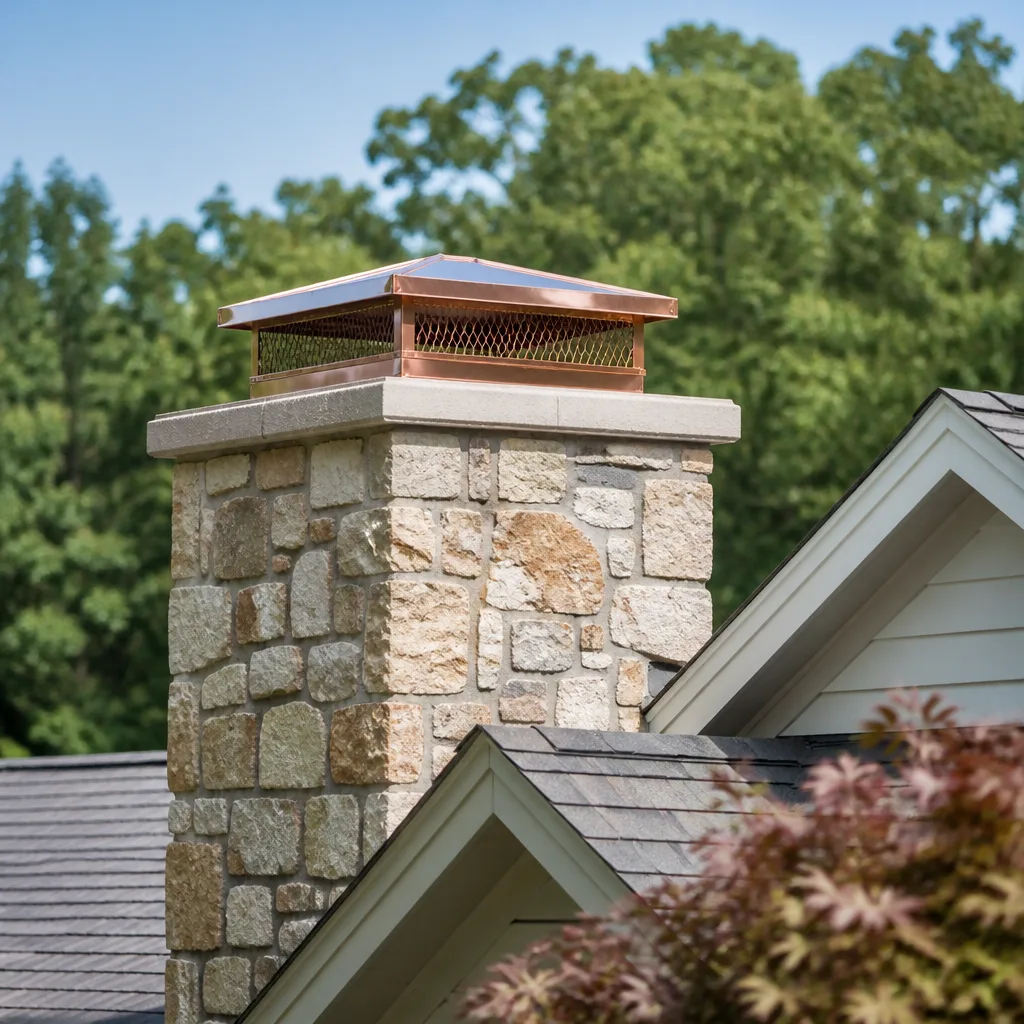 Caps & crowns
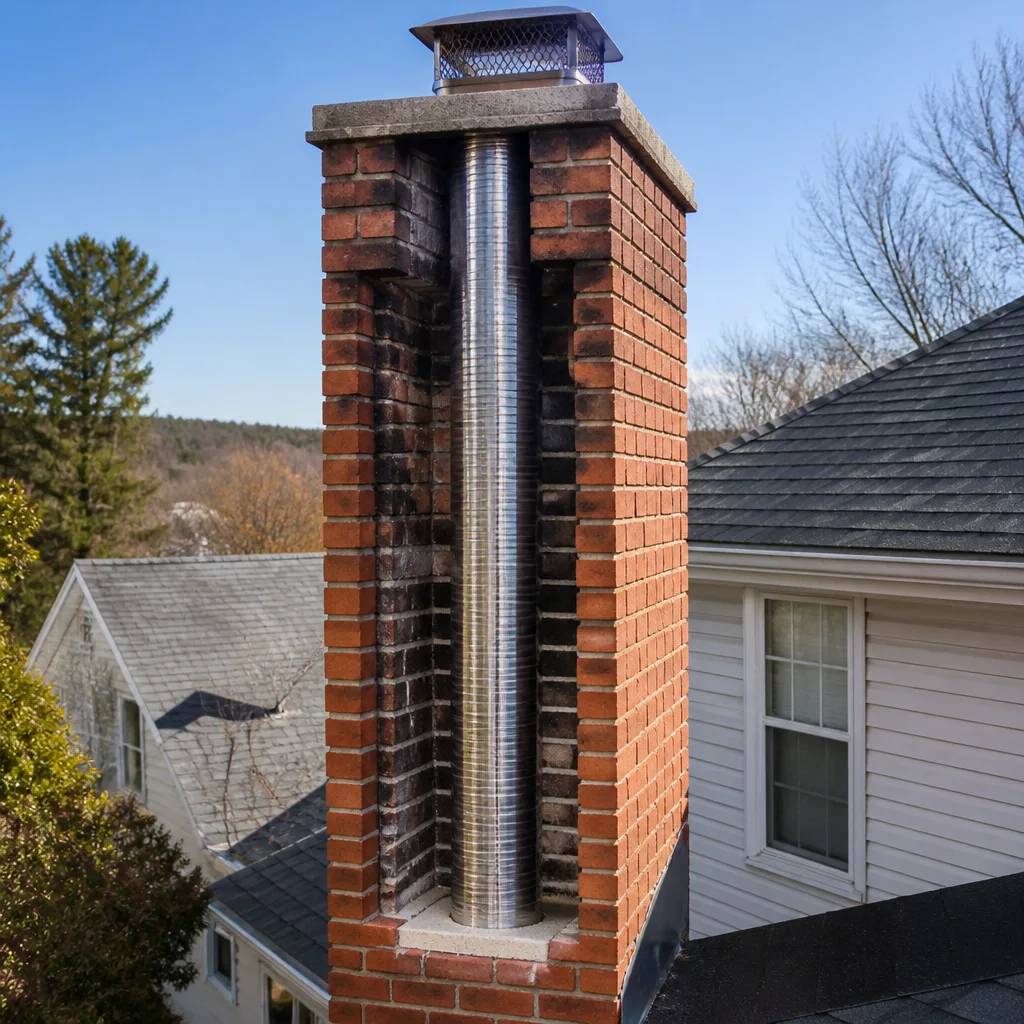 Flue relining
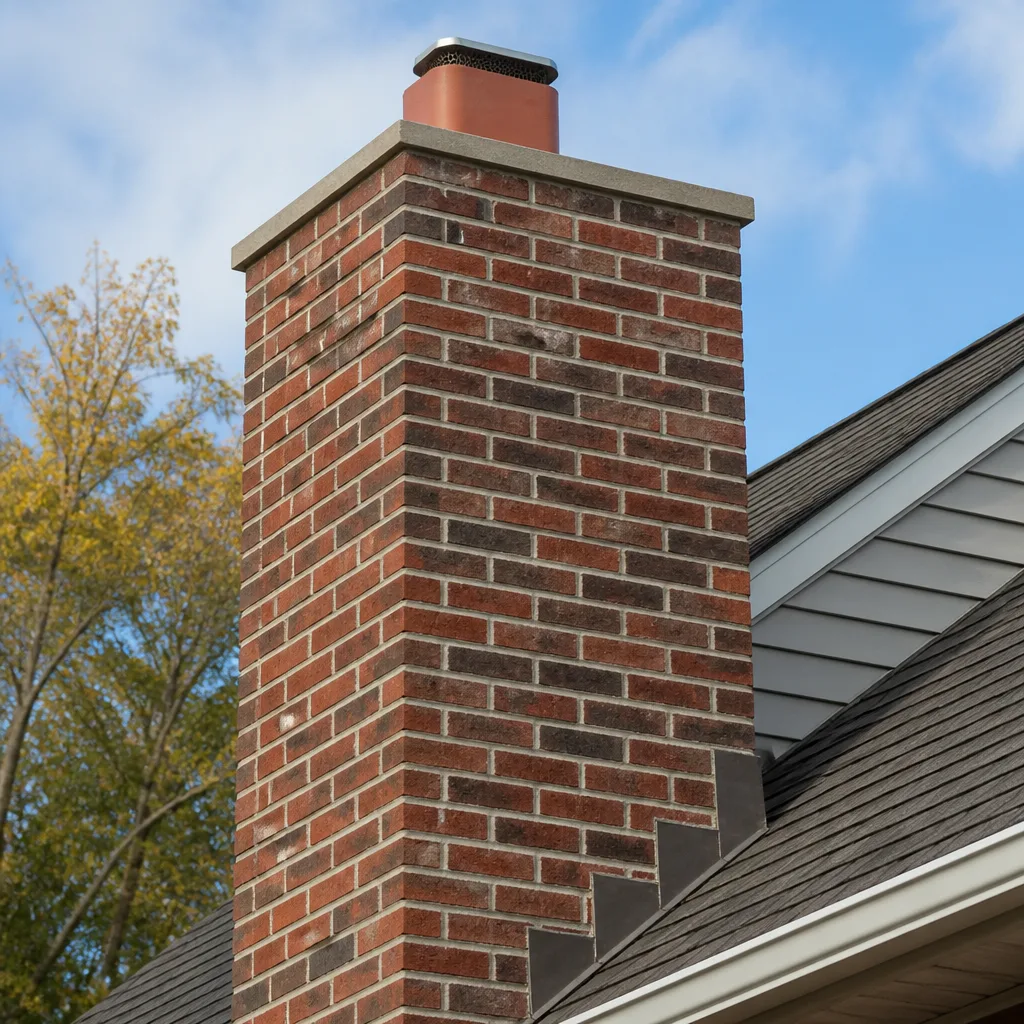 Masonry repair
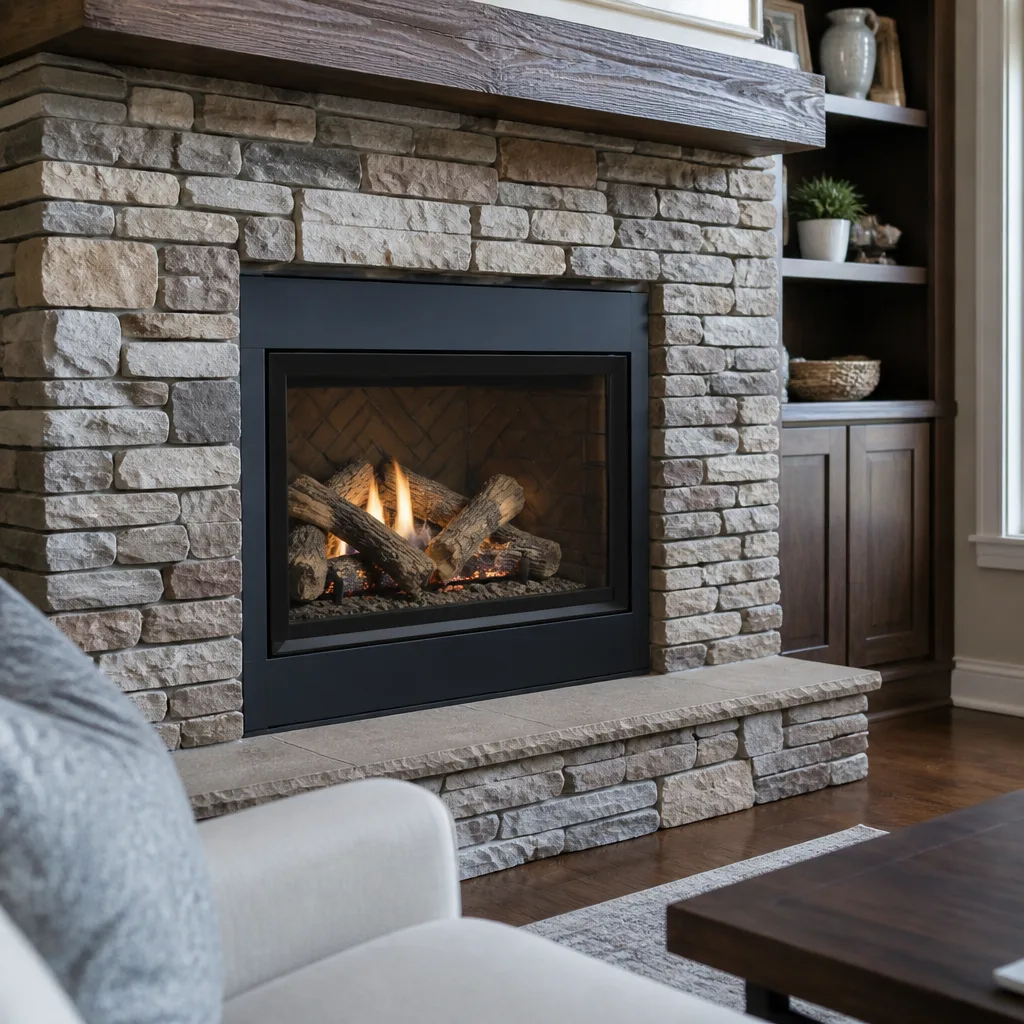 Gas fireplace service
Level 1 sweep and inspection to the NFPA 211 annual standard - flue, crown, cap, and flashing checked and photographed
Chimney sweep logs do not sweep chimneys. They loosen some creosote - which then falls where a brush and vacuum still have to collect it.
The Complete Guide to Chimney Cleaning in Adams Farm
Most homeowners in Adams Farm believe a chimney cleaning and a chimney inspection are one event, bundled together like an oil change and a tire rotation. They aren’t. A basic sweep clears creosote from the flue; a proper service reviews the whole system, from firebox joints to crown, and those are two very different scopes of work. The gap between them is where problems get missed for years. This guide maps what a complete cleaning actually includes, how wood, gas, and pellet appliances differ in this climate, why Guilford County’s clay-heavy soils matter to your liner, and which inspection level you actually need. By the end, you’ll know exactly what to ask for before anyone shows up at the door.
Quick Answer
A complete chimney cleaning in Adams Farm covers the flue, smoke chamber, smoke shelf, and firebox, with a camera review to confirm condition, not just a brush run up the flue. How often you need one depends on fuel type and usage: annually for most wood-burning fireplaces, and per the appliance maker’s schedule for gas and pellet systems. Cleaning and inspection are separate tasks, and a service worth paying for does both.
Styles & brands we work with
- Sweep & inspection
- Caps & crowns
- Flue relining
- Masonry repair
- Gas fireplace service
Table of Contents
- Cleaning vs. Inspection: What’s the Difference?
- What a Complete Cleaning Involves
- Wood, Gas, and Pellet: How Cleaning Differs
- Why Humid NC Summers Change Creosote Conditions
- Clay-Heavy Guilford County Soils and Liner Wear
- The Three CSIA Inspection Levels
- What Professional Equipment Reveals
- How Often Should You Schedule Cleaning?
Cleaning vs. Inspection: What’s the Difference?
A cleaning removes deposits; an inspection assesses condition. They overlap in practice, but they’re different jobs with different tools and different goals. A sweep that skips the inspection leaves you with a clean flue and no idea whether the liner, crown, or firebox is sound. An inspection without cleaning tells you the flue is dirty but not what’s underneath the creosote.
In Adams Farm, we’ve found the assumption that these come bundled is the single most common reason homeowners end up surprised by repair costs later. A service that quietly skips the inspection phase feels cheaper up front and costs more down the road, because damage that could have been caught early turns into a rebuild.
Here’s the practical split:
- Cleaning: Physical removal of soot, creosote, and debris from the flue, smoke chamber, smoke shelf, and firebox. Restores draft and reduces fire risk.
- Inspection: A visual and often camera-based review of the liner, joints, damper, crown, cap, and exterior masonry. Identifies cracks, gaps, rust, water intrusion, and blockages.
What you want is both, in a single visit, with a plain explanation of what was found. If a sweep company shows up, runs a brush, and leaves without telling you the condition of your liner, you’ve had half a service. For a full walkthrough of what our chimney sweep includes, it’s worth knowing the difference between a flue cleaning and a system review before you book.
A good service records what it finds. A photo or camera image of the liner interior is something you should be able to see for yourself, not take on faith. That’s the difference between a diagnosis and an estimate.
What a Complete Cleaning Involves
A complete cleaning touches every part of the system that collects deposits, not just the vertical flue. The flue is the easiest part to clean and the most visible on a receipt. The parts that matter most are the ones a basic sweep tends to skip.
Here’s what should happen, in order, on a proper service:
- Lay down protection. Drop cloths and a sealed work area before any tool goes into the firebox. No soot tracked into the room.
- Inspect the firebox and firebox joints. Cracked or open joints let heat and gases escape into the wall cavity. A brush doesn’t touch these.
- Reach the smoke shelf and smoke chamber. The smoke shelf is a ledge just above the damper that catches soot and debris. The smoke chamber above it is angled and often filthy. Most basic sweeps never address either one.
- Sweep the flue. Rotary brushes sized to the flue, not a hand brush and a hope. The goal is removing glazed creosote and soot, not just knocking down the loose top layer.
- Pull and review the damper. Does it open fully, close fully, and seal? A stuck or warped damper changes how the whole system drafts.
- Run the camera. Inspect the liner interior for cracks, gaps, and separation. This is where the real information lives.
- Review the cap and crown. Both are the chimney’s first defense against water. Cracks in the crown or a missing cap lead to water damage inside the masonry.
- Clean up completely. HEPA vacuum, no residue, and a walkthrough of what was found.
Steps 2, 3, and 6 are the ones a cheap sweep skips, and they’re the ones that catch the problems. The smoke chamber in particular is a genuine fire risk when it’s heavily glazed, and it’s invisible from the top of the flue.
If the inspection turns up cracks in the firebox or damaged firebox mortar, the right next step is targeted fireplace repair, not a bigger brush. One company handling both ends of that is the reason we carry the full scope.
Wood, Gas, and Pellet: How Cleaning Differs
Not every chimney carries the same deposits. A wood-burning fireplace produces creosote and soot. A gas appliance produces almost no creosote but can vent acidic condensate that corrodes the liner. A pellet stove produces fine ash and some creosote. Treating all three with the same annual brush routine is a mistake.
Wood-burning fireplaces
This is the classic creosote case. Wood smoke condenses on cooler flue surfaces and builds up in three stages, from soft soot to glazed, tar-like creosote that a hand brush can’t cut. The buildup rate depends on how dry the wood is, how hot the fire burns, and how often the fireplace is used. In Adams Farm, where shoulder seasons mean a lot of short, cool fires, glaze builds faster than in homes that burn hard and hot.
Gas appliances
Gas fireplaces and gas log sets produce very little creosote, but they’re not maintenance-free. The combustion byproducts are acidic, and in a flue not designed for them, that condensate eats at the liner over time. Gas also vents fine debris and can clog the flue with dust and lint. Cleaning frequency follows the appliance manufacturer’s guidance, and the inspection matters more than the sweep.
Pellet stoves
Pellet stoves produce a fine, powdery ash that travels differently than wood soot and can pack into the vent in ways that restrict draft. The venting system, whether through the wall or the roof, needs its own cleaning schedule separate from the flue. Pellet systems also run cooler exhaust, which means more moisture and a different deposit profile.
If you’re not sure which category your appliance falls into, or you’re moving into a home where the previous setup is unclear, that’s a legitimate reason to book an inspection first. We’ll tell you what we find and what it actually needs, with no pressure and no guesswork.
Why Humid NC Summers Change Creosote Conditions
Piedmont North Carolina summers are humid, and that humidity does something to a chimney that drier climates don’t have to contend with. Creosote left in the flue through a damp summer absorbs moisture from the air, and that moisture changes the creosote’s behavior. Soft, fluffy soot can harden. Existing glaze can soften at the surface and re-bond to the flue wall in layers.
Humidity also drives water intrusion. A chimney that doesn’t leak in a dry climate can leak in a humid one, because the masonry absorbs moisture from humid air, rain drives against the crown, and the whole assembly stays damp long enough for freeze-thaw cycles in winter to do real damage. The crown and cap are the entry points.
The practical takeaway for Adams Farm homeowners:
- Sweep before the burning season, not after. Deposits left sitting through a humid summer are harder to remove in fall than they would have been in spring.
- Look at the crown and cap every year. Hairline cracks that look minor in October are freeze-thaw damage by February.
- Don’t assume a summer that felt dry meant a dry chimney. Ambient humidity is enough to affect unsealed masonry and old creosote.
Our humid climate is also why we take cap and crown work seriously. A properly installed cap and a sealed crown stop the water before it ever reaches the flue. If your crown is cracked or your cap is missing, it’s worth reading up on chimney cap & crown work and getting it addressed before the next wet season. A cracked crown is a masonry problem today and an interior water problem later.
The products matter here. We install caps and crowns from Gelco and Famco, which are specified by chimney professionals for their waterproofing performance, not the stamped metal caps sold at the hardware store. The difference shows up five years in.
Clay-Heavy Guilford County Soils and Liner Wear
The soils around Guilford County hold water. Clay-heavy ground drains slowly, which means the base of a chimney and the foundation it sits on stay damp longer than they would in sandy soil. That dampness works its way up through the masonry, into the mortar joints, and toward the flue liner. Over time, that’s one more path to moisture reaching the clay tiles.
Clay tile liners, which most Adams Farm homes have, crack under two stresses: heat cycling from repeated fires, and moisture from the soil and the weather above. A hairline crack in a tile joint is enough to let combustion gases escape into the surrounding masonry. That’s why the camera inspection matters so much in this area: the damage is rarely visible from either end of the flue.
When we do find liner damage, a full tear-out and rebuild isn’t always necessary. HeatShield is a resurfacing system that restores a damaged clay liner from the inside, sealing cracks and joints without demolition. It’s a real alternative to a full reline for the right kind of damage, and it’s one of the systems we’re set up to apply.
For liners that need full replacement, or for appliances that need a correctly sized liner for their fuel type, DuraFlex is the system we install for wood, gas, and oil. That’s a level of scope most basic sweep companies don’t offer, and it matters in a region where clay soils and humid summers stack the odds against a decades-old clay liner.
The honest rule is this: nothing gets recommended without camera evidence you can look at yourself. If a liner can wait another season, we’ll tell you that too.
The Three CSIA Inspection Levels
Not every chimney needs the same depth of review. The Chimney Safety Institute of America defines three inspection levels, and knowing which one fits your situation tells you what to ask for when you book.
Level 1 inspection
The basic visual review, done with the standard tools a sweep carries and without any camera or access work. It covers the readily accessible parts of the system: firebox, damper, visible flue, cap, and exterior. This is the right level for a chimney that’s in regular use, is maintained on schedule, and hasn’t changed appliances or had a problem. It pairs naturally with a routine cleaning.
Level 2 inspection
Level 1 plus a camera review of the flue interior and access to parts of the system that aren’t readily visible. Required when the appliance changes, when a home is sold, after a chimney fire or other event, or when a Level 1 turns up something that needs a closer look. In practice, this is the level most Adams Farm homeowners want, because the clay liner damage that matters here shows up on camera and nowhere else.
Level 3 inspection
The most involved level, used when specific areas need to be accessed by removing parts of the chimney or building assembly. Reserved for suspected hidden damage that can’t be evaluated any other way. It’s uncommon, and it should never be the starting point.
Here’s how to know which one you’re booking:
- Routine annual cleaning, no changes: Level 1 with a cleaning.
- New home purchase, appliance change, or recent chimney fire: Level 2.
- Suspected hidden damage from a Level 2: Level 3.
Ask before you book. A company that can’t tell you which level they’re doing is doing whatever’s easiest, not what your chimney needs.
What Professional Equipment Reveals
The right equipment is the difference between a sweep that clears what it can reach and a service that reviews the whole system. Here’s what the professional-grade tools actually do:
- Rotary brushes: Powered brushes sized to the flue cut through glazed creosote that a hand brush rides over. On a heavily glazed flue, the difference is the difference between clean and not clean.
- HEPA vacuums: Capture fine soot at the source instead of scattering it into the room. On a full cleaning of the smoke chamber and firebox, this is what keeps a job clean in the living space.
- Inspection cameras: Show the interior of the liner, the joints, and the offset areas that no other tool can reach. This is where the diagnosis actually comes from.
- Moisture meters and combustion tools: Confirm whether masonry is wet and how the appliance is venting, which informs both cleaning and repair decisions.
A brush and a shop vac will get soot off the flue wall. They won’t show you the crack three feet up the liner or the glazed coating on the smoke chamber. Those are the findings that determine what your chimney actually needs, and they can only come from equipment built to reveal them.
This is also why we stock the materials the industry specifies. When a cleaning turns up damage that needs HeatShield resurfacing, a DuraFlex liner, or Gelco and Famco caps and crowns, we’re equipped to do the work rather than hand you off to a separate contractor. One company, every part of your chimney system.
How Often Should You Schedule Cleaning?
Here’s the short answer: plan on an annual cleaning for a wood-burning fireplace in regular use, and follow the appliance maker’s schedule for gas and pellet systems. That’s the baseline. The real answer depends on how you use the chimney, and Adams Farm homes vary widely on that.
The factors that move the schedule:
- Usage frequency. A fireplace used most winter evenings needs a sweep every year. One used a handful of times a season may be able to stretch the interval, as long as the inspection confirms it.
- Fuel quality. Well-seasoned wood burns cleaner and builds less creosote. Green or damp wood builds it fast.
- Fire behavior. Hot, efficient fires produce less creosote than smoldering, low-air fires that send more unburned smoke up a cooler flue.
- Appliance type. Gas and pellet systems have their own servicing intervals and their own failure modes.
What we tell homeowners is that the schedule is a starting point, not a rule. A camera review at each cleaning tells you whether the actual buildup supports the calendar. If it does, you clean annually. If it doesn’t, the evidence says so, and we’ll say so too.
If you want one reliable company for cleaning, inspection, and any repair that turns up, the interval question gets easier, because the same people reviewing the chimney each time know its condition and its history.
Common Mistakes to Avoid
- Assuming the cleaning includes the inspection. They’re separate tasks. Ask which inspection level is being performed before the sweep arrives, or you may get a clean flue and no information about its condition.
- Skipping the smoke chamber and smoke shelf. These are the areas that build glazed creosote and the areas most basic sweeps ignore. A service that only touches the flue has left real deposits and real fire risk behind.
- Waiting for problems to show up in the house. A chimney rarely announces trouble until it’s expensive. Camera evidence before that point is when you catch cracks while they’re still small.
- Ignoring the crown and cap through the humid NC summer. Water is the leading cause of chimney damage. A cracked crown or missing cap lets moisture in all season, and freeze-thaw does the rest.
- Treating every appliance like a wood fireplace. Gas and pellet systems have different deposits and different failure modes. Cleaning them on the wood-fireplace schedule is the wrong approach.
- Assuming a full liner rebuild is the only option. HeatShield resurfacing restores many damaged clay liners without demolition. Get a camera review before accepting a rebuild quote.
- Hiring a sweep who can’t explain what was found. A complete service ends with a walkthrough of what was found and what it needs. Anything less isn’t a diagnosis.
See the difference
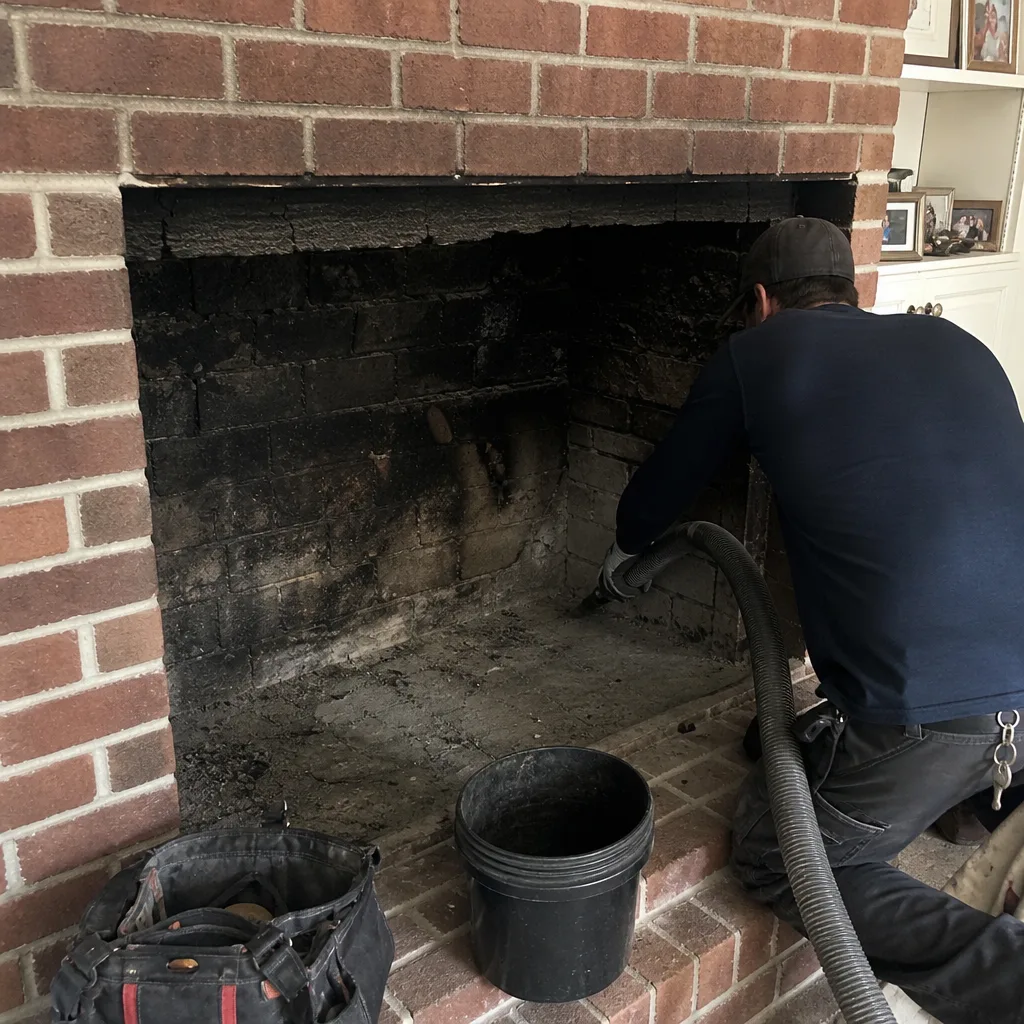 Before
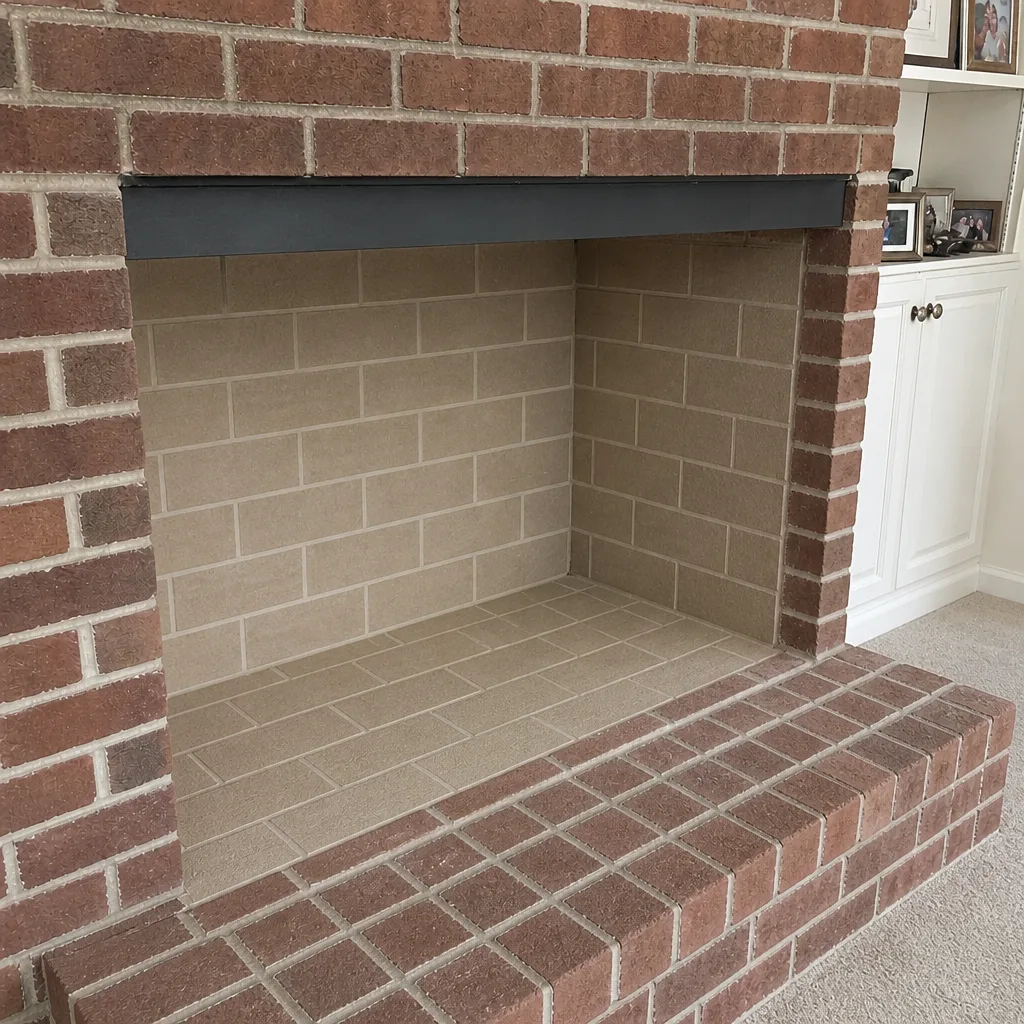 After
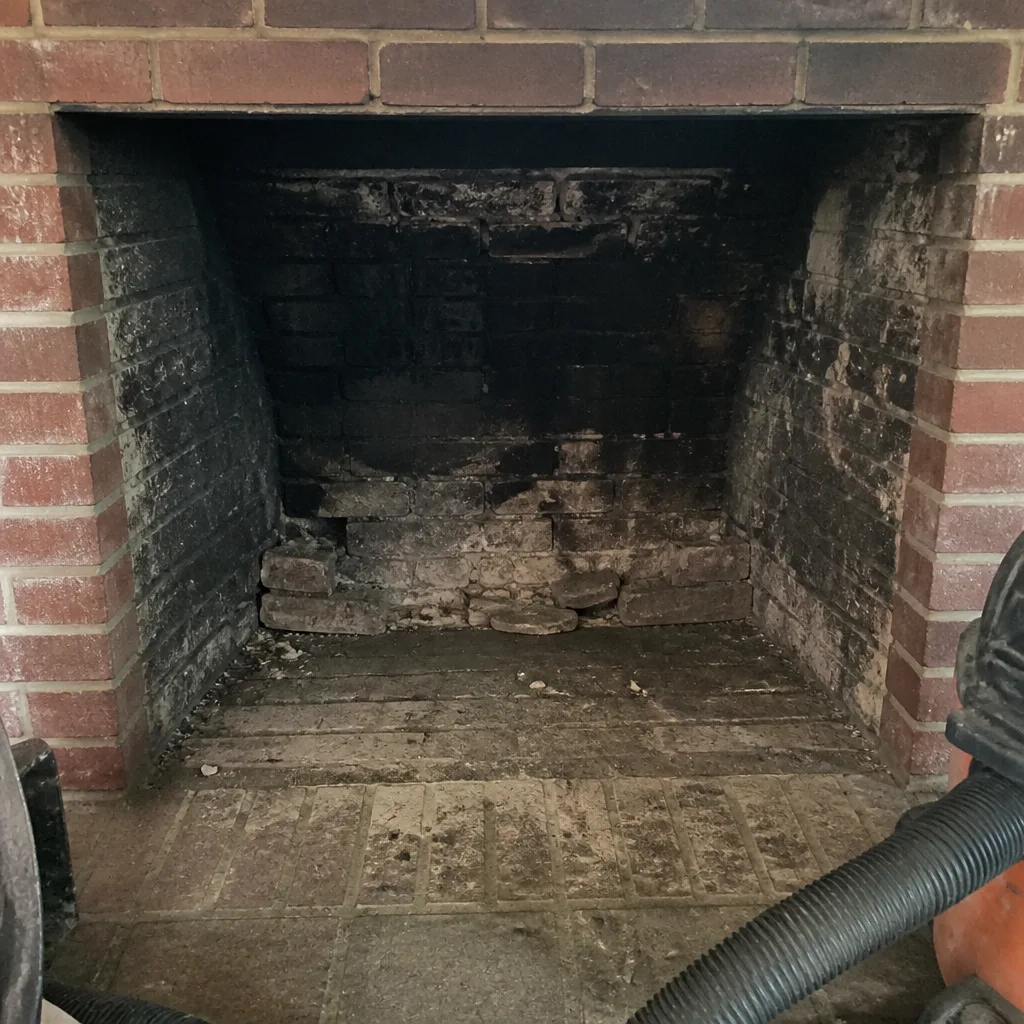 Before
 After
 Before
 After
When to Call a Professional
Some chimney work is routine; some of it isn’t safe to skip. Call a professional if you haven’t had the chimney cleaned or inspected in more than a year, if you notice smoke backing into the room, if you smell a strong creosote or smoky odor even when the fireplace is cold, or if the firebox or damper looks damaged. Call if your cap is missing or your crown is cracked, and call if you’re buying a home and the chimney’s history is unknown, since that’s a Level 2 inspection. Also call if you’ve had a chimney fire, even a small one, because the liner may be damaged even when the chimney looks fine. Chimney Sweep Adams Farm offers free estimates in Adams Farm. Call (855) 812-5209. We answer 24/7. Fast dispatch from 7am to 7pm, Sunday through Friday. The local pro is licensed and insured as their state requires, and nothing gets recommended without camera evidence you can see.
Frequently Asked Questions
Plan on an annual cleaning for a wood-burning fireplace in regular use, and follow the appliance manufacturer’s interval for gas and pellet systems. Adams Farm’s humid summers mean creosote left in the flue over the off-season is harder to remove, so sweeping before the burning season is usually better than waiting until after it. Call (855) 812-5209 for an exact quote. Estimates are free.
Not automatically. Cleaning removes deposits; inspection reviews the condition of the liner, firebox, damper, crown, and cap. A complete service does both in a single visit, and in our experience the camera inspection is where the real findings come from. Always ask which CSIA inspection level is being performed.
Most cleanings take less time than a full vehicle service, but the exact time depends on the flue length, the level of creosote buildup, and how much of the system the inspection covers. A heavy glaze or a full smoke chamber cleaning takes longer than a light soot removal. The written estimate covers the scope before work starts.
Yes. Gas appliances produce almost no creosote but vent acidic condensate that can corrode a liner over time, and gas fireplaces can still collect dust and debris in the flue. The cleaning method and the interval both differ from a wood-burning fireplace. Cleaning them on the wood schedule is the wrong approach.
Humid summers let creosote absorb moisture, which makes it bond harder to the flue and changes how it behaves going into fall. Humidity also drives water intrusion through cracked crowns and missing caps, and Guilford County’s clay-heavy soils hold moisture against the chimney’s base. The combination is why we check the crown and cap at every visit.
Often, yes. HeatShield resurfacing restores many damaged clay liners from the inside, sealing cracks and joints without demolition. Whether it’s the right option depends on what the camera shows, which is why we don’t recommend anything without camera evidence you can see for yourself. Call (855) 812-5209 for an exact quote. Estimates are free.
The Bottom Line
A chimney cleaning in Adams Farm is only as good as its scope. A flue brush and a vacuum clear the easy deposits and leave the smoke chamber, firebox joints, and liner condition unexamined. A complete service cleans every part of the system that collects deposits, inspects the liner with a camera, and tells you plainly what it found. Adams Farm’s humid summers and Guilford County’s clay soils make both inspection and the water defense at the top of the chimney worth keeping current. One company, every part of your system, from the firebox to the crown. If you’re ready to know exactly what’s going on in your chimney, call us today.
Chimney Sweep Adams Farm handles cleaning, inspection, fireplace repair, caps and crowns, and chimney repair across Adams Farm. We work with professional-grade systems from DuraFlex, HeatShield, Gelco, Olympia Chimney, Famco, and Copperfield, and our technicians have up to 15 years of experience. Call (855) 812-5209. We answer 24/7. Fast dispatch from 7am to 7pm, Sunday through Friday. Estimates are free, the price is set per job by the written estimate, and the satisfaction guarantee applies.
Written by the team at Chimney Sweep Adams Farm.