
Last updated November 25, 2026
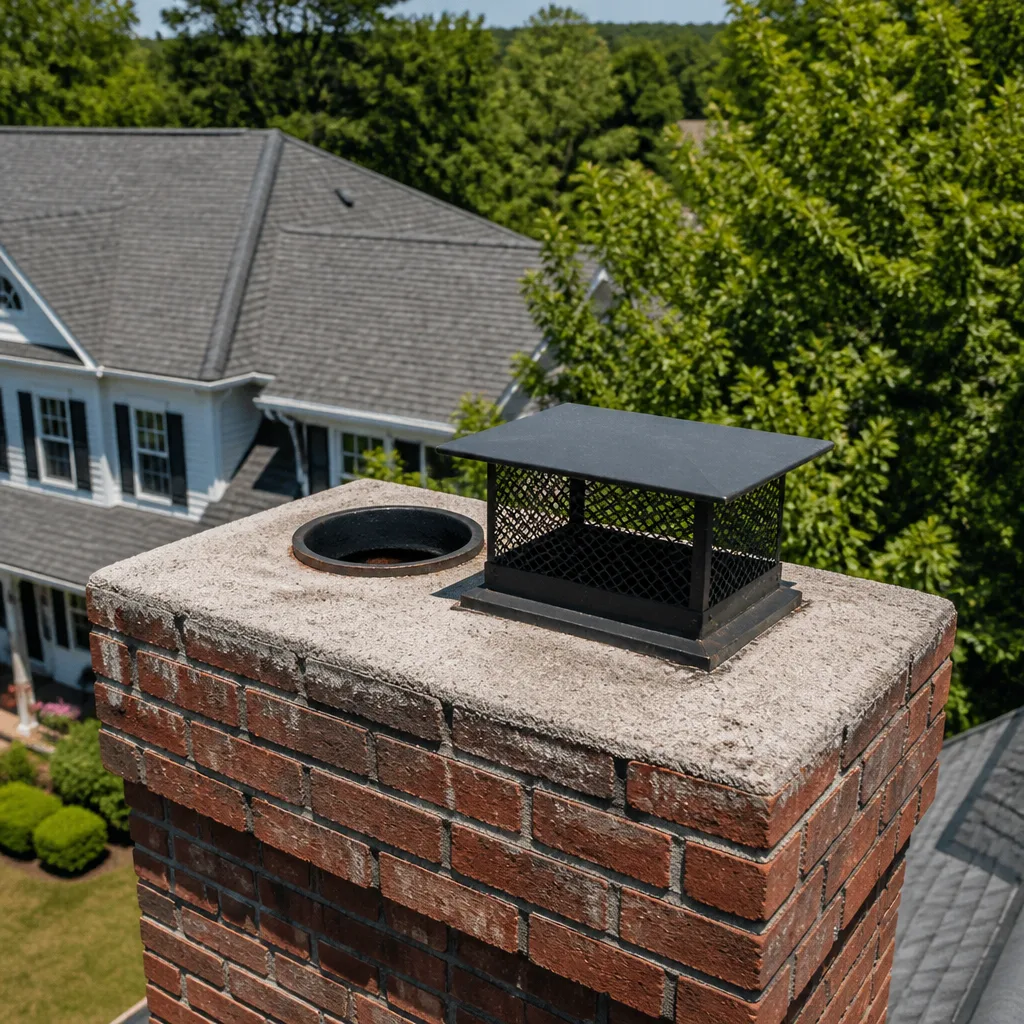 Sweep & inspection
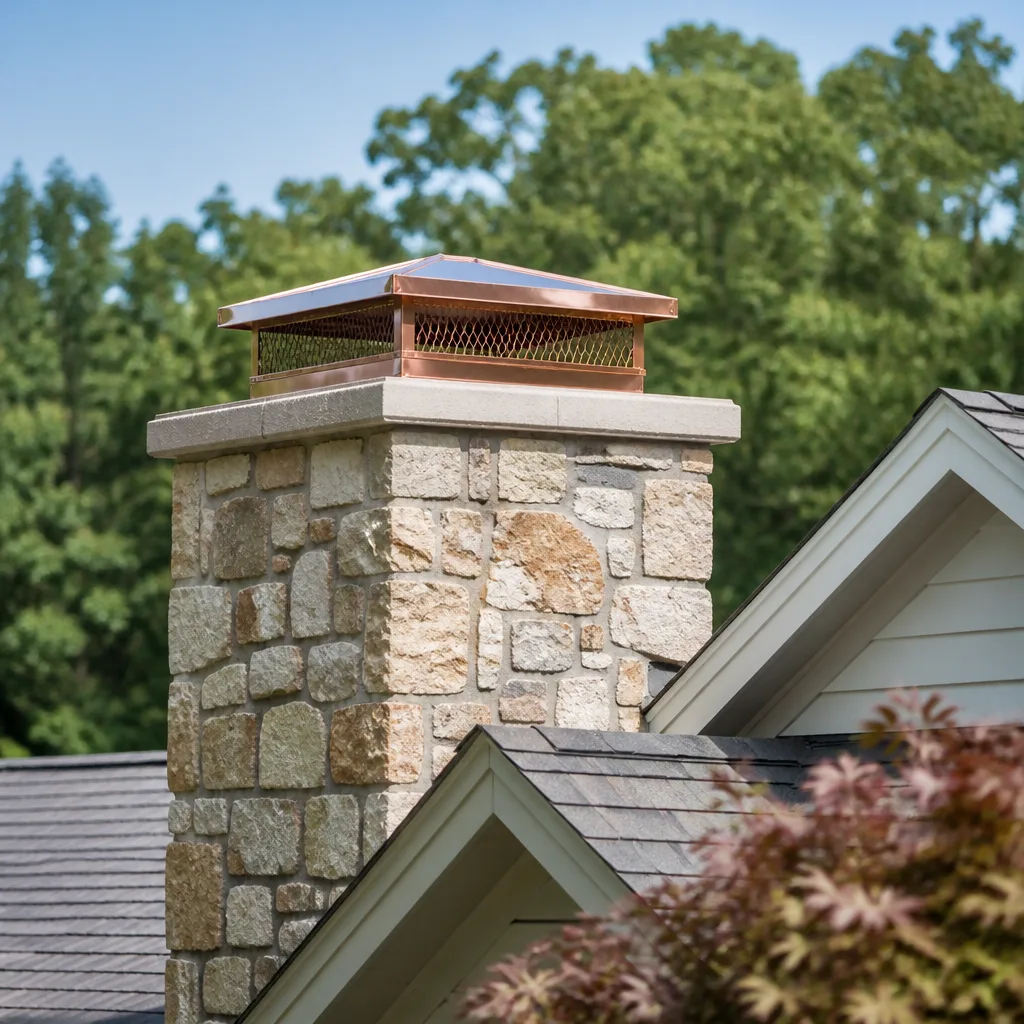 Caps & crowns
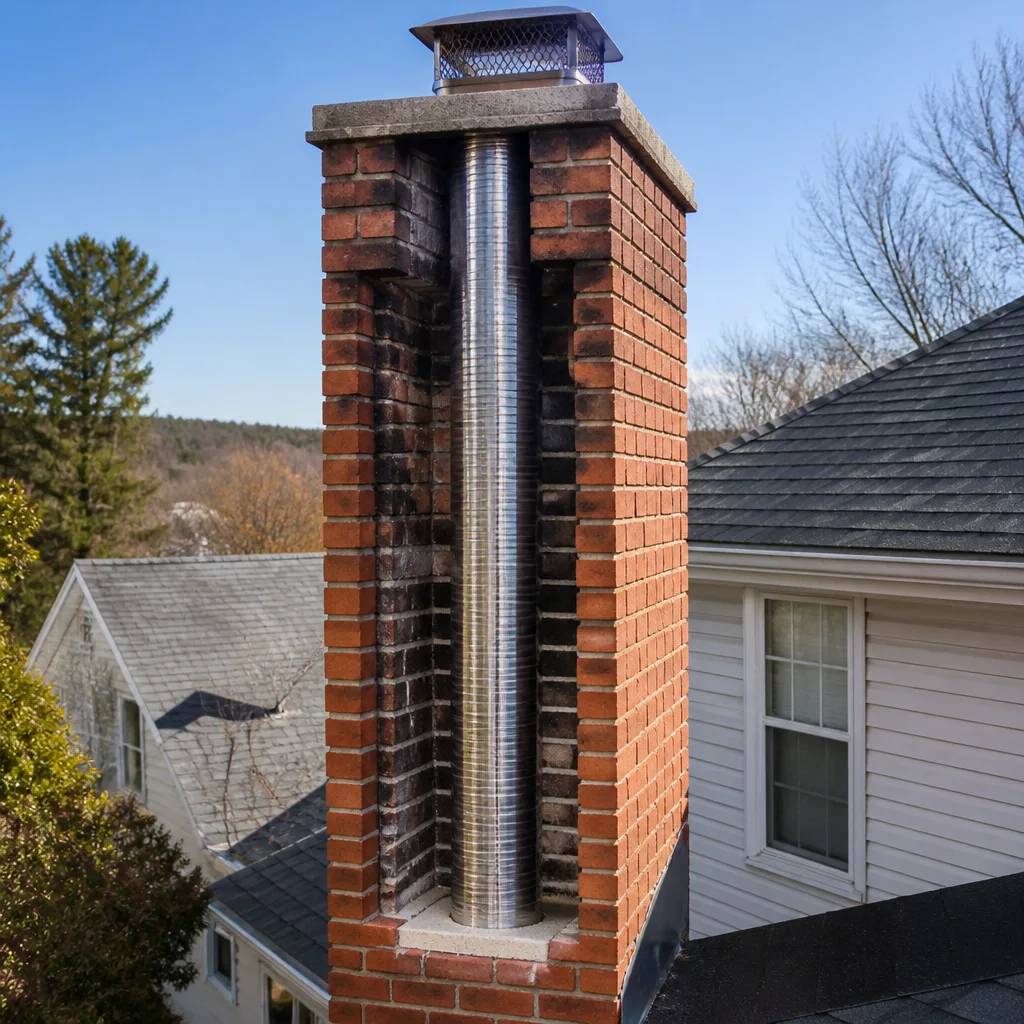 Flue relining
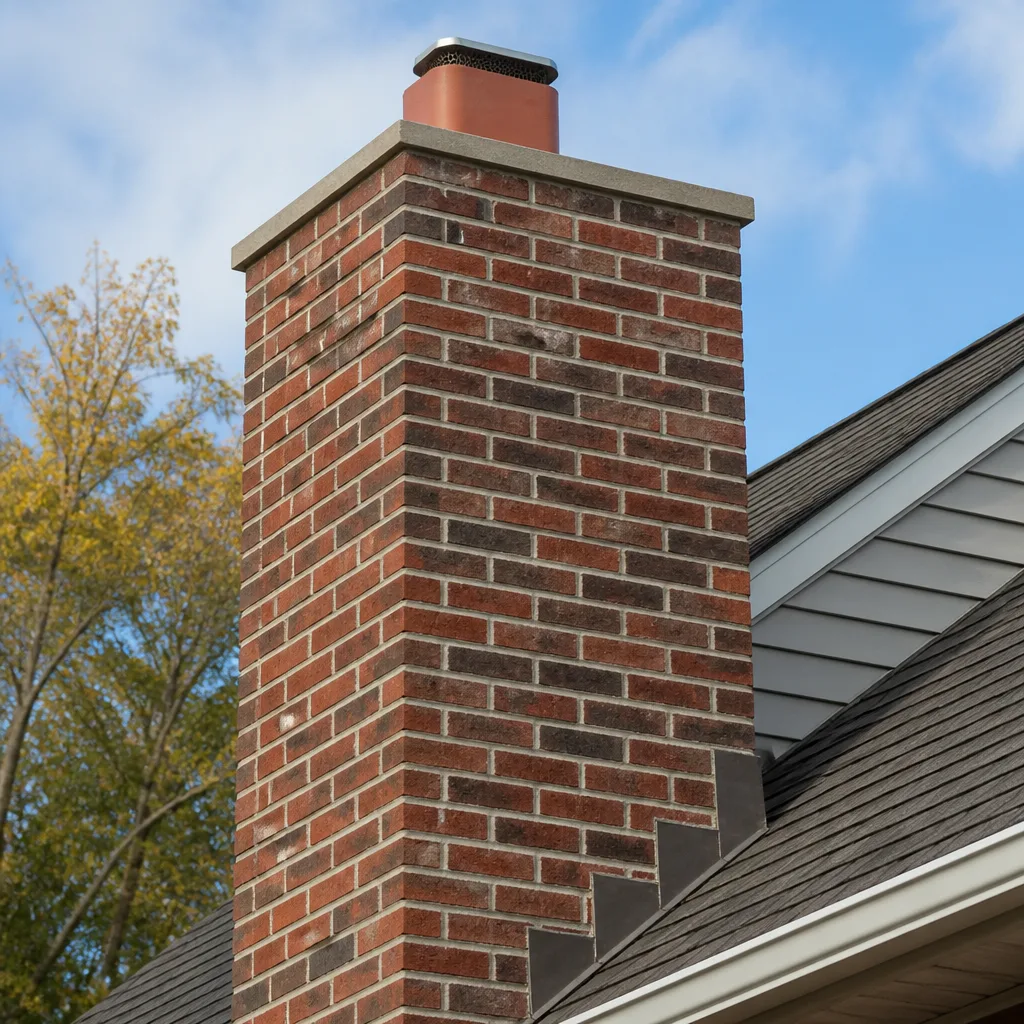 Masonry repair
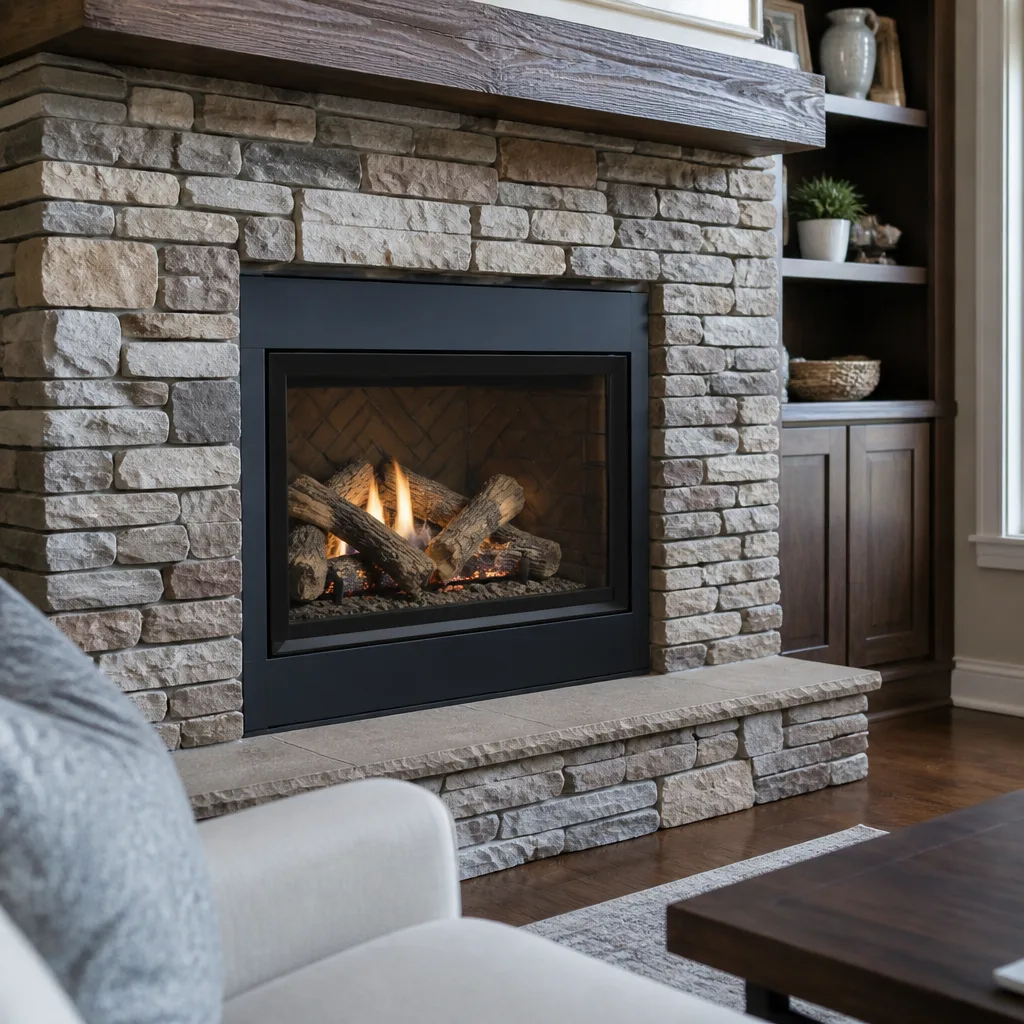 Gas fireplace service
Level 1 sweep and inspection to the NFPA 211 annual standard - flue, crown, cap, and flashing checked and photographed
Chimney sweep logs do not sweep chimneys. They loosen some creosote - which then falls where a brush and vacuum still have to collect it.
Seasonal Chimney Cleaning Care for Adams Farm: Year-Round Homeowner’s Guide
Most homeowners in Adams Farm think about the chimney once a year, on the first cold evening when the fire won’t draw. That timing is backward. The work that keeps a chimney safe happens in the months when you aren’t burning: late summer, when the humid season has finished doing its quiet damage to masonry and flue tiles, and spring, when winter’s freeze-and-thaw cycle leaves its marks on crowns and flashing. Adams Farm’s climate has its own rhythm, and a chimney here ages differently than one in a colder state. This guide maps what actually needs attention in each window, why the order matters, and when a repair can wait.
Quick Answer
The best time to schedule chimney cleaning and inspection in Adams Farm is late summer, ideally August through September, before the heating season starts and after peak humidity has revealed any moisture problems in the masonry. A second, lighter check belongs in spring, focused on flashing, the crown, and any white staining that signals water getting in. Homes that burn wood regularly should get a sweep and inspection every year; gas fireplace owners can often stretch that to a visual check every couple of years, but the crown and cap still deserve a yearly look.
Styles & brands we work with
- Sweep & inspection
- Caps & crowns
- Flue relining
- Masonry repair
- Gas fireplace service
Table of Contents
- Why Chimney Timing Matters More in Adams Farm Than You’d Think
- Late Summer: The Optimal Service Window
- Spring: What a Post-Winter Inspection Should Focus On
- Summer: Protecting Masonry Through the Humid Months
- Why Adams Farm’s Mild Winter Raises Creosote Risk
- Mid-Season Checks for an Active Fireplace
- Water Damage: The Slow Problem Most Homeowners Miss
- A Year-Round Chimney Calendar for Adams Farm Homes
Why Chimney Timing Matters More in Adams Farm Than You’d Think
Adams Farm sits in a part of North Carolina where the summers run hot and sticky and the winters rarely hold a hard freeze for long. That combination is harder on a chimney than people expect. The humid months push moisture into brick, mortar joints, and the clay flue tiles. Then the first cold snap arrives and that trapped moisture expands. Mortar that looked fine in July can be spalling by November, and nobody noticed because no one was up on the roof in between.
The other half of the problem is demand. When the weather finally turns, everyone in the neighborhood wants their chimney looked at in the same two-week stretch. Appointment calendars fill. The homeowners who booked in August get the work done before the fireplace is needed; the ones who waited are deciding between a rushed job and using a fireplace that hasn’t been checked since last year.
There’s a structural reason we encourage an annual look, too. A chimney is a system, and the parts fail in sequence. A cracked crown lets water into the masonry. The masonry holds that water against the flue tiles. The tiles crack, and now the flue is venting into the structure instead of up and out. Each stage is cheaper to fix than the one it causes, and each stage is visible only from the roof or from inside the flue with a camera. That’s why our chimney sweep and inspection visits in Adams Farm pair cleaning with assessment in a single trip.
Our technicians have up to 15 years of experience reading these patterns, and the same three or four things come up again and again in this climate. The good news is that most of them are predictable, and predictable means preventable.
Late Summer: The Optimal Service Window
If you do only one thing for your chimney this year, book it in August or September. Late summer is the sweet spot in Adams Farm for three reasons: the humidity has peaked and done its work, so any moisture damage is now visible; the heating season hasn’t started, so there’s no creosote load from this year’s fires yet; and there’s still time to complete a repair before the first cold snap, instead of discovering a problem on the day you want to light the fireplace.
Here’s what a late-summer visit should cover:
- A full sweep of the flue. Removes last season’s creosote and soot so the inside of the flue can be inspected properly. You can’t assess a liner you can’t see.
- A camera inspection. The flue camera shows cracks, gaps, and heavy glaze on the tiles that a flashlight can’t catch. Ask to see the footage. A sweep who won’t show you is a sweep you shouldn’t hire.
- Crown and cap check. The crown is the concrete cap at the very top of the chimney, and its job is to shed water away from the masonry. A hairline crack in August becomes a soaked chimney by January. The chimney cap on top of that should be secure and properly screened.
- Firebox and damper assessment. The firebox takes the heat, and the damper has to open and close cleanly. These are the parts most likely to need fireplace repair before the season starts.
- A written report with photos. Anything found should come with a picture and a plain explanation of what it needs and what can wait.
The point of booking early isn’t urgency for its own sake. It’s simply that a repair discovered in August has a whole month of comfortable scheduling ahead of it, and a repair discovered in October has two weeks. Call (855) 812-5209 to get on the late-summer calendar. We answer 24/7, with fast dispatch from 7am to 7pm, Sunday through Friday.
Spring: What a Post-Winter Inspection Should Focus On
After a North Carolina winter, the chimney’s exterior has taken the beating, not the interior. The freeze-and-thaw cycle is short here compared to northern states, but it repeats many times across a single winter, and each cycle works a little more water into the masonry. Spring is the time to find what that did.
A spring inspection in Adams Farm should focus on a handful of specific items. These are the ones we look at first on any roof in this climate:
- Flashing integrity. The metal that seals the chimney to the roof is the most common leak point on any home. Spring is when a failed flashing is easiest to spot, because the roof is clear of snow and the evidence of a winter leak is usually a stain on the ceiling or a wet patch in the attic.
- Crown cracking. The crown should shed water, not absorb it. Any crack, spalling, or crumbling edge needs attention before summer humidity gets into it.
- Efflorescence. That chalky white staining on brick is a moisture signal, not a cosmetic issue. It means water is moving through the masonry and pushing mineral salts to the surface. It’s the single best early indicator of a water problem you haven’t noticed yet.
- Mortar joint condition. Look for joints that are recessed, crumbly, or missing. Repointing is straightforward; letting it go until the brick itself spalls is not.
- Cap security. Winter wind can loosen a cap or tear a screen. A missing cap is an open door for rain, birds, and squirrels, and it’s one of the cheapest fixes that prevents the most expensive problems.
A spring visit costs much less than the water damage it prevents. If any of these items look off, a free estimate will tell you what the fix actually involves. The chimney cap & crown work we do in Adams Farm uses Gelco and Famco components, which are built for exactly this kind of waterproofing duty.
Summer: Protecting Masonry Through the Humid Months
Summer is when the chimney looks fine and quietly isn’t. Adams Farm’s hottest, most humid weeks put more water into the masonry than a rainy winter does, because the moisture sits against the surface for weeks at a time and the sun drives it inward rather than off. The work that protects a chimney through this stretch is mostly about keeping water out and keeping animals out.
Three summer tasks matter most:
- Waterproofing the masonry. A breathable masonry waterproofing that lets vapor escape while keeping liquid water out is the correct product. A paint-grade sealer traps moisture inside and makes the problem worse. Ask what’s going on the brick before anyone brushes it on.
- Cap inspection. Summer storms are the ones that dislodge a loose cap. A cap missing a screen is an invitation for birds, squirrels, and raccoons that will build a nest in the flue, and a blocked flue is a carbon monoxide hazard the moment the fireplace is lit.
- Animal exclusion. A properly fitted cap with intact screening is the only reliable way to keep wildlife out. Chimney swifts and squirrels don’t need a large opening.
This is also the season when liner problems are easiest to address, because no one needs the fireplace. If the spring inspection turned up heat-damaged flue tiles, summer is when a DuraFlex liner can go in without any disruption to the heating season. DuraFlex systems are rated for wood, gas, and oil appliances, and getting the liner right now is what makes the whole rest of the system work safely later.
If a crack in the flue has turned out to be surface-level damage rather than a full liner failure, a HeatShield application can often resurface and restore the flue without a demolition rebuild. That’s a significant cost difference, and it’s not a service every sweep offers. We’ll tell you plainly which situation you’re in after we’ve seen it on camera.
Why Adams Farm’s Mild Winter Raises Creosote Risk
This is counterintuitive, so it’s worth stating clearly: a mild winter is harder on a wood-burning chimney than a cold one. Creosote forms when smoke cools before it leaves the flue, and cool smoke deposits faster than hot smoke. In a colder climate, the fire burns hot and sustained because the house needs it. In Adams Farm’s milder winters, homeowners burn shorter, cooler fires, or burn on and off through the day, and each of those cycles lets the flue cool and the smoke condense against the tiles.
The result is that a chimney here can build up Stage 2 creosote (the hard, crusty kind) sooner than the burn volume would suggest. Stage 3 creosote, which is glazed and tarry, is the most dangerous and the hardest to remove. Both of them raise the risk of a chimney fire, and neither is visible from the fireplace. Only a sweep with a camera and a flue brush can see what’s actually in there.
A few practical things follow from that:
- Burn hot when you burn. A small, smoldering fire produces far more creosote per hour than a full fire with good air supply. Dry, seasoned wood helps too.
- Don’t extend the season with a barely-lit fire. A fire that’s just enough to take the chill off is the one that deposits the most creosote.
- Get swept on schedule even in a light-burn year. “We only burned a little” is not a reason to skip. A light year still deposits, especially on the cooler burns.
- Ask about glaze. If the sweep mentions hard or glazed creosote, that’s the moment to plan a proper removal, not to defer it.
If you’d like an honest look at what last winter deposited, book a chimney sweep in Adams Farm before the next season starts. The camera tells the story, and you get to see it.
Mid-Season Checks for an Active Fireplace
Once the fireplace is in regular use, a few quick observations tell you whether something has changed since the fall inspection. None of them require climbing on the roof. All of them are worth acting on.
What to watch for mid-season
- Odor change. If the fireplace starts putting out a sharp, ashy, or acrid smell even when not in use, that’s usually a sign of creosote build-up or a downdraft problem. Odor that wasn’t there in the fall is worth a look.
- Smoke spillback. Smoke puffing into the room when you open the door or light the fire points to a draft issue. It can be as simple as a cold flue, or as serious as a partial blockage or a damaged liner. If it persists past the first few minutes of a fire, get it checked.
- Weak draft. A fire that’s hard to start or that burns unevenly is telling you the flue isn’t drawing properly. A blocked or partially blocked flue is the classic cause, and it’s a carbon monoxide risk.
- Visible smoke in the room. Any smoke that enters the room instead of going up the flue is a stop-and-call situation. Don’t keep burning.
In our experience, the most common mid-season call we get is smoke spillback from a flue that’s partially blocked by a nest or a heavy creosote crust. The fix is usually a sweep and a camera check, not a rebuild, but it has to be diagnosed correctly. If you’re seeing any of these signs, stop using the fireplace and give us a call at (855) 812-5209. We answer 24/7, with fast dispatch from 7am to 7pm, Sunday through Friday.
Water Damage: The Slow Problem Most Homeowners Miss
Water is the most common cause of chimney damage we see in Adams Farm, and it’s the easiest to overlook because it works slowly. The sequence is predictable: a small crack in the crown or a failed flashing lets water in, the masonry holds it, the freeze-and-thaw in winter expands it, and eventually a flue tile cracks or a ceiling stain appears. By that point, the repair is no longer about the crown.
The good news is that water damage is caught early by a few simple look-fors, and the corrective work is usually far less involved than the aftermath. The right cap and crown are the first line of defense, which is why we install Gelco and Famco products rather than a generic cap. These are the industry-standard waterproofing components, not the hardware-store version.
A quick visual check you can do from the ground, once a season, covers most of it:
- Look at the chimney from the yard. Is the crown intact, or are there visible cracks or missing chunks at the top?
- Check the cap. Is it seated, is the screen intact, and is it level?
- Look for white staining on the brick. That chalky residue is efflorescence, and it means moisture is moving through.
- Check the attic and ceiling near the chimney for any stain or damp patch.
- Look at the firebox and the damper. Rust on the damper or a damp smell in the firebox is a sign of water coming down the flue.
If any of these turn up, get an inspection before the next season. A free estimate tells you what the fix involves and what it doesn’t. If a liner needs attention, we’ll show you the camera footage and explain the options, including whether a HeatShield restoration or a full DuraFlex relining is the right call. Most liner damage can be restored without a rebuild, and we’ll tell you when a repair can safely wait.
A Year-Round Chimney Calendar for Adams Farm Homes
Here’s a simple seasonal schedule to work from. It’s built for a wood-burning chimney in this climate; gas fireplace owners can follow the same rhythm with a lighter touch on the sweep and a full check on the cap and crown.
Spring (March-May)
- Inspect the crown, flashing, and cap after winter.
- Look for efflorescence and any ceiling or attic staining.
- Book a camera inspection if anything looks off.
Summer (June-August)
- Waterproof the masonry with a breathable product.
- Confirm animal exclusion and cap security before storm season.
- Handle any liner work now, away from the heating season.
Late Summer (August-September)
- Full sweep and camera inspection, paired in a single visit.
- Firebox, damper, and fireplace repair as needed.
- Get a written report with photos and a clear plan.
Winter (November-February)
- Burn dry, seasoned wood and keep fires hot rather than smoldering.
- Watch for odor changes, smoke spillback, and weak draft.
- Stop burning and call if smoke enters the room.
One company, every part of your chimney system, means the spring inspection, the summer waterproofing, the fall sweep, and any structural repair all come from the same place, with the same set of eyes on the same chimney. No hand-offs. From the firebox to the crown, we handle it.
Common Mistakes to Avoid
- Waiting until the first cold snap. That’s the week every other homeowner in Adams Farm is calling, too. Book in late summer and you get a relaxed schedule and a repair window before the fireplace is needed.
- Skipping the camera. A flashlight check doesn’t reveal a cracked flue tile. If a sweep won’t show you the camera footage, that’s not an inspection.
- Treating a chalky white stain as cosmetic. Efflorescence is a moisture signal. Painting over it traps the problem inside.
- Using a paint-grade sealer on masonry. It traps moisture and accelerates spalling. A breathable waterproofing product is a different thing entirely.
- Burning a smoldering fire to take the chill off. In a mild Adams Farm winter, this is the fastest route to Stage 2 creosote. A hot, full fire with dry wood deposits less.
- Waiting for the smell to go away. A fireplace that starts to smell when it isn’t lit is usually telling you the flue is loaded. Have it checked; a sweep is cheaper than a chimney fire.
- Skipping the roof check because the fire draws fine. A fire drawing well says nothing about the crown and flashing. Water damage almost always starts outside.
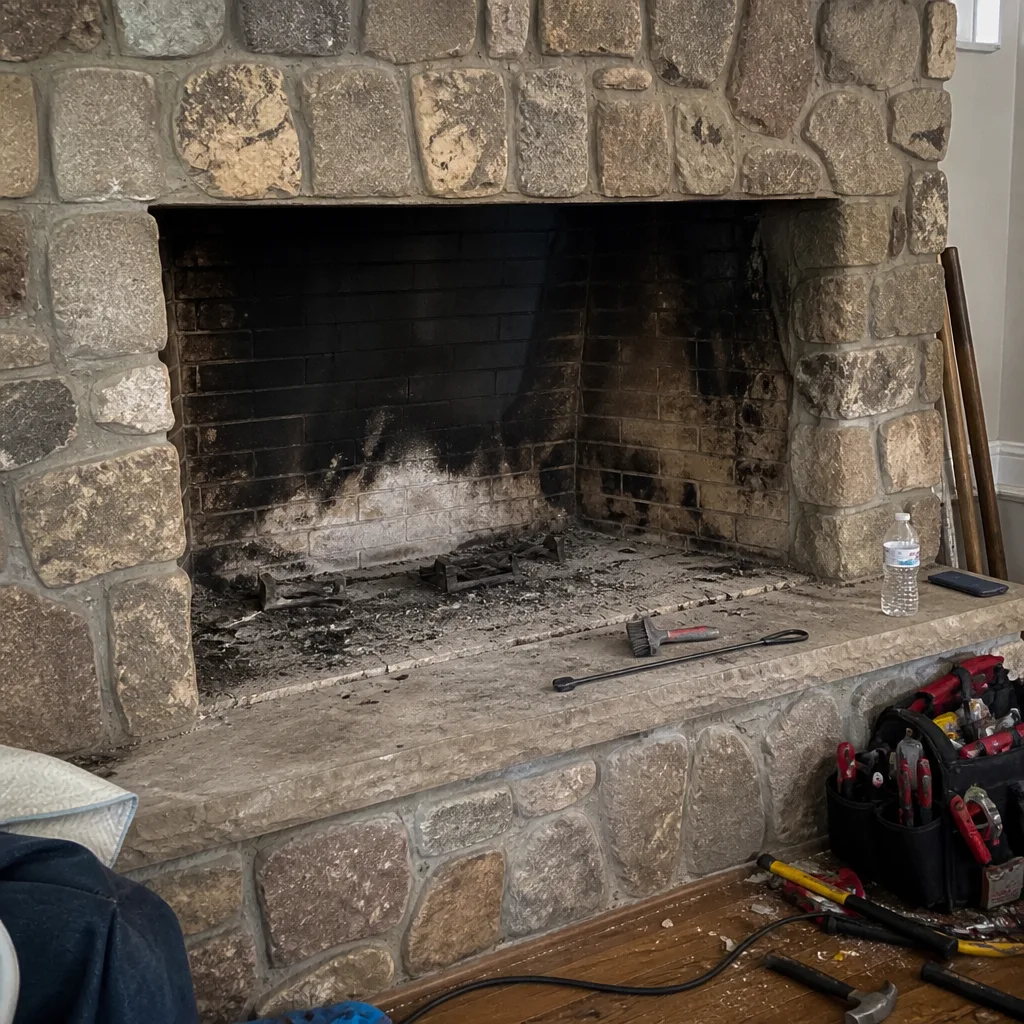
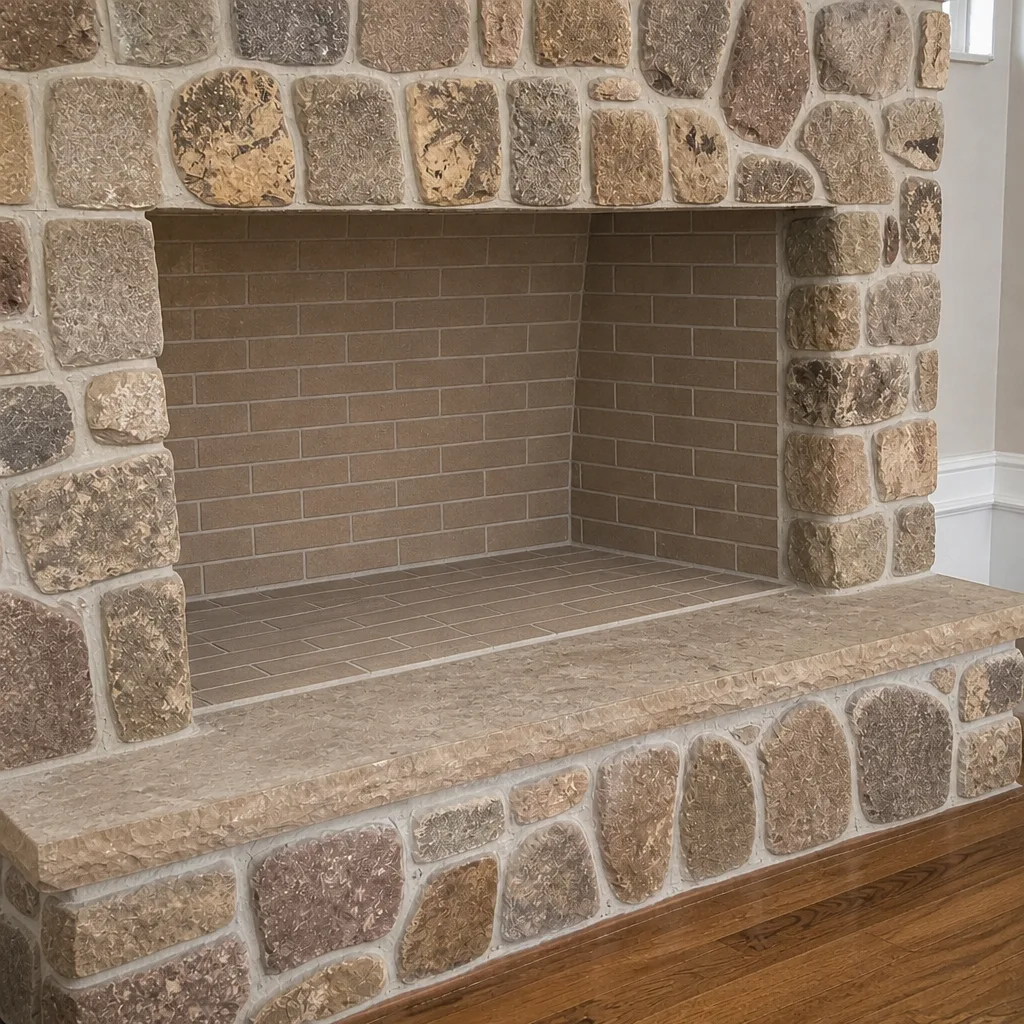
See the difference
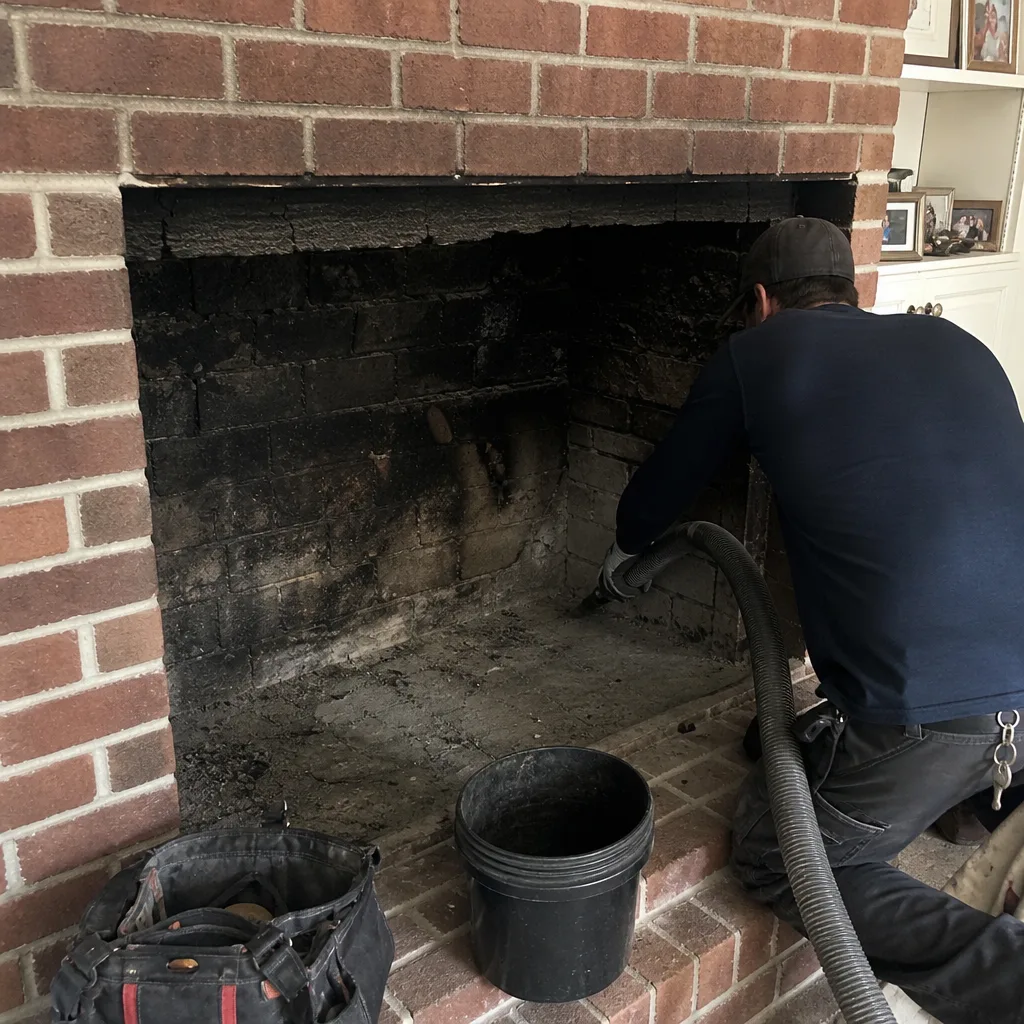 Before
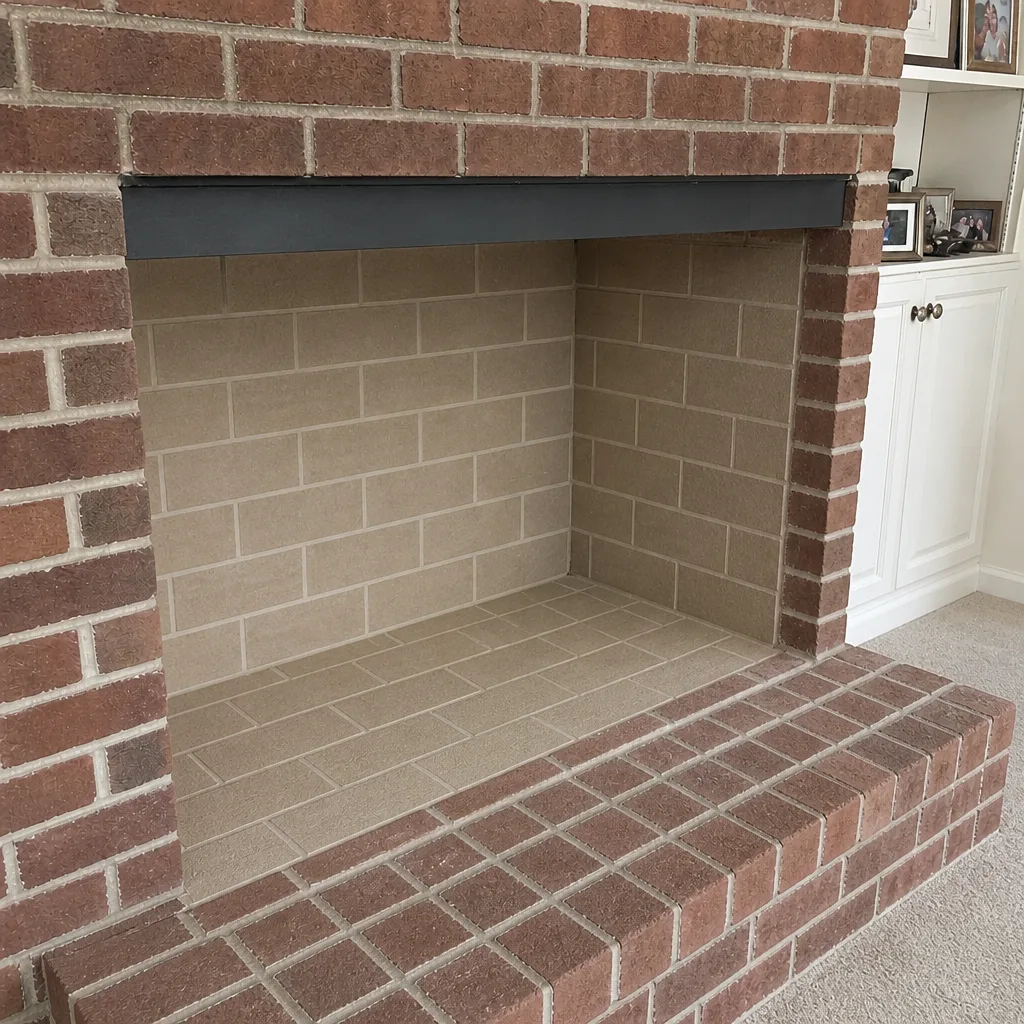 After
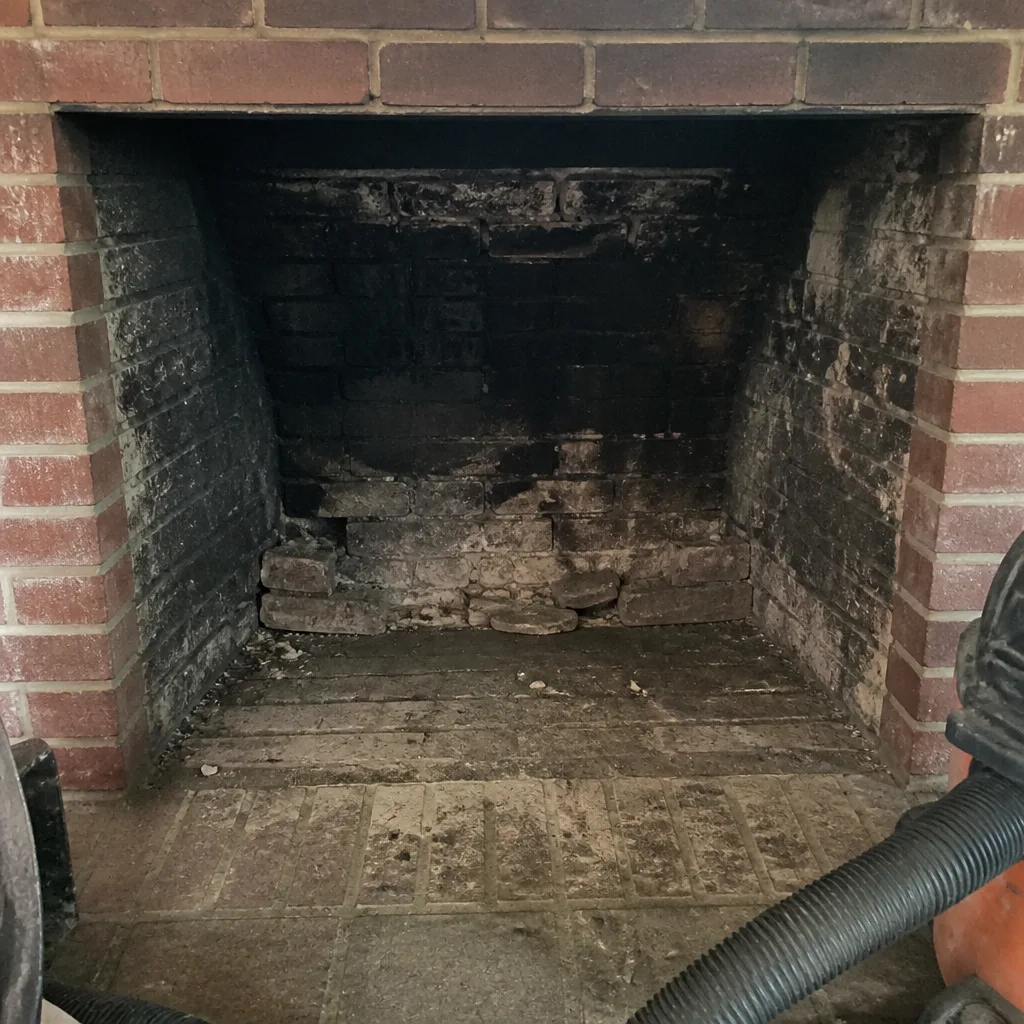 Before
 After
 Before
 After
When to Call a Professional
A chimney sweep visit belongs on the calendar once a year for any wood-burning chimney, but there are specific situations that call for a professional straight away. Call us if you see a persistent smoky smell from the fireplace when it isn’t lit, if smoke enters the room when you open the door, if a fire is hard to start or burns unevenly, if there’s a stain on the ceiling or a damp patch in the attic near the chimney, or if the crown shows visible cracks or the cap is damaged or missing. Any of these are signs that the problem is already underway. Chimney Sweep Adams Farm offers free estimates in Adams Farm: call (855) 812-5209. We answer 24/7, with fast dispatch from 7am to 7pm, Sunday through Friday.
Frequently Asked Questions
Once a year for a wood-burning chimney, and a visual inspection every year even for gas. A mild winter with short, cooler fires can actually build Stage 2 creosote faster than a cold climate with hot fires, so the annual visit matters more here, not less. Call (855) 812-5209 for an exact quote; estimates are free.
Late summer, ideally August through September. The humidity has peaked and revealed any moisture problems, the chimney is free of this year’s creosote, and there’s still time to complete a repair before the heating season begins. A spring check for flashing and crown condition makes a good companion visit. Call (855) 812-5209 to book.
No. A light year still deposits, and the cooler, shorter fires that come with a mild Adams Farm winter deposit more creosote per hour than a hot burn does. “We only burned a little” is the most common reason a flue turns out to have more build-up than expected. Call (855) 812-5209 for a free estimate.
It means moisture is moving through the masonry and pushing mineral salts to the surface. It’s a moisture signal, not a cosmetic issue, and it’s often the first visible sign of a crown or flashing problem. Have it looked at before it reaches the interior.
Yes, and the type does matter. A cap keeps out rain, birds, and squirrels, and an intact screen is the best animal exclusion there is. A poorly fitted cap can let water in rather than keep it out, which is why cap and crown installation is worth getting right the first time. Call (855) 812-5209 for a free estimate.
Often yes. HeatShield resurfacing restores a damaged flue and brings it back to a usable condition when the damage is surface-level, and it’s significantly less expensive than full relining. When the liner is too far gone, a DuraFlex liner is the correct fix. We’ll tell you which situation you’re in on camera, so you can see it for yourself.
The Bottom Line
The chimney in an Adams Farm home needs attention in a rhythm most homeowners don’t expect: late summer for the sweep and inspection, spring for the exterior check, and summer for waterproofing and exclusion. The mildly humid, mostly mild winters here actually raise your creosote risk compared to colder climates, which makes the annual visit more important, not less. Most of the damage we see starts outside and works in, and most of it shows up in the camera before it shows up in the house. Inspections identify repair needs before they become hazards, and the written report with photos makes the next step a decision you can make with confidence. If you’re not sure where you stand, start with a free estimate.
Chimney Sweep Adams Farm offers free estimates in Adams Farm. Call (855) 812-5209. We answer 24/7. Fast dispatch from 7am to 7pm, Sunday through Friday.
Written by the team at Chimney Sweep Adams Farm.