
Last updated November 25, 2026
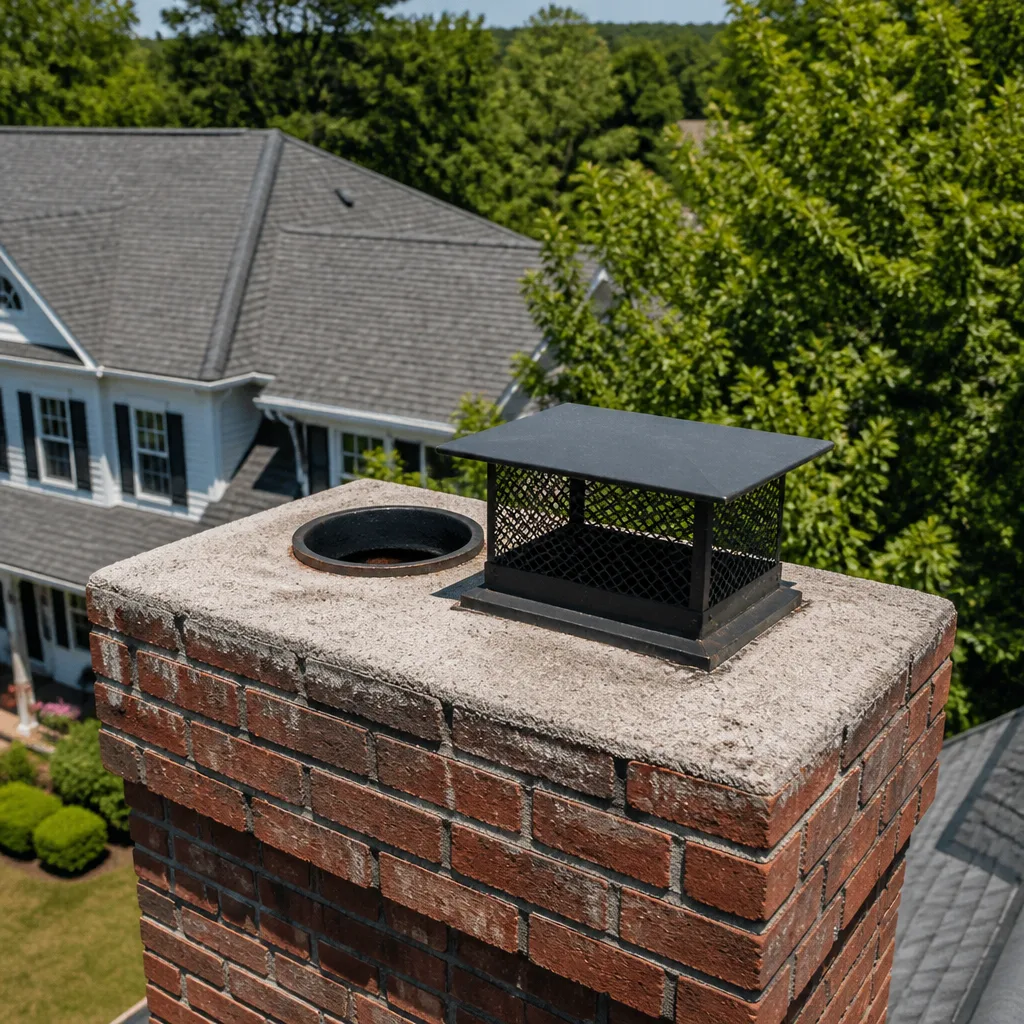 Sweep & inspection
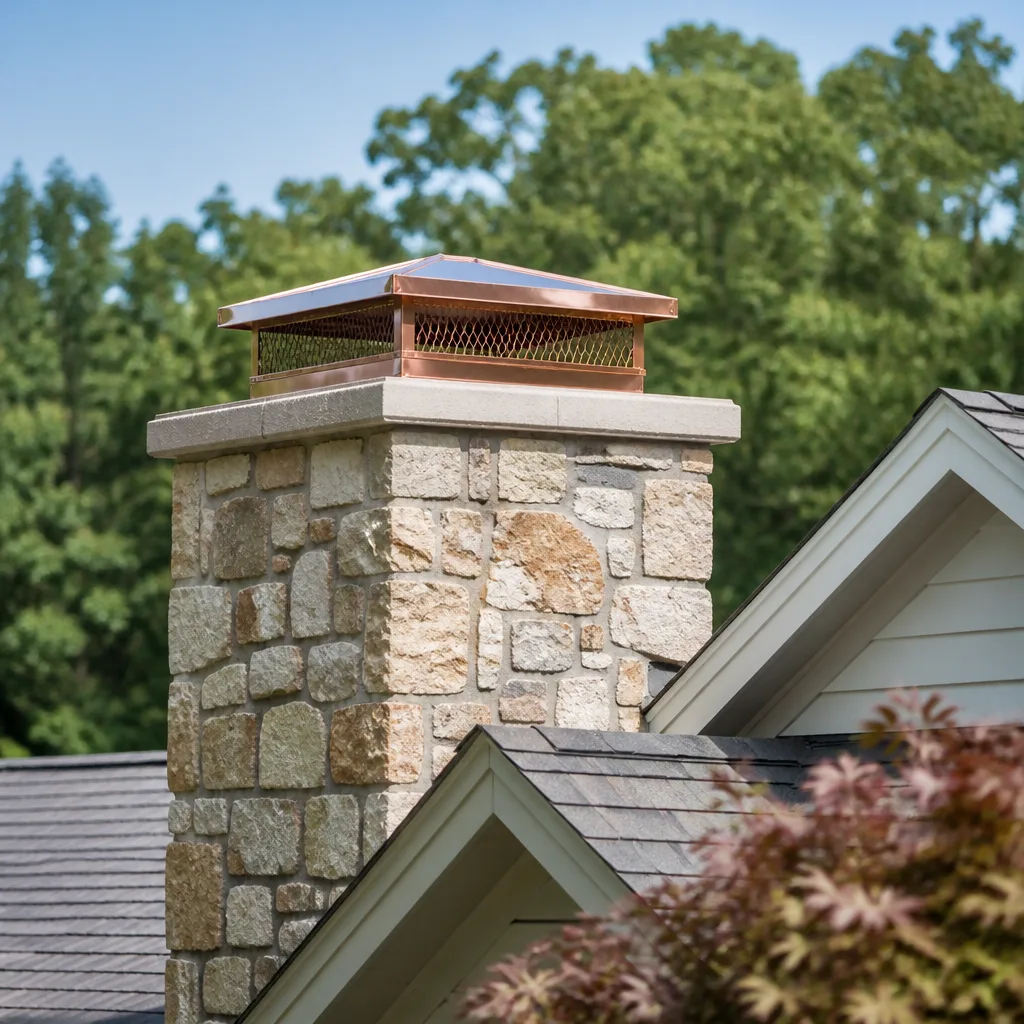 Caps & crowns
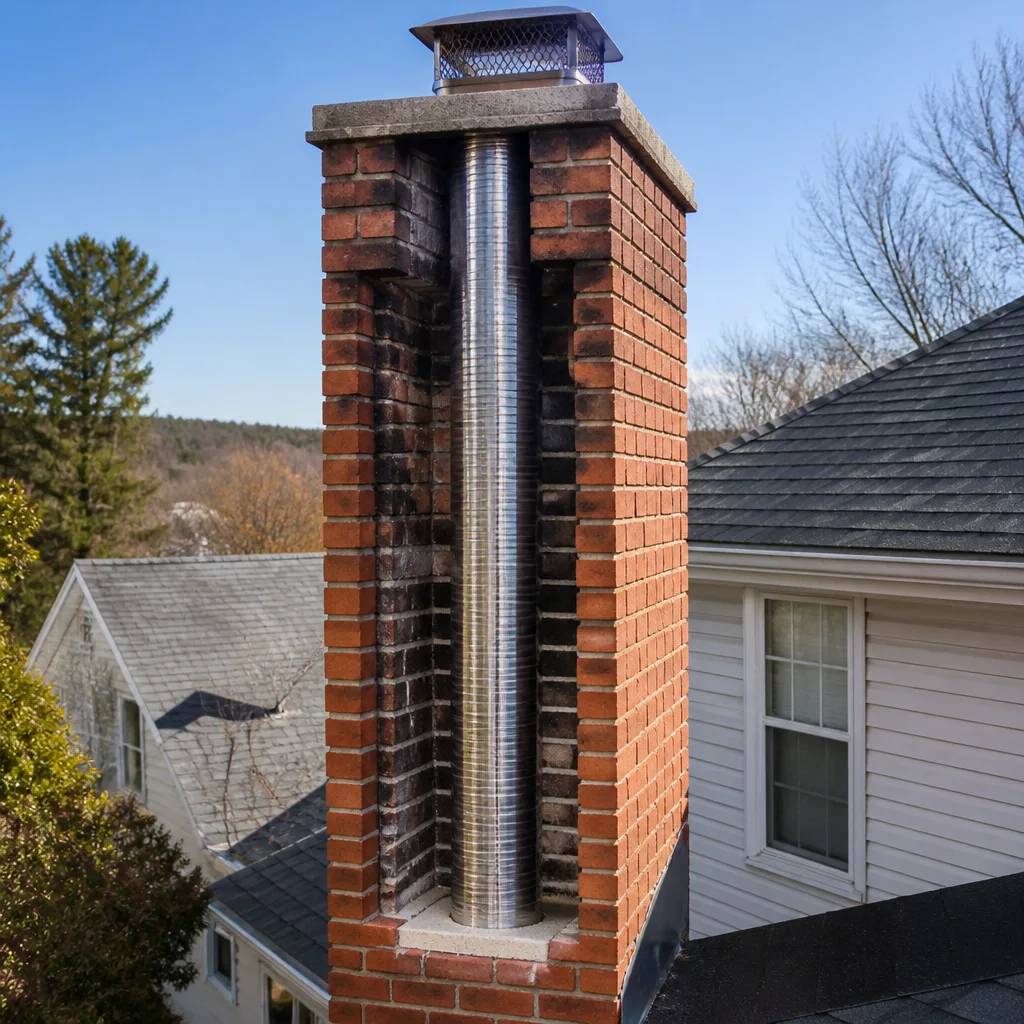 Flue relining
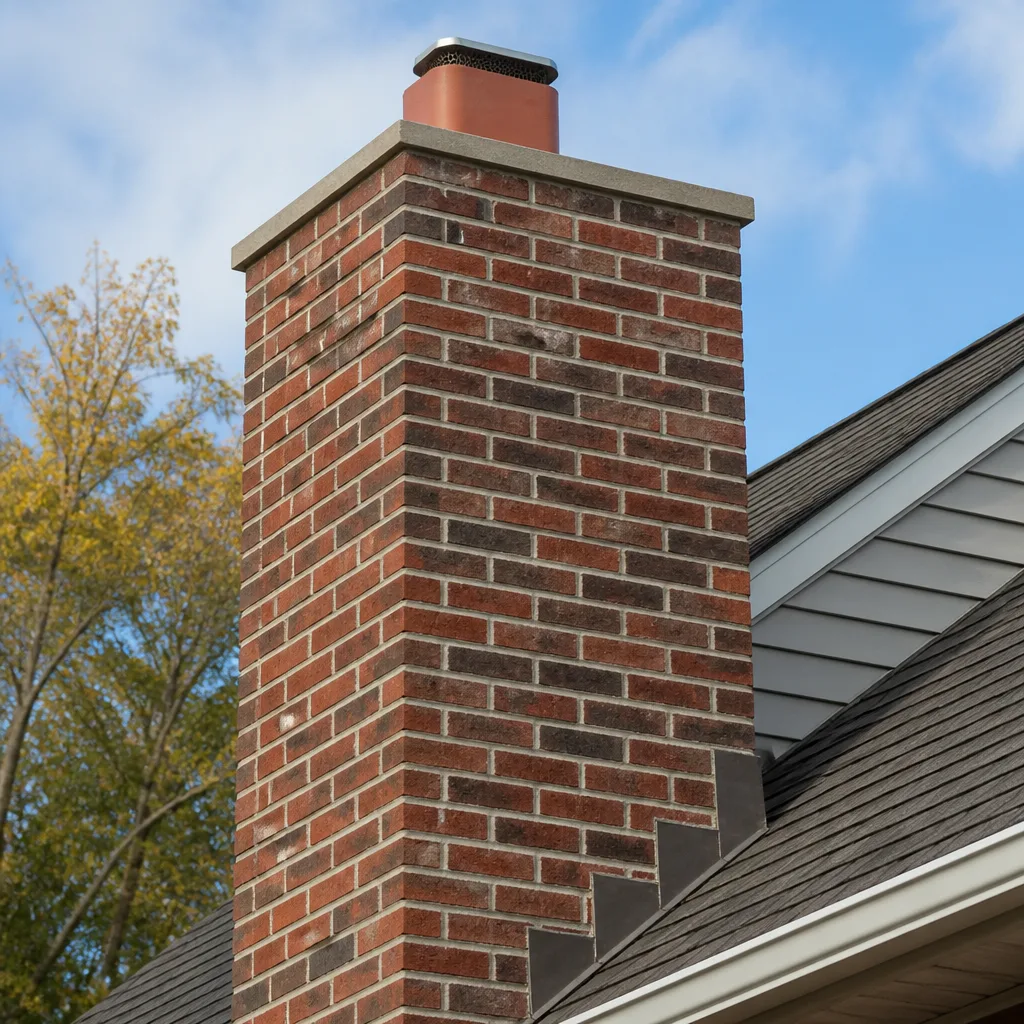 Masonry repair
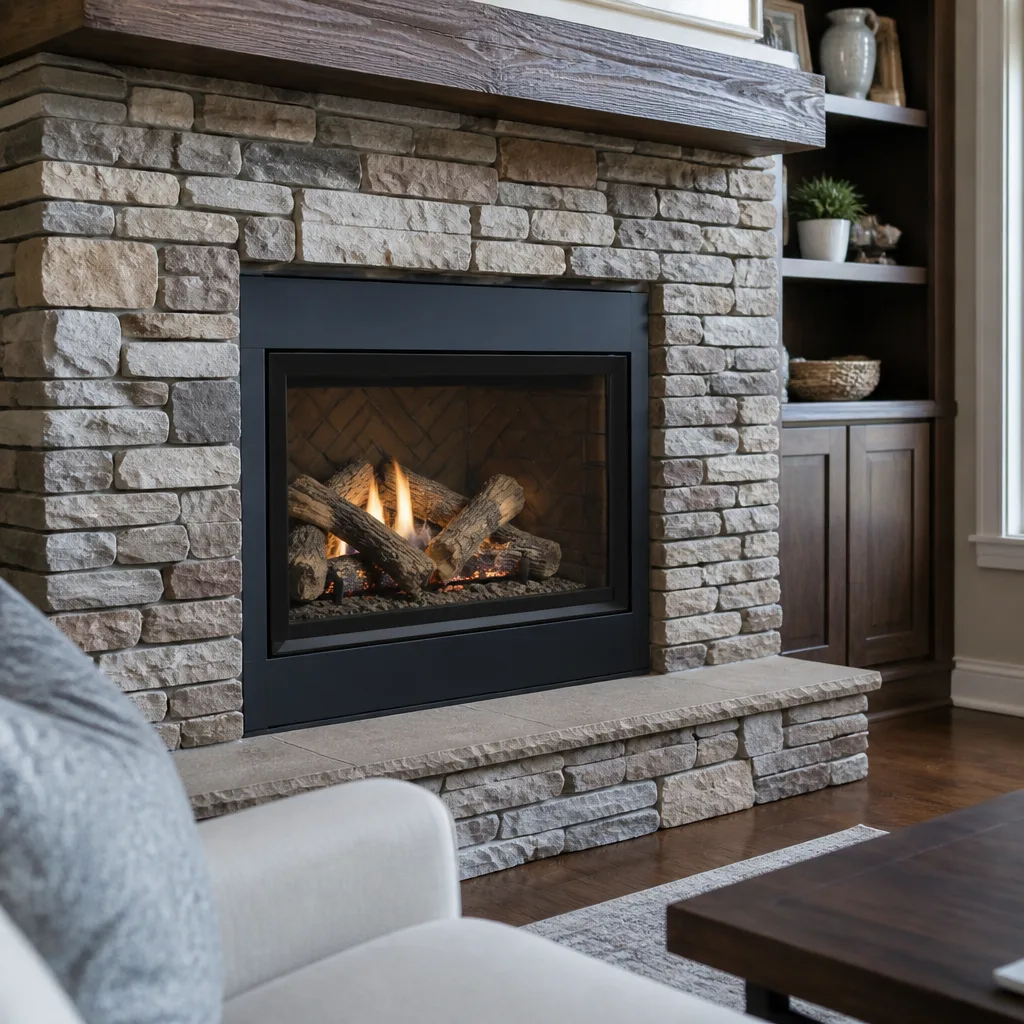 Gas fireplace service
Level 1 sweep and inspection to the NFPA 211 annual standard - flue, crown, cap, and flashing checked and photographed
Chimney sweep logs do not sweep chimneys. They loosen some creosote - which then falls where a brush and vacuum still have to collect it.
DIY vs Professional Chimney Cleaning: The Adams Farm Homeowner’s Decision Guide
You can buy a chimney brush kit at a hardware store and clean your own flue. That part is true, and we won’t pretend otherwise. But the kit doesn’t come with the ability to recognize a Stage 2 creosote glaze, a hairline crack in a flue tile, or a smoke chamber that’s slowly failing behind the damper. Those are the things that actually cause chimney fires, and they’re invisible from the top of a ladder or the mouth of a firebox. This guide lays out what a homeowner brush job really accomplishes, what it misses, what a proper DIY setup costs, and when calling a professional in Adams Farm is the difference between maintenance and a repair bill. You’ll finish knowing which side of that line your chimney sits on.
Quick Answer
DIY chimney cleaning is a reasonable option for a sound, recently inspected chimney with light soot and a straightforward flue. It is not a substitute for a professional cleaning and inspection once creosote has built past a thin dusting, once it’s been more than a season since anyone looked at the liner, or any time you can’t see the full flue with a camera. The brush removes what you can reach; the professional confirms what you can’t see, and that second part is where fire risk actually lives.
Styles & brands we work with
- Sweep & inspection
- Caps & crowns
- Flue relining
- Masonry repair
- Gas fireplace service
Table of Contents
- What DIY Cleaning Actually Accomplishes
- The Diagnostic Gap: What You See vs. What a Camera Sees
- Equipment Cost Reality Check
- When DIY Is a Reasonable Choice
- When DIY Is Genuinely Risky
- Creosote Stages and Why They Matter in Adams Farm
- NC Liability and Insurance: What Happens After a Fire
- How to Build an Inspection Timeline That Works
What DIY Cleaning Actually Accomplishes
A homeowner with a brush and rods can remove loose soot and light, flaky creosote from the flue walls. That’s a real benefit for a chimney that’s been swept recently and burned cleanly. The physical action is straightforward: the brush scrapes, gravity pulls the debris down, and you vacuum what lands in the firebox.
What a brush job does not do is meaningfully address glazed creosote. Once creosote has baked into a hard, shiny layer, a poly brush skates across the surface instead of removing it. Professional rotary cleaning uses powered whips and chains that cut through that glaze, paired with a HEPA-rated vacuum running negative pressure on the firebox so soot doesn’t migrate into the living space. That combination is what gets a flue genuinely clean rather than just less dirty.
There’s also the matter of what happens after the sweep. A professional cleaning in Adams Farm includes an assessment: the technician looks at the damper, the smoke chamber, the firebox seams, the crown, and the cap, then runs a camera up the flue to check for cracks, gaps, and offset tiles. That assessment is half the value of the visit. When you clean your own chimney, you get the cleaning and skip the assessment entirely.
- DIY handles: light soot, flaky creosote, seasonal touch-ups on a chimney that was professionally cleaned recently.
- DIY misses: glazed creosote, cracked or spalling flue tiles, smoke chamber deterioration, crown and cap damage, and any obstruction above the reach of your rods.
The Diagnostic Gap: What You See vs. What a Camera Sees
From the firebox looking up, a homeowner sees a dark rectangle and maybe a patch of daylight. From the roof looking down, you see the top few feet of flue and then blackness. A camera inspection sees the whole run: every tile joint, every offset, every transition, and the smoke chamber shelf where creosote collects and where most chimney fires actually start.
In our experience, the things that get missed on a homeowner sweep fall into predictable categories:
- Hairline cracks in flue tiles. Invisible from either end. A crack lets heat and carbon monoxide reach the surrounding masonry and framing.
- Gaps at tile joints. Mortar joints erode over time, and a gap of a quarter inch is enough to pass hot gases into the chimney structure.
- Spalling tile faces. The inner surface of a clay tile can flake and pit long before the tile fails outright.
- The smoke chamber. This corbelled section above the damper is rough by design, which means it catches creosote. It’s also the most common origin point for a chimney fire.
- Obstructions. Nests, leaves, and fallen tile fragments collect on the smoke shelf and don’t always show up when you look up from the firebox.
- Cap and crown condition. From the ground you can’t see a cracked crown or a rusted cap mesh, and those are the entry points for the water damage that ruins chimneys from the inside.
None of these are things a motivated homeowner is expected to catch. That’s the point. You can’t fix what you can’t see, and you can’t see what the brush doesn’t reveal. If you’d rather understand how a professional inspection works before you decide, our Chimney Sweep Adams Farm page walks through the full visit.
Equipment Cost Reality Check
Here’s where the DIY math gets interesting. A basic brush and a few rods cost very little. A setup that actually cleans safely and keeps soot out of your house costs considerably more. And unlike a professional service, you pay for it once and then store it in the garage, where it takes up space and gets used maybe twice a year.
We’re giving ranges here, not exact figures, because prices vary by brand and where you shop. Treat them as typical estimates, the kind of numbers a homeowner would see researching this themselves:
- Brush and rod kit: modest cost, but a single-size brush won’t fit every flue, and flue sizes vary.
- HEPA-rated vacuum suitable for fine soot: a significant investment. A shop vac without HEPA filtration will blow soot back into the room.
- Drop cloths and containment plastic: inexpensive individually, but you need enough to seal a firebox opening and cover a hearth and floor.
- PPE: respirator rated for fine particulates, goggles, gloves, and coveralls. Creosote and soot are not things to breathe or wear home.
- Roof access gear: ladder stabilizer, harness, and the willingness to work at height. This is where the real cost and risk sit.
A professional cleaning comes with all of that equipment, the trained hands to run it, a camera inspection, and a photo record of what was found, for a one-time fee per visit. The typical range for a standard chimney sweep in this part of North Carolina falls somewhere between the cost of a decent HEPA vacuum and the cost of that vacuum plus the rest of the kit. When you frame it that way, the case for DIY narrows to homeowners who already own most of the gear or who clean very frequently on a chimney that stays in good shape.
If cost is the deciding factor, get a written estimate before you buy anything. It’s free, and it gives you a baseline to compare against. Call chimney sweep services and ask what a visit includes: cleaning, camera inspection, and a written report should all be in the price.
When DIY Is a Reasonable Choice
There are honest situations where cleaning your own chimney makes sense, and we’d rather say so than pretend every homeowner needs us every year. DIY is a defensible option when all of the following are true:
- The chimney was professionally inspected within the last year and the liner was confirmed sound.
- You burn dry, seasoned wood and the flue shows only light soot and flaky creosote, no glaze.
- You have safe roof access or can clean from the firebox with the right rods, and you’re comfortable at height.
- You own proper PPE and a HEPA vacuum, so the job doesn’t contaminate your living space.
- You know your flue dimensions and have the correct brush size for that flue.
- You can see the full flue or you’re willing to accept that you may be missing something the camera would catch.
For a careful homeowner with a newer chimney, a recently inspected flue, and good equipment, an occasional DIY sweep between professional visits is not reckless. It’s the equivalent of changing your own oil between dealer services. The key word is “between,” not “instead of.”
When DIY Is Genuinely Risky
The calculus flips hard in these situations. If any of them describe your chimney, put the brush down and call a professional.
- You haven’t had a professional inspection in over a year. You don’t know the liner’s condition, and cleaning without that knowledge is guesswork.
- You see or suspect glazed creosote. A shiny, tar-like coating on the flue walls means a brush will not remove it, and it’s the fuel for the most severe chimney fires.
- The chimney is older or the liner type is unknown. Clay tile, older metal liners, and unlined chimneys behave differently and often need camera inspection before anyone touches them.
- You’ve had a chimney fire, even a small one. Even a brief fire can crack tiles and warp liners. That needs professional assessment, not a sweep.
- Your roof is steep, high, or the chimney is hard to reach. Falls are the most common serious injury in this work. No sweep cost justifies that risk.
- You’ve noticed smoke spilling into the room, a strong creosote smell, or a damper that won’t operate. Those are symptoms of a problem cleaning won’t fix.
If your chimney falls into any of these categories, the first visit should be an inspection rather than a cleaning. Cleaning and assessment in a single visit is the way we prefer to work, because the inspection tells us whether the cleaning was the right call in the first place.
Creosote Stages and Why They Matter in Adams Farm
Creosote forms in three stages, and the stage determines what can actually remove it. This is the single most useful thing a homeowner can understand about their own chimney.
- Stage 1: soot and flaky creosote. A brush removes this readily. DIY can handle it if the rest of the chimney is sound.
- Stage 2: hardened, crusty creosote. A brush removes some of it but not reliably. Rotary cleaning is needed.
- Stage 3: glazed, tar-like creosote. The most flammable stage. A poly brush skates over it. Rotary whips and chains, sometimes combined with chemical treatment, are required, and in severe cases the liner itself needs attention.
The Adams Farm climate plays a role here. Our winters run cold enough for long, hot burns, but they’re also mild enough that many homeowners burn intermittently, damp the fire down to stretch a load of wood, and let the flue run cool between burns. Cool flue temperatures and smoldering fires are the recipe for faster creosote buildup. That pattern is common here, and it’s why we see Stage 2 creosote more often than the burn habits would suggest.
If you’ve been burning damp wood or damping the fire regularly, your creosote is likely further along than you’d guess from the firebox view. That’s a case for professional rotary cleaning and a camera check, not a brush and a Saturday afternoon. A professional-grade approach also matters when the liner needs attention: materials like HeatShield let a damaged flue be resurfaced and restored rather than rebuilt, and DuraFlex liner systems handle proper relining for wood, gas, and oil appliances. Most basic sweep-only outfits can’t do either.
NC Liability and Insurance: What Happens After a Fire
This is the part nobody thinks about until it matters, and it’s worth stating plainly. Homeowners insurance policies generally expect that a solid-fuel appliance, including a fireplace and chimney, is maintained. If a chimney fire damages your home and your insurer asks for records of maintenance, “I clean it myself sometimes” is a hard position to be in.
We’re not telling you what your policy says; that’s a conversation for your agent. What we can tell you is the pattern: claims investigators look for evidence of routine maintenance, and a documented inspection and cleaning record is exactly that evidence. A professional sweep and inspection that produces a written report and photos creates a record. A DIY cleaning leaves no record at all.
There’s also the question of what a fire does even when insurance pays. Damage from a chimney fire often extends beyond the flue into framing, and the repair can involve masonry, carpentry, and liner replacement. That’s before you count the time out of your home. The whole reason to get a professional inspection on record is to catch the conditions that lead to that scenario before they do.
For an Adams Farm homeowner specifically, the practical takeaway is that a yearly professional inspection is cheap insurance on the insurance question. It gives you documentation, it gives you a camera record of the liner’s condition year over year, and it gives you an early read on the things a brush can’t see.
How to Build an Inspection Timeline That Works
The timing question comes up in every conversation about chimney maintenance: how often, and when in the year. The general guidance is annual inspection and cleaning as needed, but what that looks like in practice depends on how and how much you burn. Here’s a timeline that works for most Adams Farm households.
- Late summer or early fall, before burning season. Get the inspection and cleaning done before the first fire of the year, so you know the chimney is ready. This is also when crown and cap issues are easiest to spot and fix before weather sets in.
- After any chimney fire, any event, or a new-to-you home. Always inspect, regardless of the calendar.
- Mid-season check if you burn heavily. A homeowner can look up from the firebox and check for obvious soot, but the camera check belongs to the professional.
- Yearly inspection regardless of how little you burn. A gas fireplace still needs its venting checked even though there’s no creosote to speak of.
Two pieces of the system do a lot of quiet work here. A properly fitted chimney cap & crown keeps water, animals, and debris out of the flue year-round, which is the leading cause of the damage we find on inspections. And when the liner shows wear, HeatShield restoration can often address it without a full rebuild. Both are part of the same visit, which is the advantage of working with one company across the whole system rather than calling a sweep, a roofer, and a mason separately.
Common Mistakes to Avoid
- Cleaning without inspecting. Sweeping a flue you haven’t examined can hide a problem rather than reveal it. Always pair a cleaning with a camera check, even if you’re doing the sweep yourself.
- Using the wrong brush size. An oversized brush can crack flue tiles; an undersized one skips the walls entirely. Match the brush to the measured flue, not the label’s best guess.
- Cleaning with a shop vac that isn’t HEPA-rated. Fine soot passes straight through standard filters and ends up in your living room. It’s a health issue and it’s a mess you’ll be cleaning for weeks.
- Burning unseasoned or damp wood. In Adams Farm’s burn pattern, wet wood cools the flue and accelerates creosote. Season your wood properly and store it covered.
- Ignoring the cap and crown. Water damage from a failed crown or missing cap is the most common cause of the chimney repairs we see. It’s an easy fix before it becomes an interior one.
- Assuming a gas fireplace needs no attention. Gas appliances vent too, and their liners and terminations need the same annual check. There’s just no creosote to sweep.
- Treating a professional sweep as one-time. Chimneys change with use and weather. A single inspection tells you the condition that day, not the condition next season.
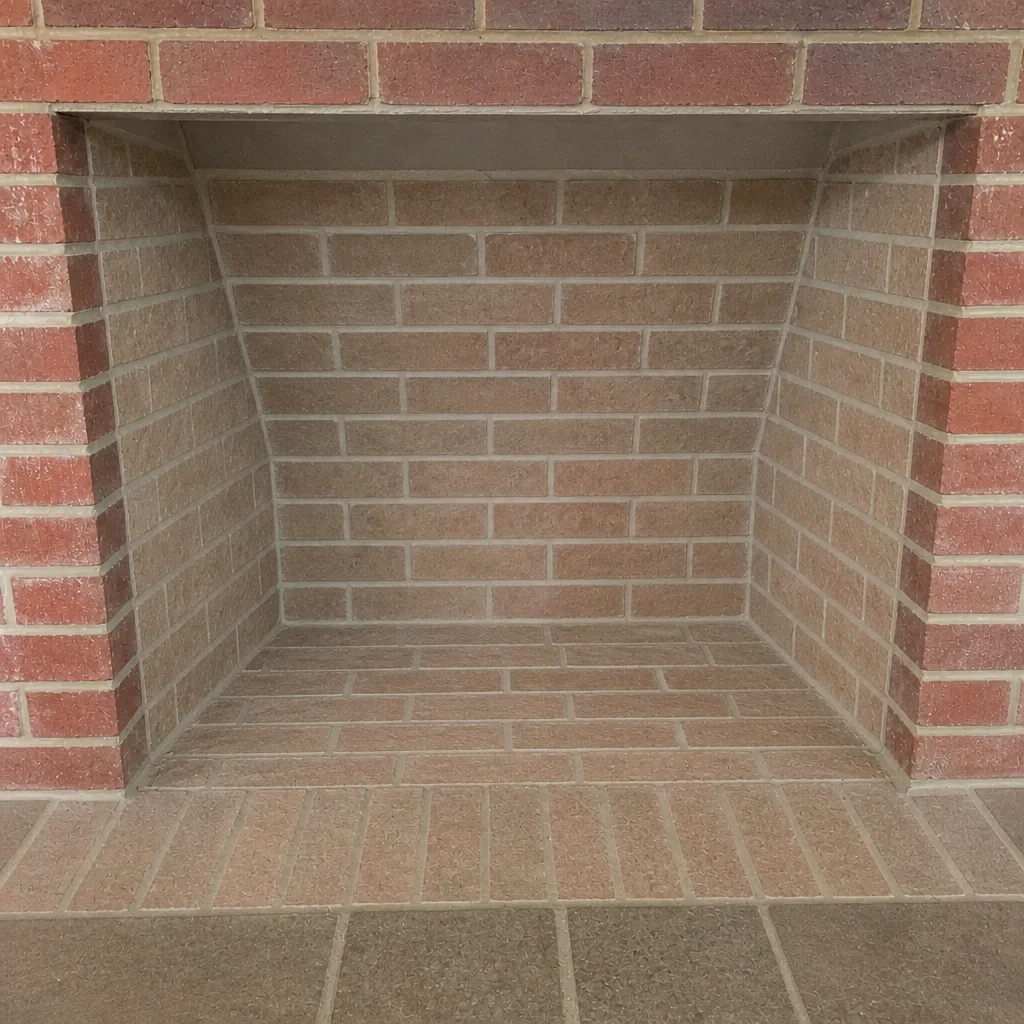
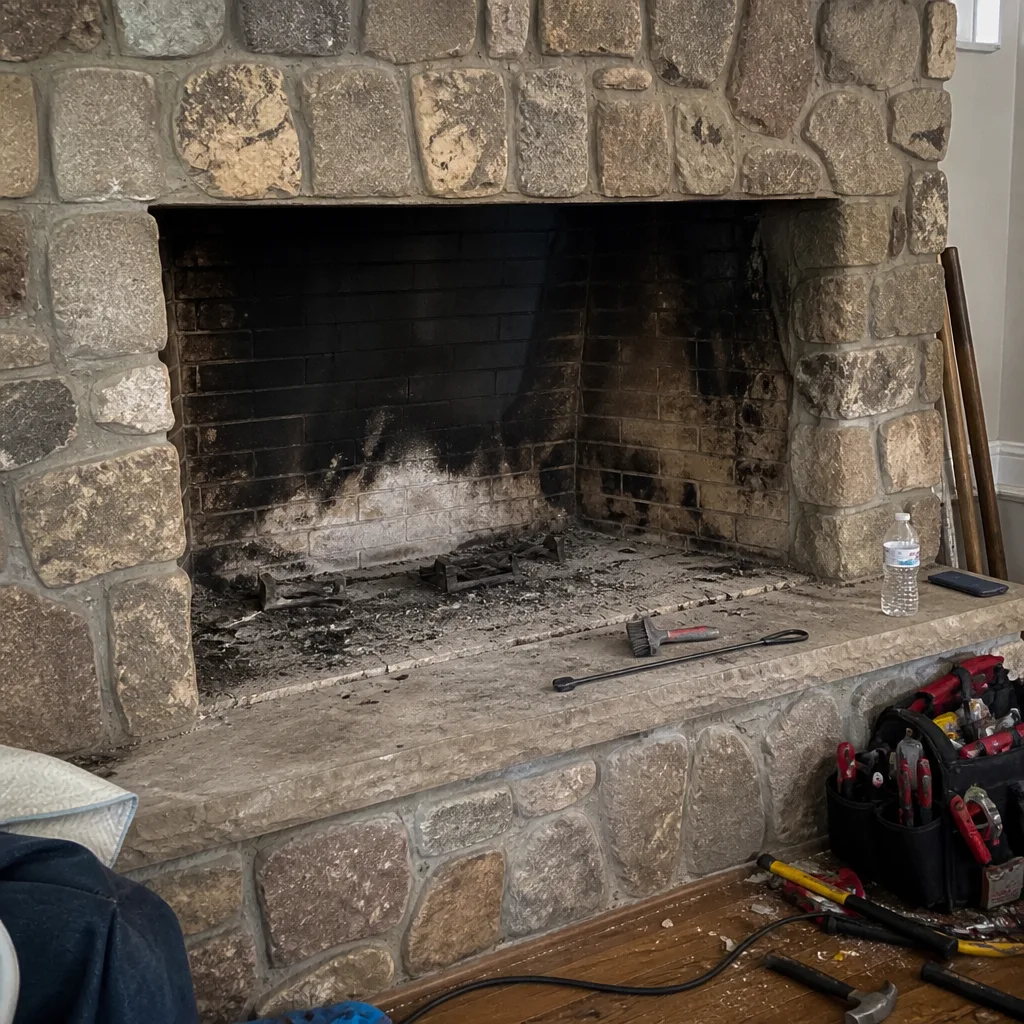
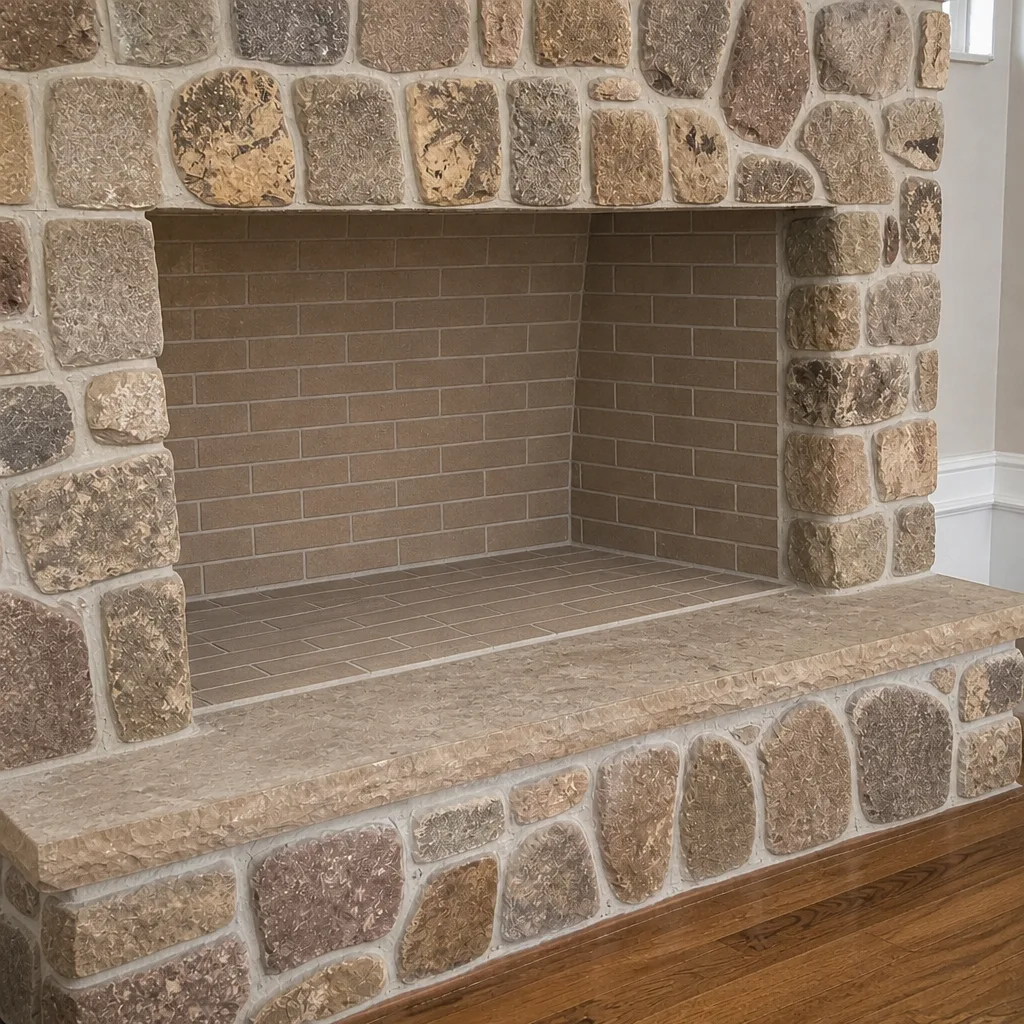
See the difference
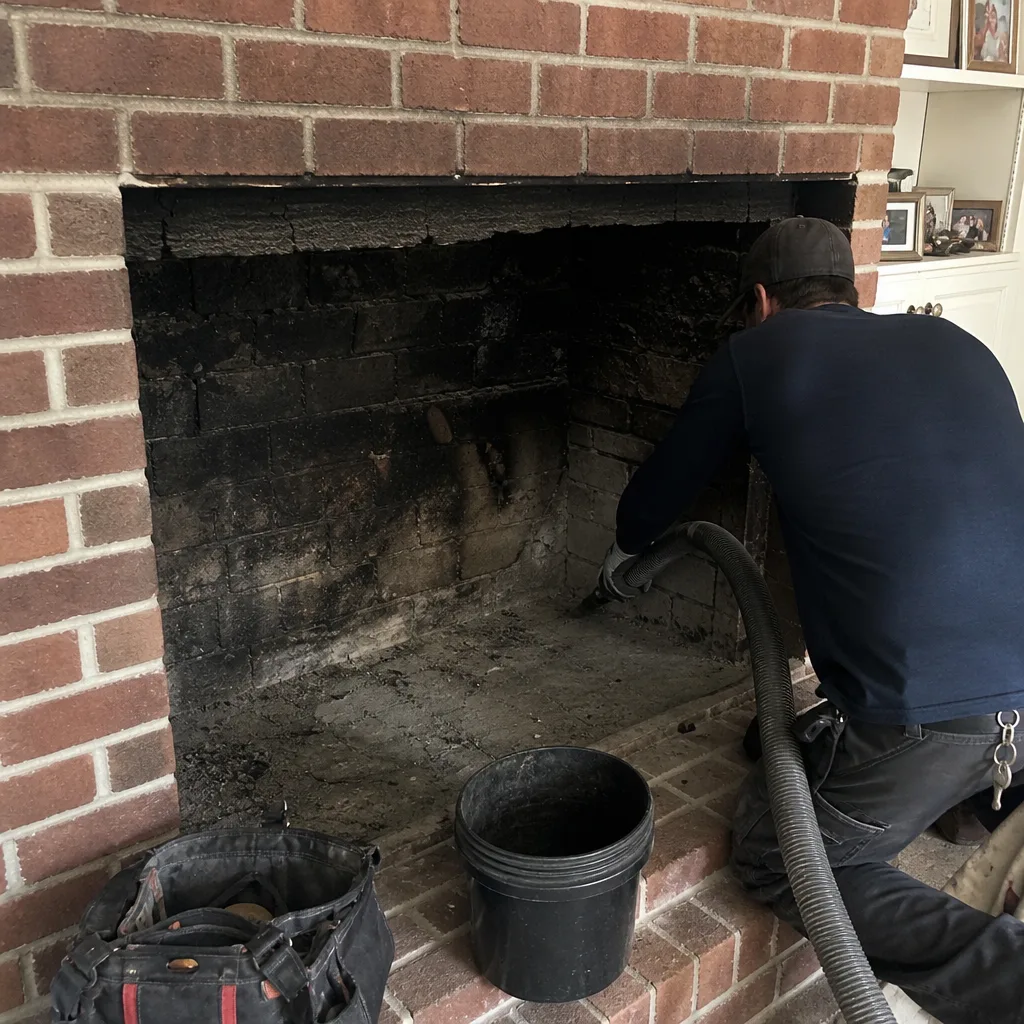 Before
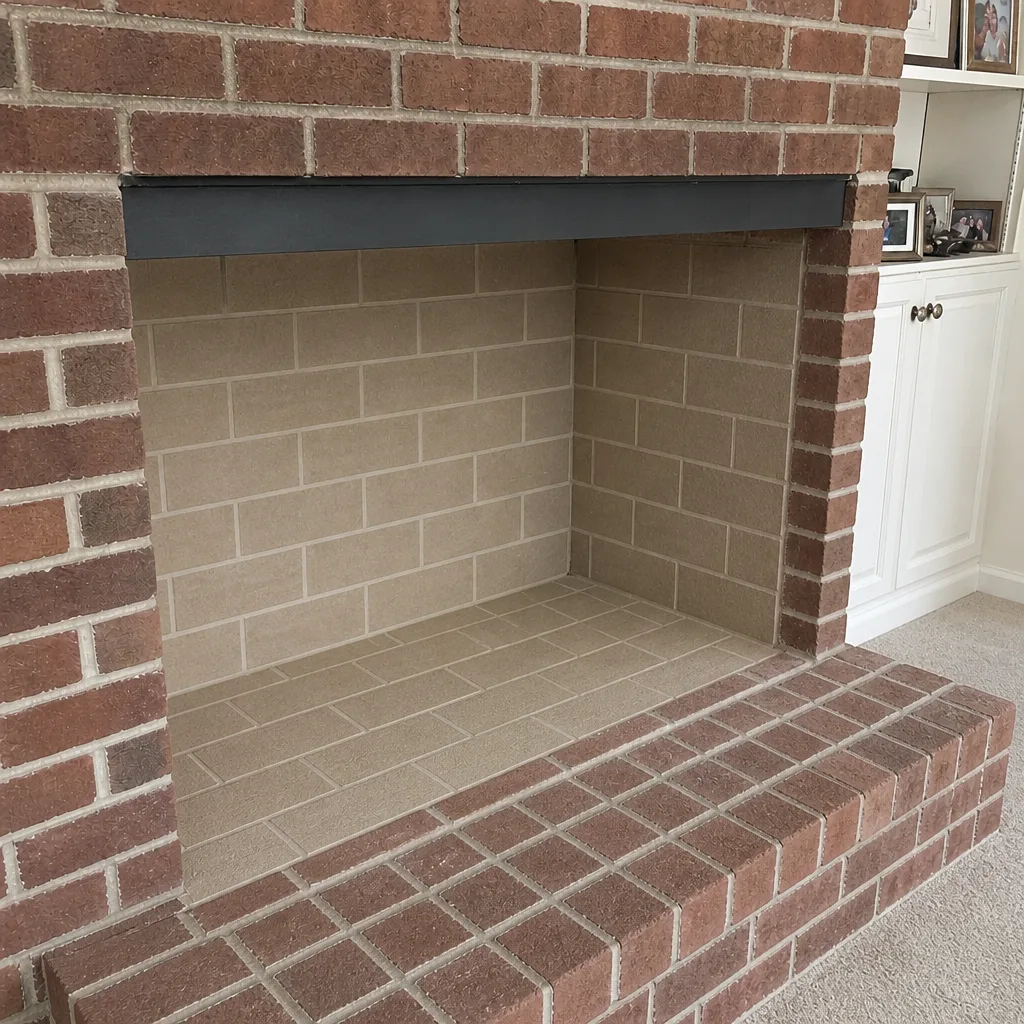 After
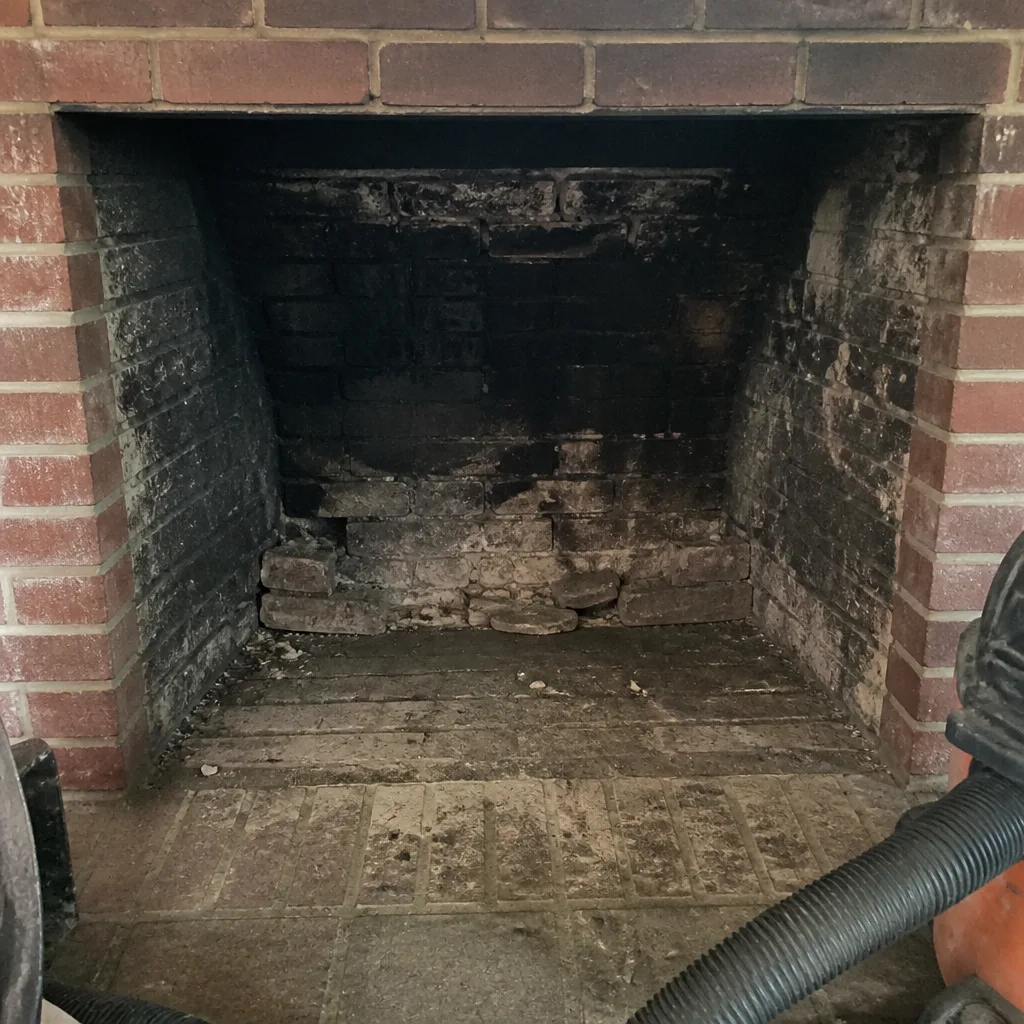 Before
 After
 Before
 After
When to Call a Professional
Call a professional when any of these are true: you haven’t had an inspection in over a year; you see glazed or crusty creosote; the chimney is older or the liner type is unknown; you’ve had any chimney fire; your roof access is unsafe; or you want a documented record for insurance. Call before you burn if you’re not sure, and call if you’ve noticed smoke spillage, a persistent creosote smell, or a damper that won’t operate. Chimney Sweep Adams Farm offers free estimates in Adams Farm. We’ll tell you what we find and what it actually needs, with camera evidence you can see for yourself. Call (855) 812-5209. We answer 24/7. Fast dispatch from 7am to 7pm, Sunday through Friday.
Frequently Asked Questions
You can clean your own chimney, but you shouldn’t skip the professional inspection. The cleaning is the visible half of the job; the inspection is where cracked tiles, glazed creosote, and smoke chamber problems get caught. A DIY sweep on a recently inspected chimney is a reasonable middle ground, but replacing professional inspection altogether leaves the risky half unchecked.
Most wood-burning chimneys need inspection annually and cleaning when the buildup calls for it, which for many households means once a year. Heavier burners, damp wood, and smoldering fires push that toward more frequent cleanings. Gas fireplaces still need annual inspection even though there’s no creosote to remove.
A brush and rod kit alone is cheap, but a safe DIY setup includes a HEPA-rated vacuum, drop cloths, a proper-size brush set, and PPE, which adds up quickly. The total usually lands in the same range as a professional cleaning that includes a camera inspection and a written report. The real difference isn’t the cost, it’s the absence of professional diagnosis.
No, a brush won’t remove glazed creosote. That shiny, tar-like coating is Stage 3 creosote, and a poly brush slides over it. It needs professional rotary cleaning, and in severe cases the liner needs assessment or restoration. Don’t burn again until a professional has looked at it.
Insurers generally expect regular maintenance, and a claim investigation will look for proof of it. A documented professional inspection and cleaning record is your best evidence that the chimney was maintained. We can’t speak to your specific policy, but the record itself is worth having. Call your agent to confirm what your policy requires.
Stop and call a professional before you burn again. A dislodged tile, a new crack, or a chunk of creosote that won’t come loose all point to a problem a brush can’t fix. That’s exactly the situation where an inspection pays for itself. Call (855) 812-5209 for an estimate and we’ll tell you what we find.
The Bottom Line
DIY chimney cleaning is a real option for a careful homeowner with a recently inspected, sound chimney and light soot. It is not a replacement for the annual inspection that catches glazed creosote, cracked tiles, and smoke chamber problems. The brush removes what you can reach; the professional confirms what you can’t see. In Adams Farm, where cool burning and intermittent fires push creosote along faster than homeowners expect, that camera check matters. If your last inspection is more than a year old, start there. Call (855) 812-5209 for a free estimate. We’ll tell you what we find and what it actually needs, no pressure, no guesswork.
Written by the team at Chimney Sweep Adams Farm.