
Last updated November 25, 2026
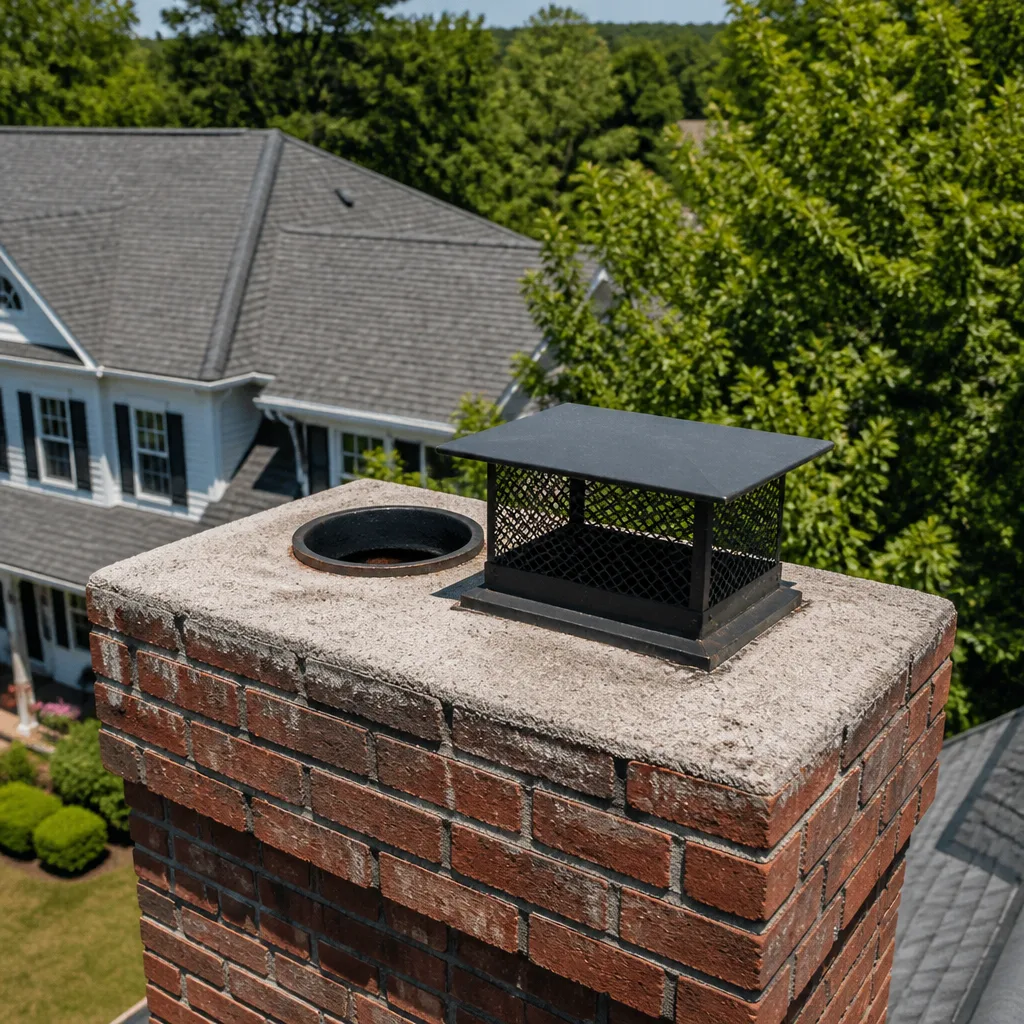 Sweep & inspection
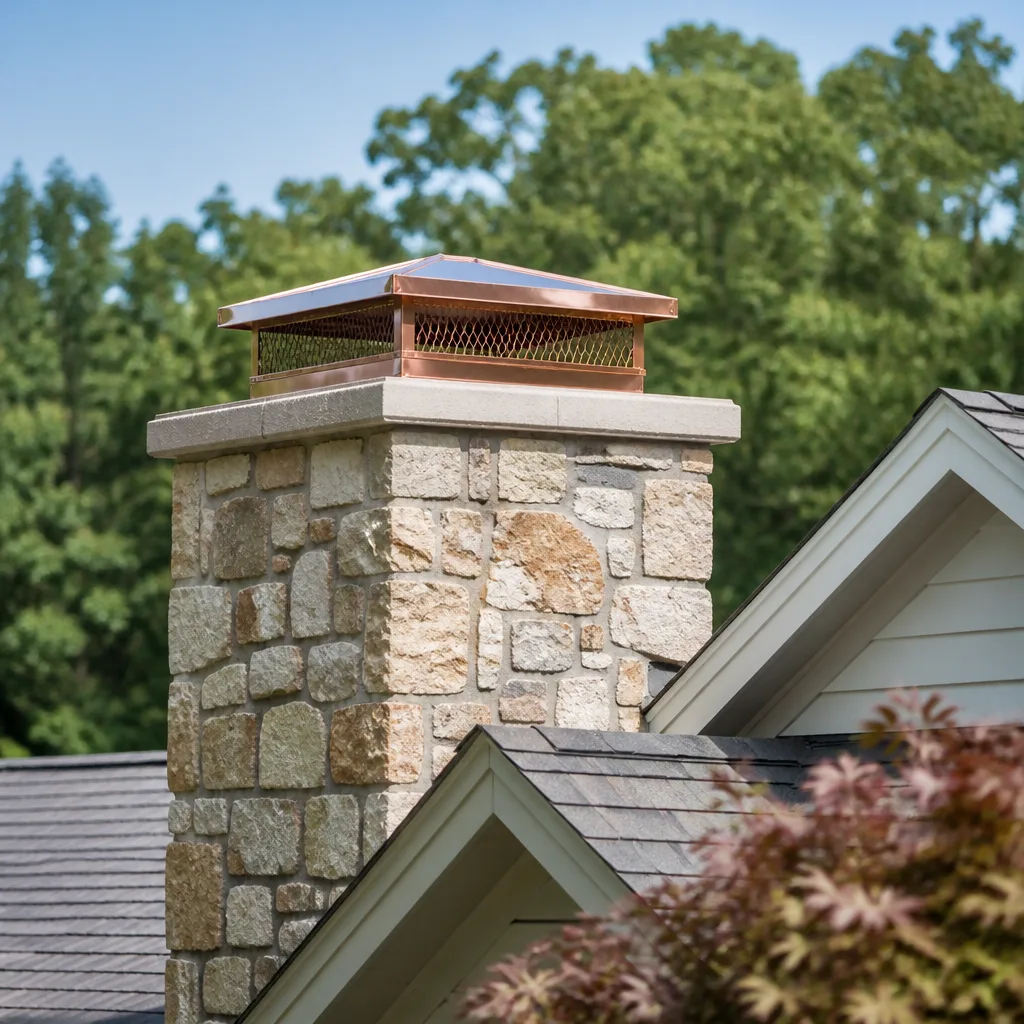 Caps & crowns
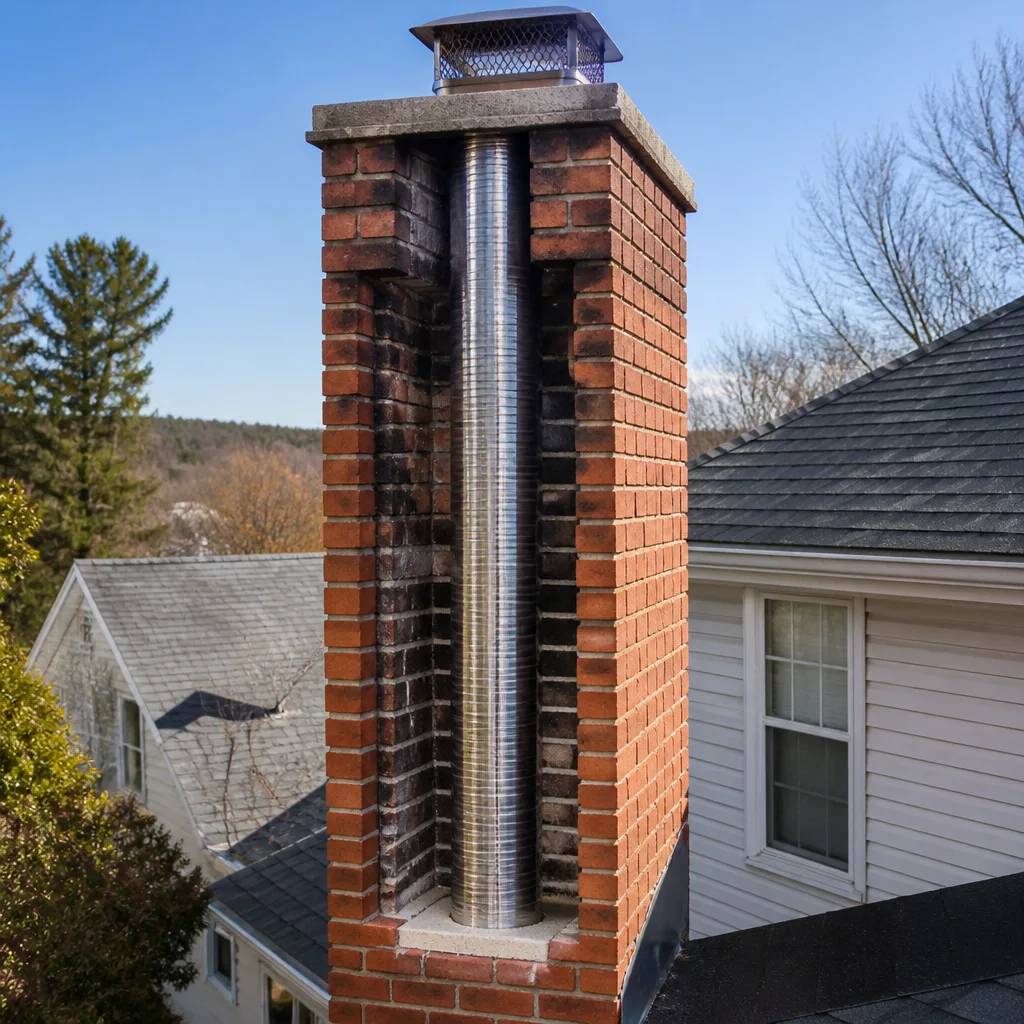 Flue relining
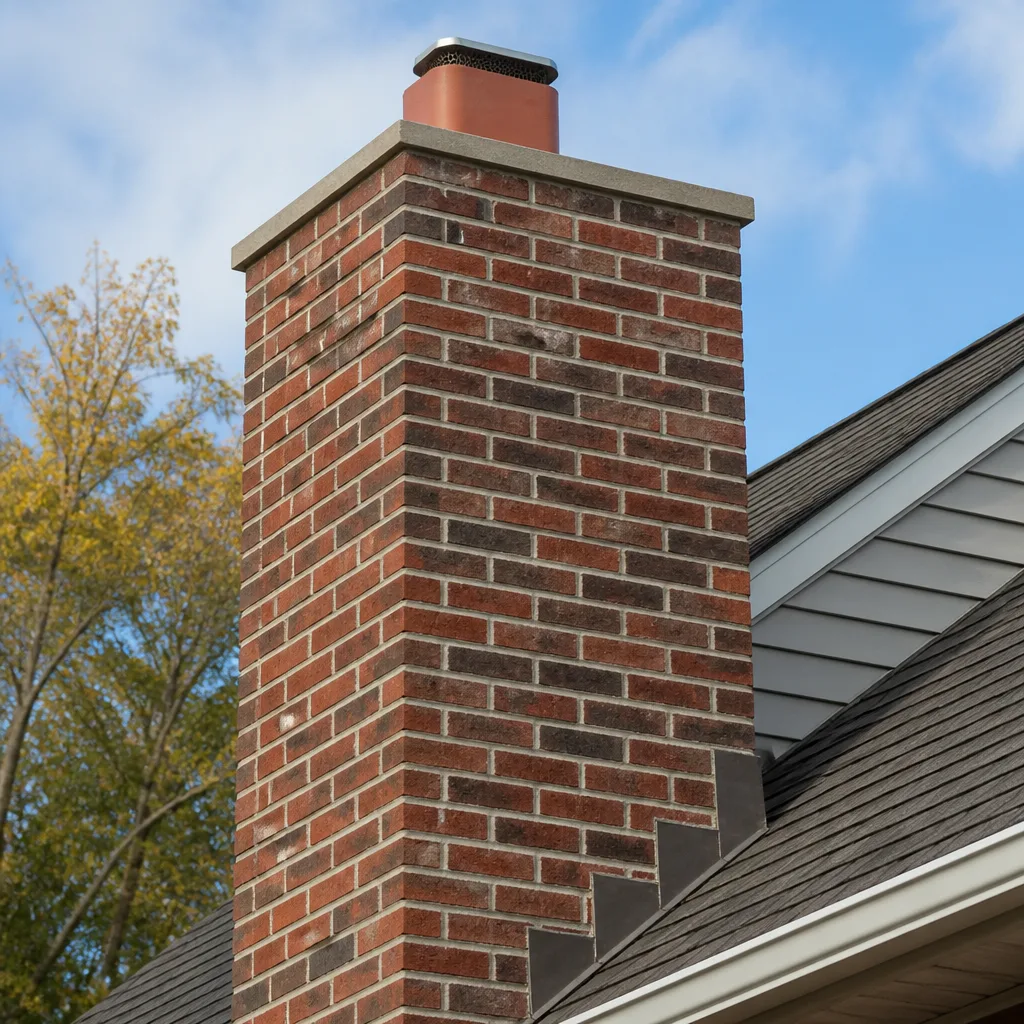 Masonry repair
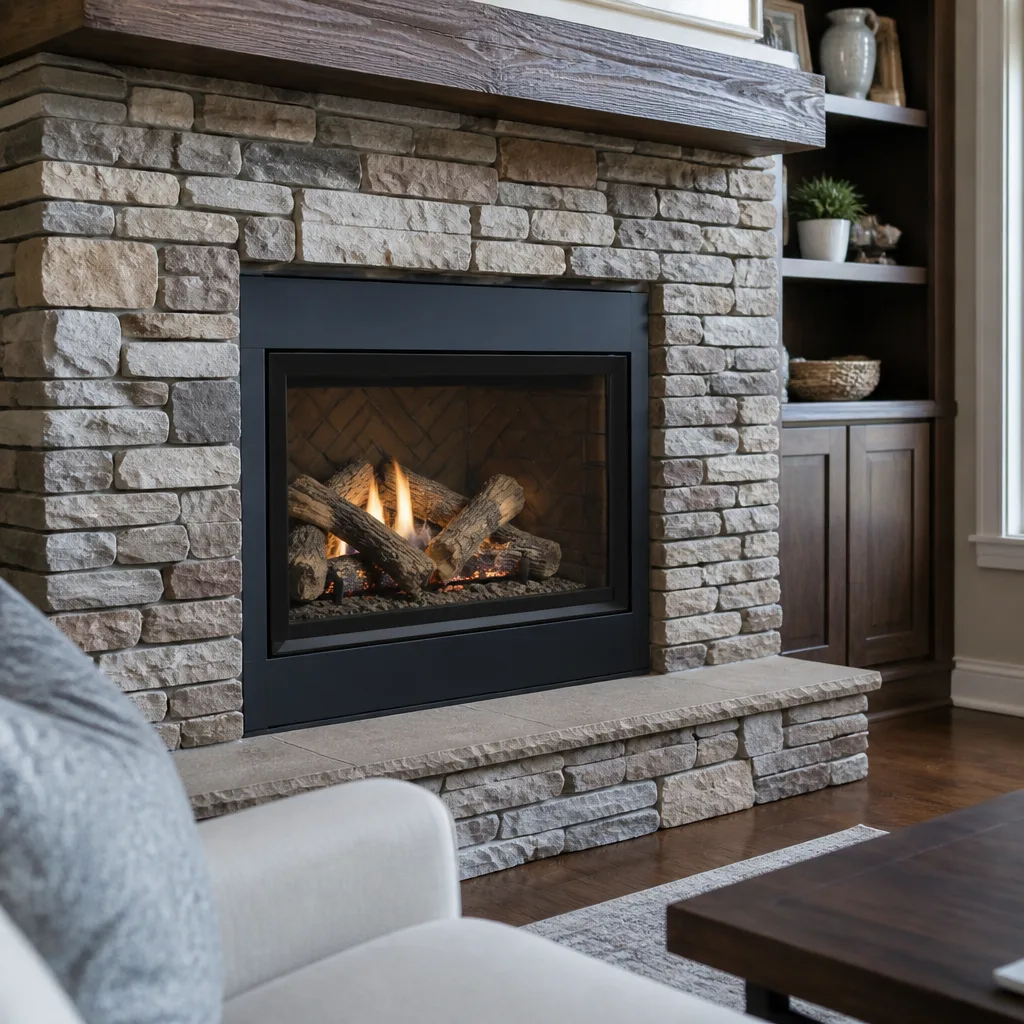 Gas fireplace service
Level 1 sweep and inspection to the NFPA 211 annual standard - flue, crown, cap, and flashing checked and photographed
Chimney sweep logs do not sweep chimneys. They loosen some creosote - which then falls where a brush and vacuum still have to collect it.
How to Hire a Chimney Cleaning Contractor in Adams Farm: A Step-by-Step Guide
Most homeowners hire a chimney sweep the way they’d hire a gutter cleaner: cheapest quote wins, done in an hour, never thought about again. That works fine until the day someone tells you the flue liner is cracked and the repair starts with a four-digit number. Here’s the uncomfortable part. CSIA certification costs a technician real money and continuing education hours to keep current, which is exactly why some crews working around Adams Farm don’t bother with it, and why that gap matters most when your liner is the thing on the table. This guide shows you what to verify, what a written quote should itemize, and which questions separate a full-service chimney specialist from a handyman with a brush kit.
Quick Answer
Hire a chimney cleaning contractor in Adams Farm by verifying three credentials (CSIA certification, NFI certification where gas appliances are involved, and North Carolina contractor licensing for any structural work), insisting on a camera inspection with a written photo report, and comparing itemized written quotes rather than flat verbal prices. A full-service specialist handles sweeping, inspection, caps, crowns, and relining under one company; a generalist hands those off. Ask what materials they use before you ask what they charge.
Styles & brands we work with
- Sweep & inspection
- Caps & crowns
- Flue relining
- Masonry repair
- Gas fireplace service
Table of Contents
- Why hiring a chimney contractor in Adams Farm takes more than a price check
- Step 1: Verify the credentials that actually matter
- Step 2: How to confirm those credentials yourself
- Step 3: Read the written quote line by line
- Step 4: Spot the red flags specific to chimney work
- Step 5: Ask about materials before you ask about price
- Step 6: Evaluate reviews the way a chimney professional would
- The questions to ask on the phone
Why hiring a chimney contractor in Adams Farm takes more than a price check
Adams Farm sits in the Piedmont, which means our burning season runs long and the shoulder months are humid. A chimney here cycles through heat and moisture more times in a year than one in a drier climate, and that cycle is what opens mortar joints and hairline cracks in a flue. None of that is visible from the firebox with a flashlight. The condition of your liner lives several feet up a flue you can’t see into, which is the whole reason credential checks and camera evidence matter more here than price shopping.
Think about what you’re actually buying. A sweep removes creosote and blockages. An inspection tells you what shape the system is in. Those are two different jobs, and a contractor who only sells the first one has no way to tell you about the second. Some do both in a single visit. Some do neither with a camera.
The gap between a full-service chimney company and a generalist shows up in three places:
- Scope. A specialist handles the sweep, the cap, the crown, the firebox, and the liner. A generalist does the sweep and refers the rest out, which means you’re managing two or three contractors and hoping they agree.
- Materials. Professional-grade liner and mortar systems come through chimney supply channels, not the hardware store shelf. The difference shows up years later.
- Evidence. A camera inspection with photos you keep is the only way you can verify a repair recommendation on your own time.
Many chimney companies in Adams Farm and the surrounding Triad area will do a competent sweep. Fewer can reline a flue, pour a crown, and repair a firebox without handing you off. That distinction is worth understanding before you dial.
Step 1: Verify the credentials that actually matter
Three credentials carry real weight in chimney work, and they cover different things. CSIA certification is the industry’s benchmark for sweeping and inspection competency. NFI certification covers gas and wood appliance installation and service. North Carolina contractor licensing applies once a job crosses from maintenance into structural work. A company may hold one, two, or all three, and you should know which applies to the job you’re hiring for.
CSIA certification
The Chimney Safety Institute of America certifies individual technicians, not companies. It requires passing an exam and completing continuing education to stay current. Certification is held by a person, so when a company says “we’re CSIA certified,” the fair follow-up is which technician holds it and whether that person will be on your job. A crew where nobody holds the credential can still sweep a chimney. What it can’t do is give you the same assurance that the person assessing your liner was trained and tested to do it.
NFI certification
The National Fireplace Institute certifies technicians by fuel type: wood, gas, and pellet. If you have a gas fireplace or a gas insert, NFI gas certification is the relevant one. Gas appliance work involves venting and combustion that a wood-only technician isn’t trained for. Ask which certification applies to your appliance before booking.
North Carolina contractor licensing
Routine sweeping and inspection generally don’t require a state contractor license. Structural chimney repair, rebuilds, and crown replacement often do. North Carolina’s licensing board publishes a database you can search by company name. If a company quotes you a rebuild, verify the license before you sign anything.
A company that handles the full system in-house is easier to vet than one that subcontracts. Sweeping, inspection, chimney cap & crown work, and relining all under one roof means one set of credentials to check and one party accountable for the result.
Step 2: How to confirm those credentials yourself
A business card that says “certified” proves nothing. Confirmation takes about ten minutes and it’s the single highest-value step in this whole process. Do it before you book, not after.
- Search the CSIA directory. The Chimney Safety Institute of America keeps a searchable list of certified professionals by name and location. Ask for the technician’s name and look it up. If the listing doesn’t come back, ask who does hold the certification.
- Check the NFI directory. The National Fireplace Institute publishes its own searchable database. Use it if you have a gas or pellet appliance.
- Search the NC licensing board. For any work beyond cleaning, look the company up in the state’s contractor license database. Confirm the license class covers the scope you’re being quoted.
- Ask for a certificate of insurance. General liability and workers’ compensation should both be current. A legitimate company sends this without fuss. One that hesitates is telling you something.
- Confirm who shows up. Ask whether the certified technician will be on site or whether a helper will do the work under a certification held by someone else. Both happen. You’re entitled to know which.
None of this is distrust for its own sake. The trade has a low barrier to entry, and a brush and a shop vacuum cost far less than a certification. That’s the reality of the market, and it’s why the homeowner who checks holds the advantage.
Step 3: Read the written quote line by line
A written quote should let you see exactly what you’re paying for. If it doesn’t, that’s information. Vague line items are where jobs grow after the fact, and chimney work is unusually prone to it because most homeowners can’t see the component being priced.
Here’s what a solid quote itemizes:
- The sweep itself, described by method (rotary, brush, or both) and by the appliance it covers
- The inspection, with the level named (Level 1, 2, or 3) and whether a camera is included
- The written report, including photos, stated as part of the price or as an add-on
- Any cap, crown, or damper work, priced separately with the product named
- Any liner or masonry repair, with the material and method named, not just “materials”
- Disposal of debris and soot, if there’s a charge for it
Now the flip side. Watch for a single line called “service fee” with no breakdown. Watch for “materials” as a lump sum on a job where the materials are a liner. Watch for a quote that prices the sweep low and leaves everything else open. And watch for a quote given over the phone before anyone has seen the chimney. Nobody can price a reline without looking at the flue.
One more: ask whether the estimate is free and whether the price is set per job by that written estimate. You should get a clear answer. A company confident in its numbers doesn’t mind putting them in writing.
Step 4: Spot the red flags specific to chimney work
Chimney repair has a particular vulnerability: the problem is inside a flue you can’t inspect yourself. That gives an unscrupulous operator room to describe damage you have no way to verify. These are the signals worth taking seriously.
- No camera inspection offered. A visual check from the firebox and the roof tells you about the accessible parts. It does not tell you the condition of the liner several feet up. If a company won’t run a camera, they can’t see what they’re recommending repairs for.
- No written report after the service. You should leave with documentation: photos, findings, and what was and wasn’t done. A company that packs up and drives off without one is leaving you with nothing to compare against next year.
- Same-day pressure to approve repairs. A genuine hazard warrants prompt attention, and a good contractor will tell you plainly when something can safely wait until spring. If every visit ends with a must-sign-today number, that’s a sales process, not a diagnosis.
- A price far below everyone else’s. A low sweep quote often means the inspection is thin or the repair conversation is where the money gets made. Compare what’s included, not just the bottom line.
- No physical address or verifiable license. Especially on structural work.
- Relining quoted before the flue has been looked at. The right liner depends on the flue’s condition and dimensions. A number given sight unseen is a guess dressed up as a quote.
In our experience, the most common version of this isn’t outright fraud. It’s a sweep-and-go operation that genuinely doesn’t have the equipment to assess a liner, so it recommends nothing, and the homeowner assumes silence means the chimney is fine.
Step 5: Ask about materials before you ask about price
Materials are where two quotes for the “same” job diverge, and where the difference gets expensive later. Ask what specific products go into the chimney. The answer tells you whether you’re dealing with a specialist.
A few things worth knowing:
- Refractory mortar. Firebox and crown repairs need mortar rated for the heat. Standard masonry mortar isn’t formulated for it, and a repair that fails in a couple of seasons costs more than doing it right once.
- Listed chimney caps. A cap should be a listed product sized for your flue, not a hardware store substitute that fits approximately. Caps and crowns are also the leading defense against water getting into the masonry, which is why we install Gelco and Famco components built for that job.
- Liner systems. Relining is technical work, and the product matters. We install DuraFlex liner systems for wood, gas, and oil appliances, and we use HeatShield to restore and resurface damaged liners where the flue doesn’t need full replacement. That last point is worth asking about directly, because not every company offers restoration as an option.
- Who does the work. If the answer is “we bring in a mason,” factor in the hand-off. One company, every part of your chimney system, means one party responsible when something needs to be made right.
On liner restoration specifically: a HeatShield application can often bring a damaged flue back to service without a demolition rebuild. It isn’t right for every flue, and that determination comes from the camera. But a company that doesn’t offer it at all may quote you a full reline as the only path because it’s the only path they have.
Step 6: Evaluate reviews the way a chimney professional would
Reviews are useful, and most people read them wrong. Five stars with no detail tells you someone was happy. It doesn’t tell you whether the inspection was thorough, whether the report showed up, or whether the price matched the quote. For chimney work, look for specificity.
What a detailed review looks like:
- Names the service and the outcome: “swept and inspected, camera showed a cracked liner section, they showed me the photo”
- Describes the quote experience: itemized, matched the final bill, no surprises
- Mentions the report: photos, findings, a clear wait-or-repair recommendation
- Describes a repair that held up, sometimes over more than one season
What padding looks like: short, generic praise, posted in clusters, with no mention of what was actually done. Read the two- and three-star reviews first. A company’s response to a genuine complaint tells you more about how they operate than a wall of five-star entries. And look for reviews that mention Adams Farm specifically; a company that knows the area’s housing stock and burning season tends to show it in how they describe the work.
Ask neighbors, too. Word of mouth in a neighborhood where people burn wood all winter is worth more than any star average.
The questions to ask on the phone
You can vet most of a contractor in a five-minute call. These are the questions that separate the answers.
- Is the technician coming to my home CSIA certified, and is the certification current?
- Does the visit include a camera inspection, and do I get the photos in a written report?
- Is the estimate free, and is the price set per job by that written estimate?
- Which products do you use for liners, mortar, and caps?
- If you find liner damage, do you offer restoration as an option, or only full relining?
- Do you handle caps, crowns, firebox repair, and relining in-house?
- Are you licensed and insured for structural work, and can you send the certificate?
A contractor who answers all seven without hesitation is worth a second conversation. One who dodges the camera question or can’t say what mortar they use is telling you where their limits are.
To book a chimney sweep and inspection with a company that answers all seven, call us. We’ll tell you what we find and what it actually needs.
Common Mistakes to Avoid
- Hiring on price alone. A low sweep quote with a thin inspection costs you the information you actually needed. Compare scope, not just the number.
- Accepting a verbal quote. Chimney work has too many variables for a phone estimate. Get it in writing, itemized, before anyone starts.
- Skipping the camera inspection. A flashlight look from the firebox can’t see the flue. Without a camera, nobody is assessing your liner, and that’s the component that matters most.
- Letting a same-day sales pitch override your judgment. A real hazard deserves prompt action. A repair that can wait till spring should be described that way. Ask directly: what happens if I hold off for a season?
- Not asking what materials are going in. Standard mortar and an unlisted cap are the two most common substitutions, and both fail early in our humid Piedmont cycles.
- Skipping annual inspection because the fireplace “worked fine.” Most liner and creosote problems don’t announce themselves. They show up on camera long before they show up as a draft or a smell.
- Not keeping the report. Last year’s photos are the baseline for this year’s. A written report you keep is what turns a recommendation into something you can verify.
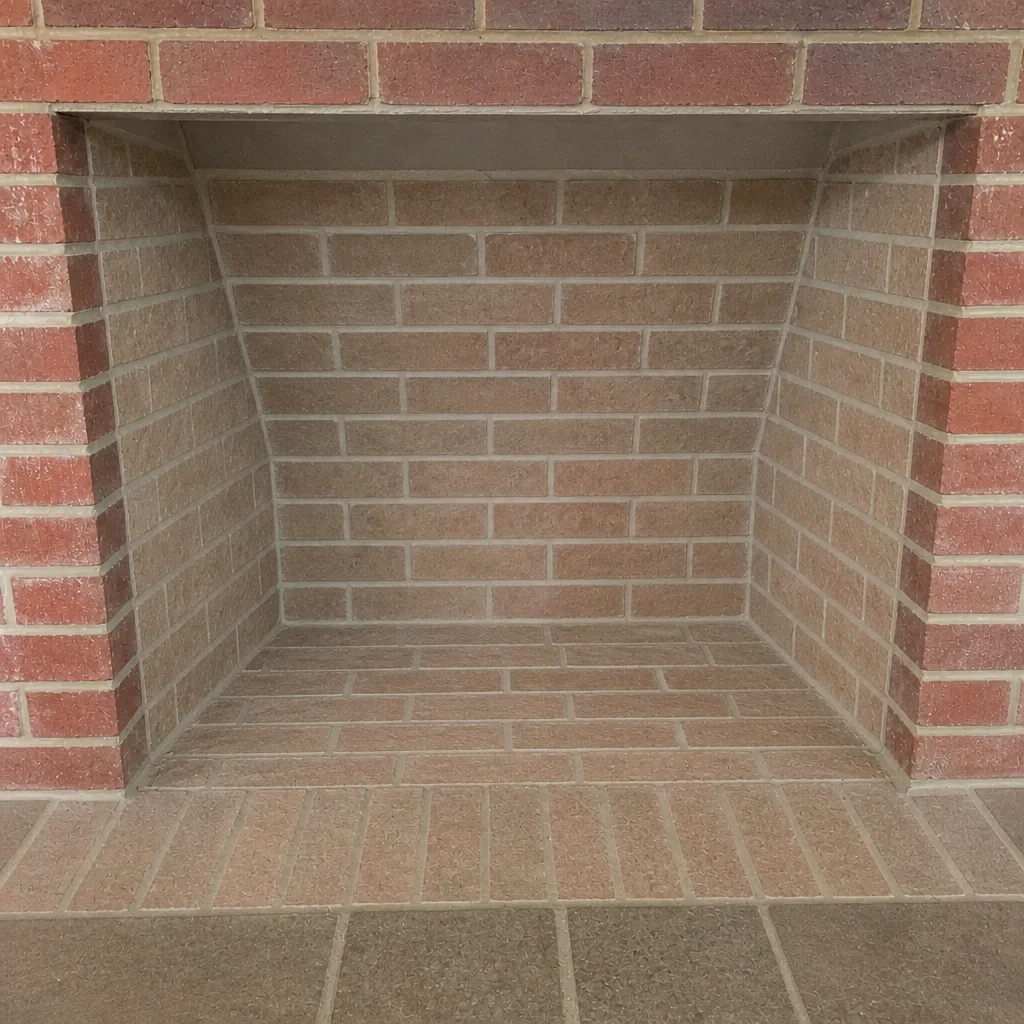
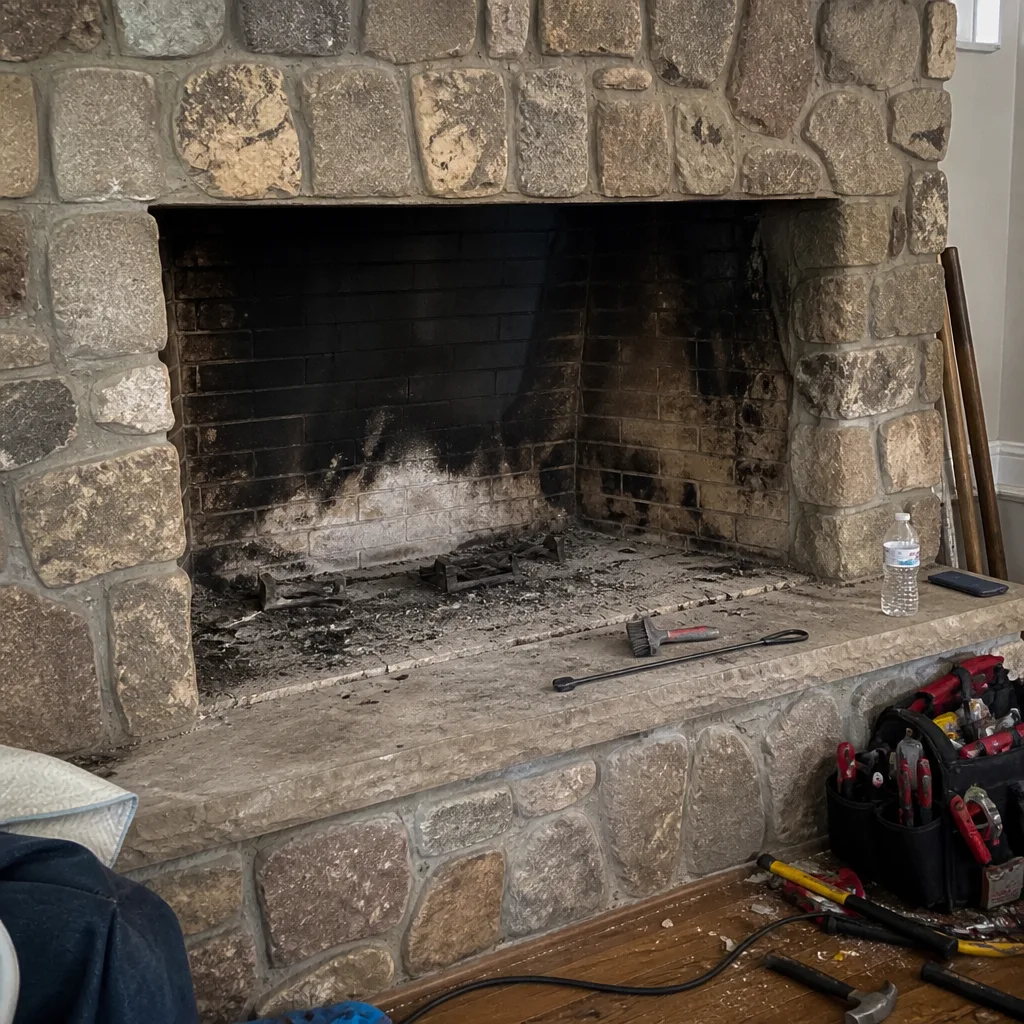
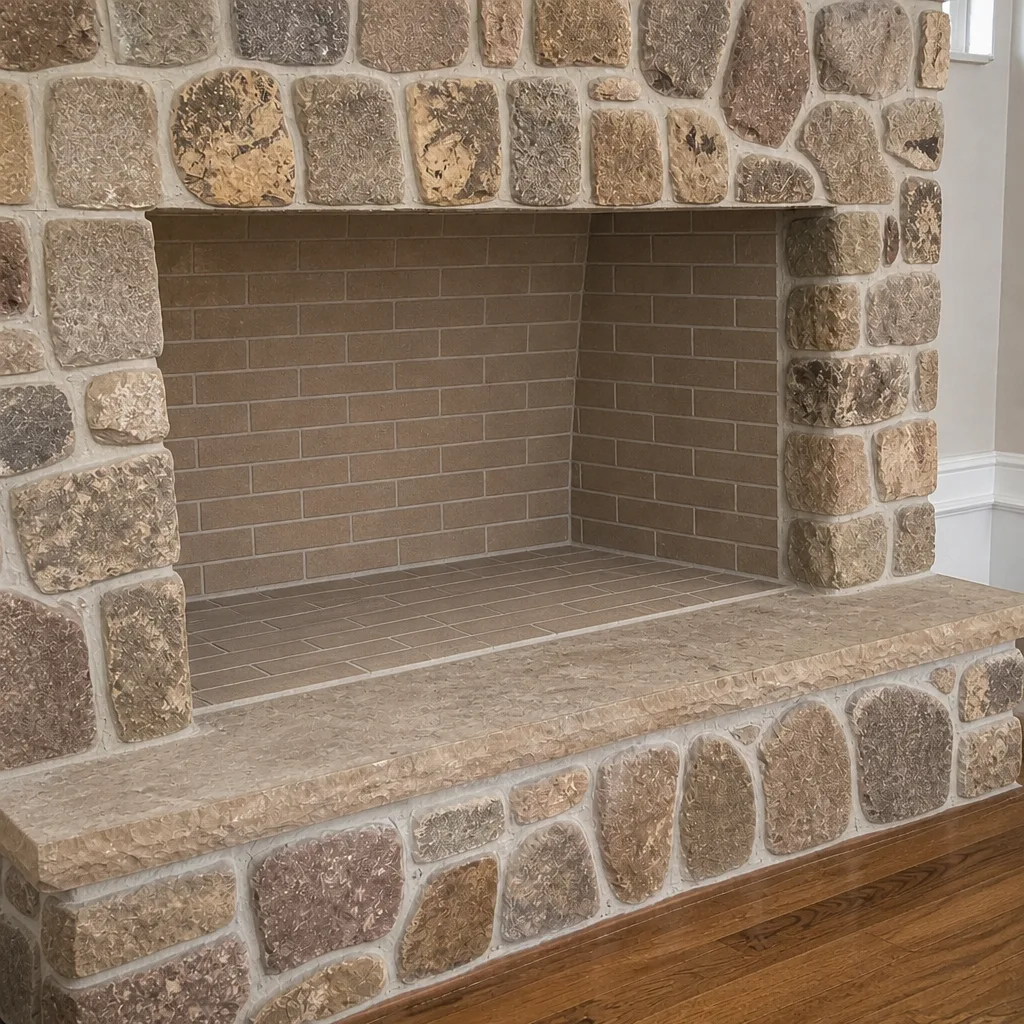
See the difference
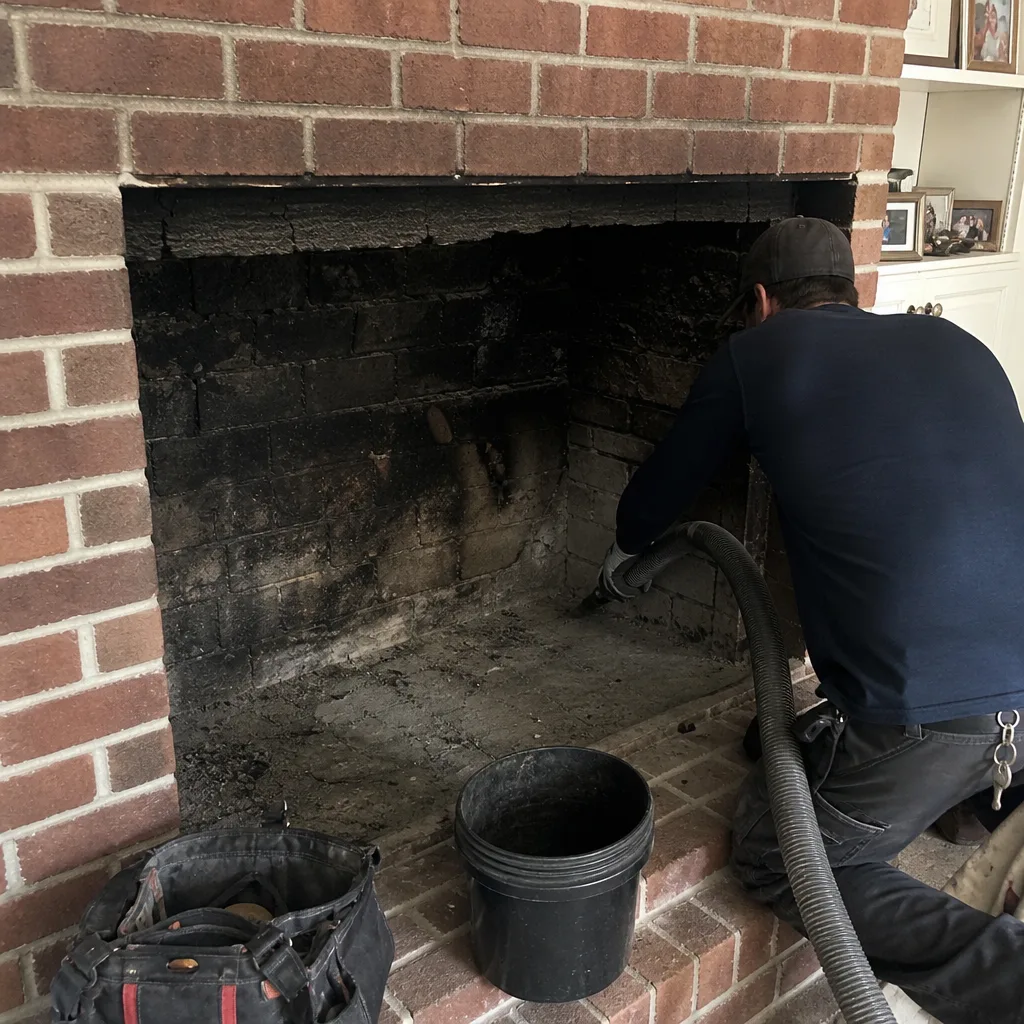 Before
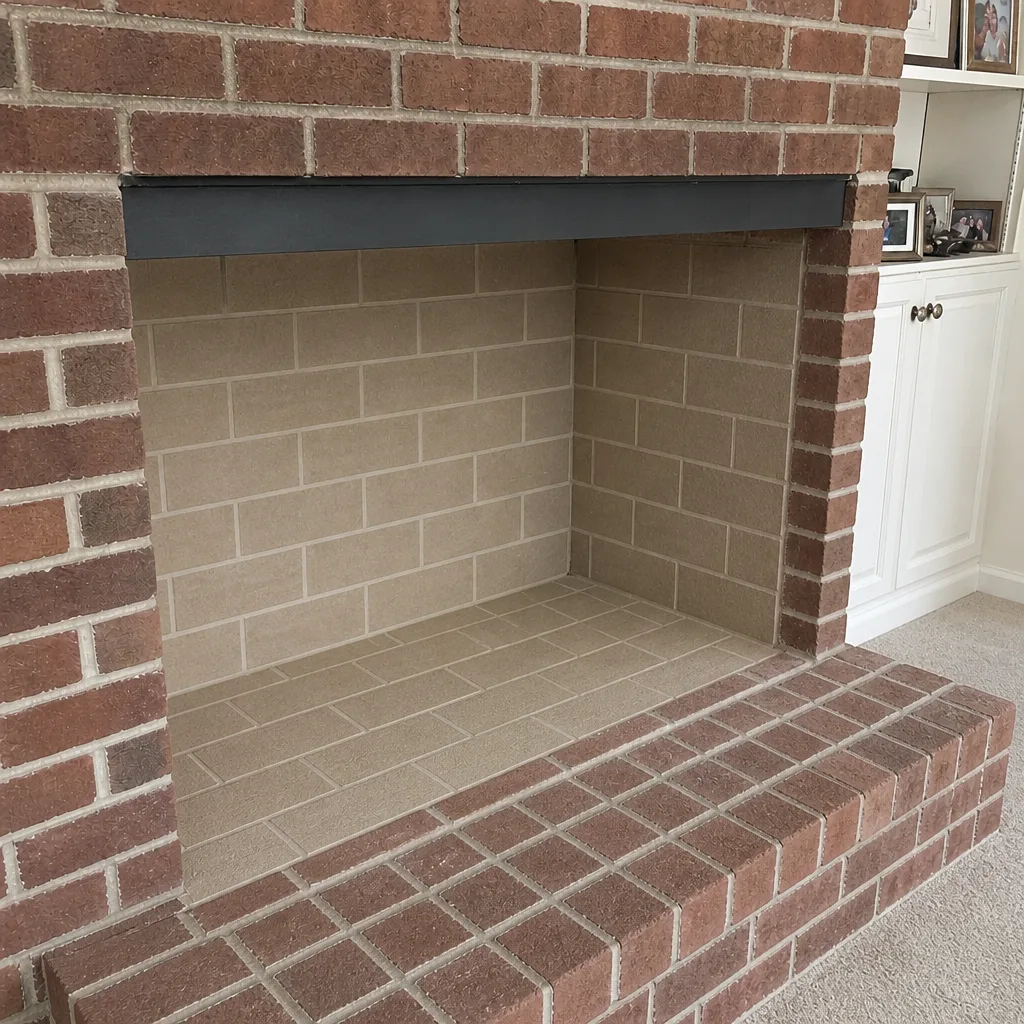 After
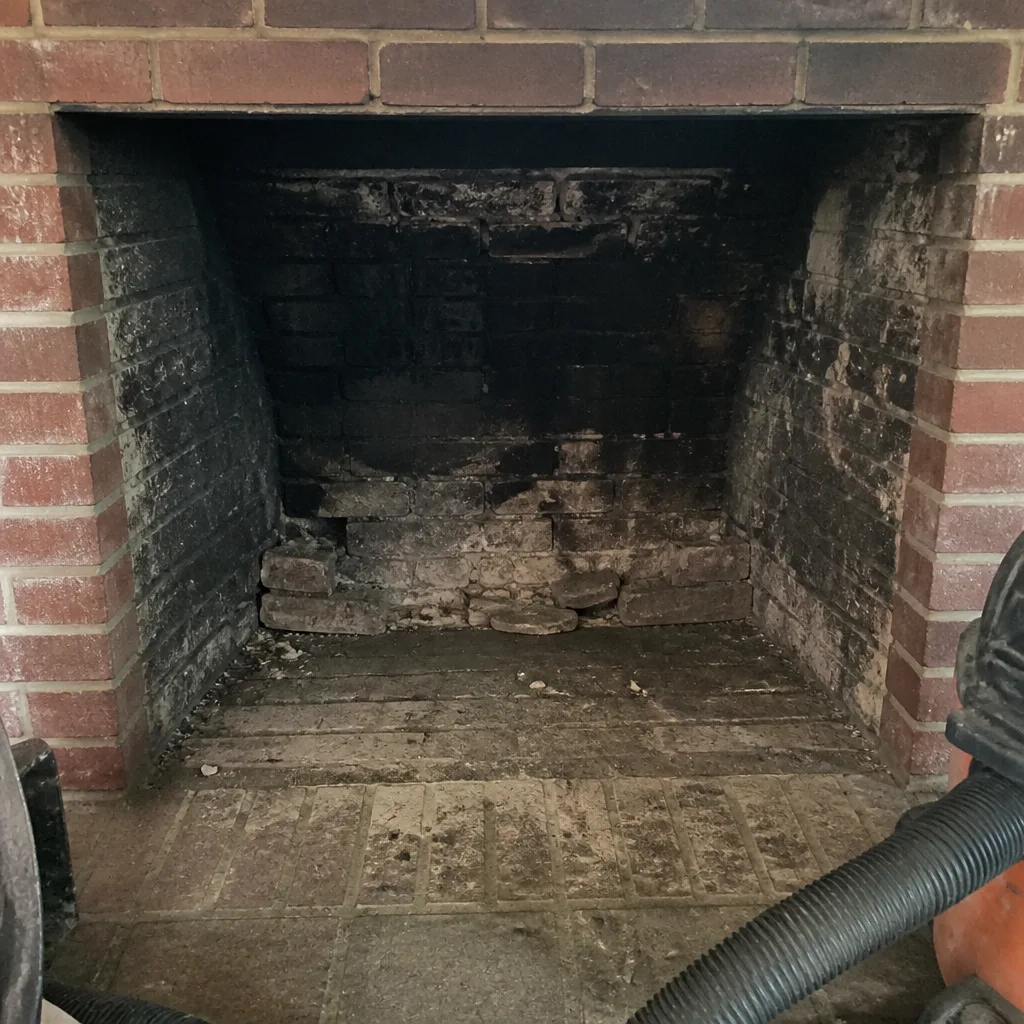 Before
 After
 Before
 After
When to Call a Professional
Book a professional Chimney Sweep Adams Farm service when you’ve burned through a season’s worth of wood and haven’t had the flue cleaned, when you’re buying a home in Adams Farm and the inspector flagged the chimney, or when you’re switching fuels and need the venting verified. Call promptly if you notice a strong creosote smell, smoke backing into the room, visible cracks in the firebox or crown, water staining on the ceiling near the chimney, or a cap that’s come loose. Those point to problems that get worse with use.
Carbon monoxide is the reason not to let a gas appliance venting issue sit. It’s odorless, and a blocked or damaged flue is one of the ways it backs into a home. A trained professional with a camera is how you rule that out. Don’t diagnose it yourself from the firebox.
Chimney Sweep Adams Farm offers free estimates in Adams Farm. Call (855) 812-5209. We answer 24/7. Fast dispatch from 7am to 7pm, Sunday through Friday.
Frequently Asked Questions
You don’t legally need one to have your chimney swept, but you should ask for one when your liner is being assessed. CSIA certification means the technician passed an exam and maintains continuing education, and that’s the person you want reading a camera image of a cracked flue. If a company can’t name a certified technician, ask what training their crew has instead.
Once a year for most homes that burn wood regularly, and more often if you burn heavily or burn unseasoned wood. The Piedmont’s long shoulder seasons mean chimneys here cycle through heat and moisture repeatedly, which is hard on masonry. An annual inspection catches liner and crown problems before they become repairs. Call (855) 812-5209 to book one.
A written report should include the level of inspection performed, photos of the flue interior and any defects found, the condition of the cap and crown, and a plain recommendation on what needs attention now versus what can wait. Photos are the part that matters. They’re what lets you verify a repair recommendation instead of taking it on faith.
No. HeatShield application can often restore and resurface a damaged liner without a demolition rebuild, which saves significant cost when the flue qualifies. Whether yours qualifies depends on the extent and location of the damage, and that’s a camera determination. Ask any contractor whether they offer restoration as an option, not just full relining.
For a basic sweep, possibly. For anything involving the liner, the crown, or the firebox, no. Those require specific materials and training, and a generalist typically doesn’t carry either. Chimney repair also often requires state contractor licensing that a handyman may not hold. Ask before you assume.
Creosote builds up, and liner cracks and crown damage go unnoticed until they cause a draft problem, water intrusion, or worse. Most of what an inspection catches is invisible from inside the house. Skipping a year isn’t automatically dangerous, but skipping several in a row means nobody has looked at the component that keeps combustion gases out of your living space. Call (855) 812-5209 for an exact quote on a sweep and inspection, and see the photos yourself.
The Bottom Line
Hiring a chimney contractor in Adams Farm comes down to verification. Check CSIA and NFI credentials in the actual directories, confirm NC licensing for structural work, and get a certificate of insurance. Insist on a camera inspection with a written photo report. Compare itemized written quotes, and be suspicious of lump-sum “materials” lines and same-day pressure. Ask what products go in: refractory mortar, listed caps, and a liner system from a name like DuraFlex or HeatShield. Read reviews for specifics, not stars. And remember that a company handling sweeping, inspection, fireplace repair, and relining under one roof is easier to hold accountable than a chain of hand-offs. Do that, and you’ll know what your chimney needs and why.
Ready to book? Call (855) 812-5209 for a free estimate. We answer 24/7. Fast dispatch from 7am to 7pm, Sunday through Friday.
Written by the team at Chimney Sweep Adams Farm.