
Last updated November 25, 2026
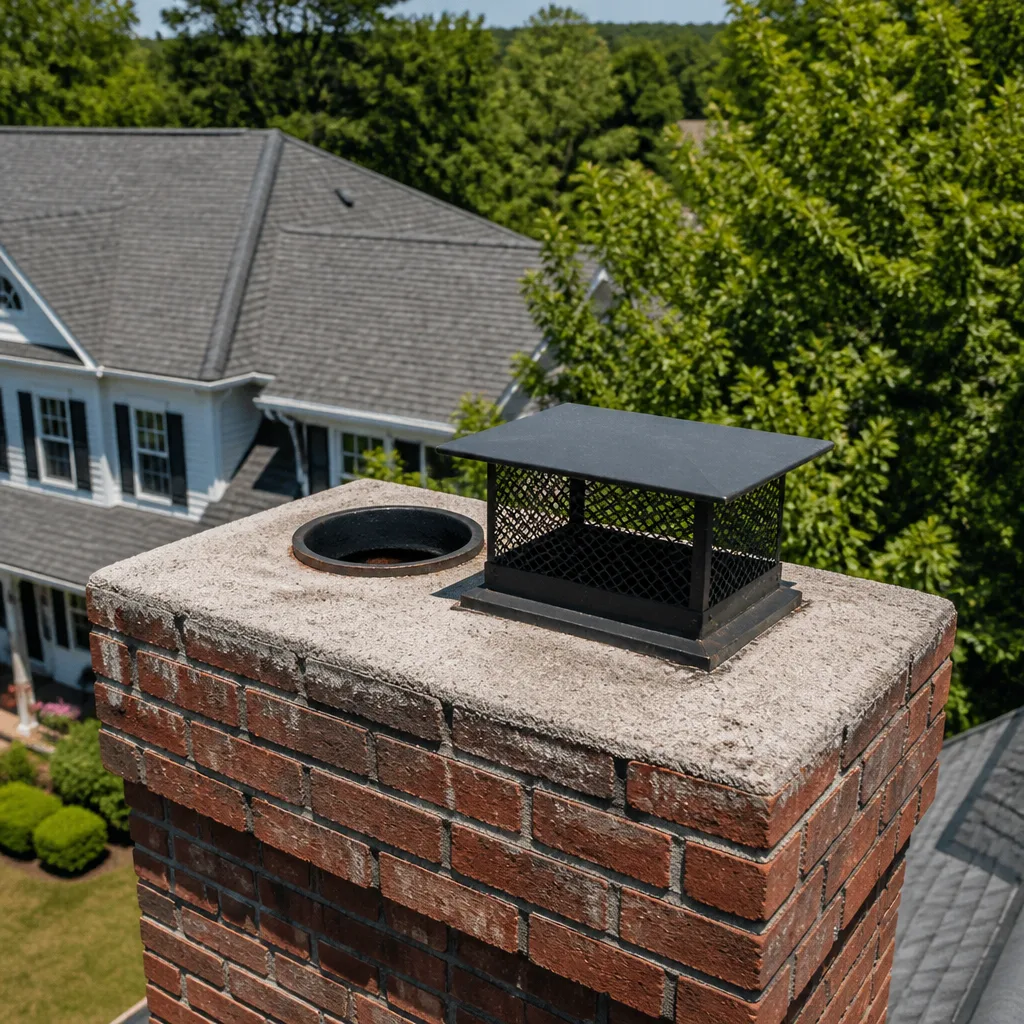 Sweep & inspection
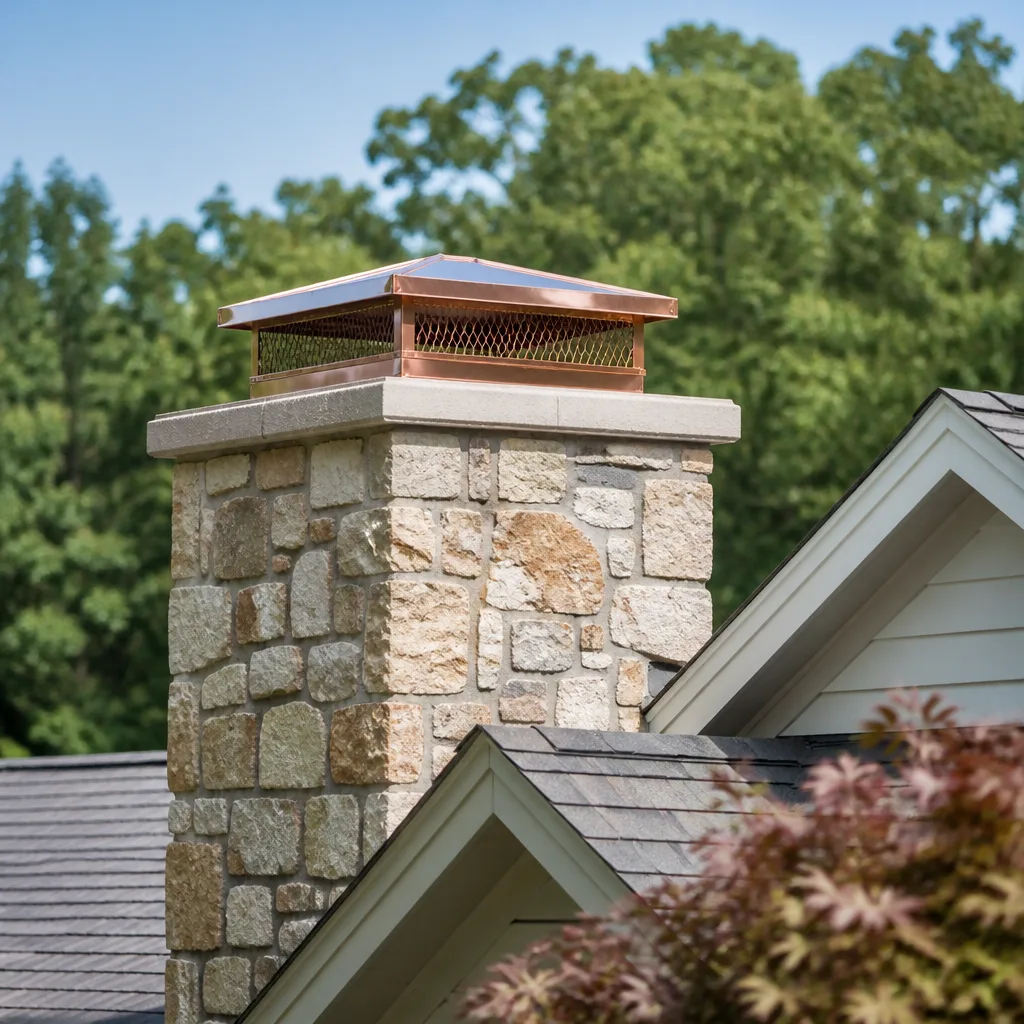 Caps & crowns
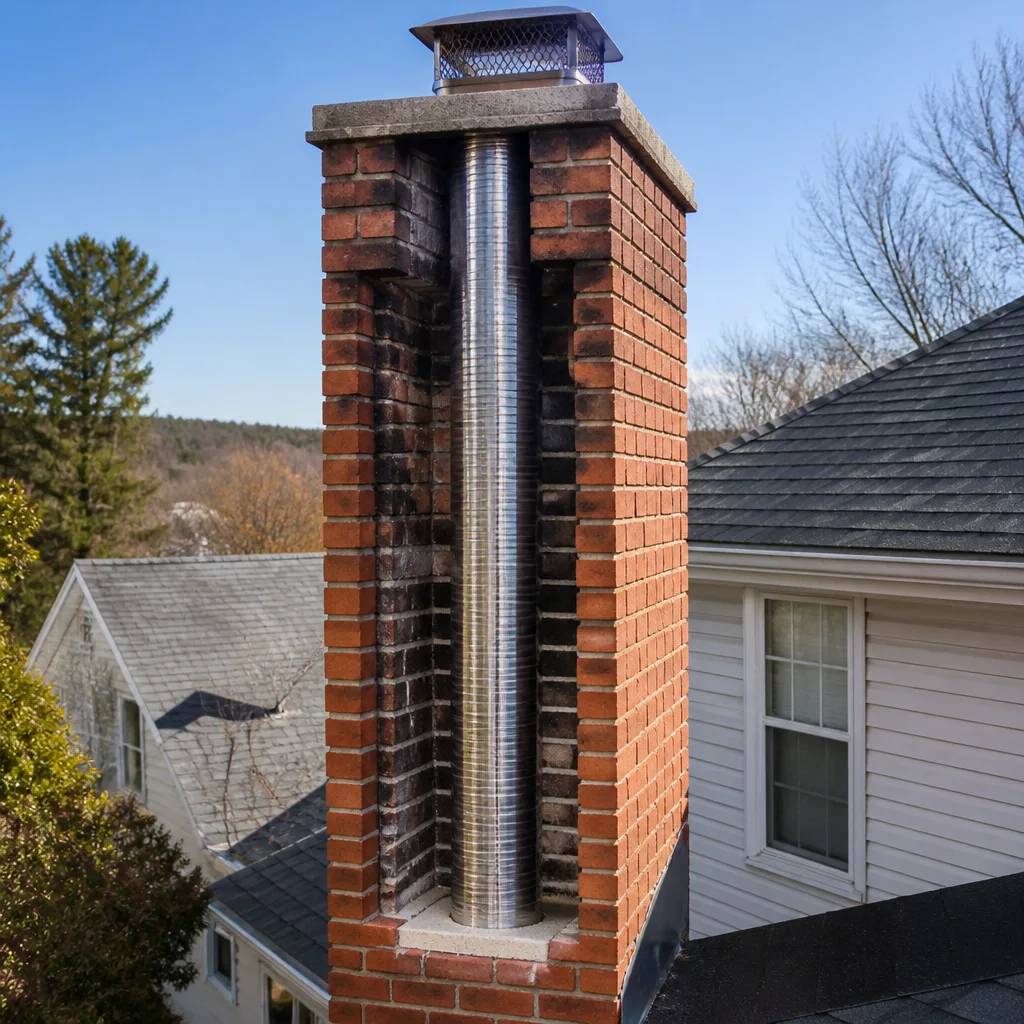 Flue relining
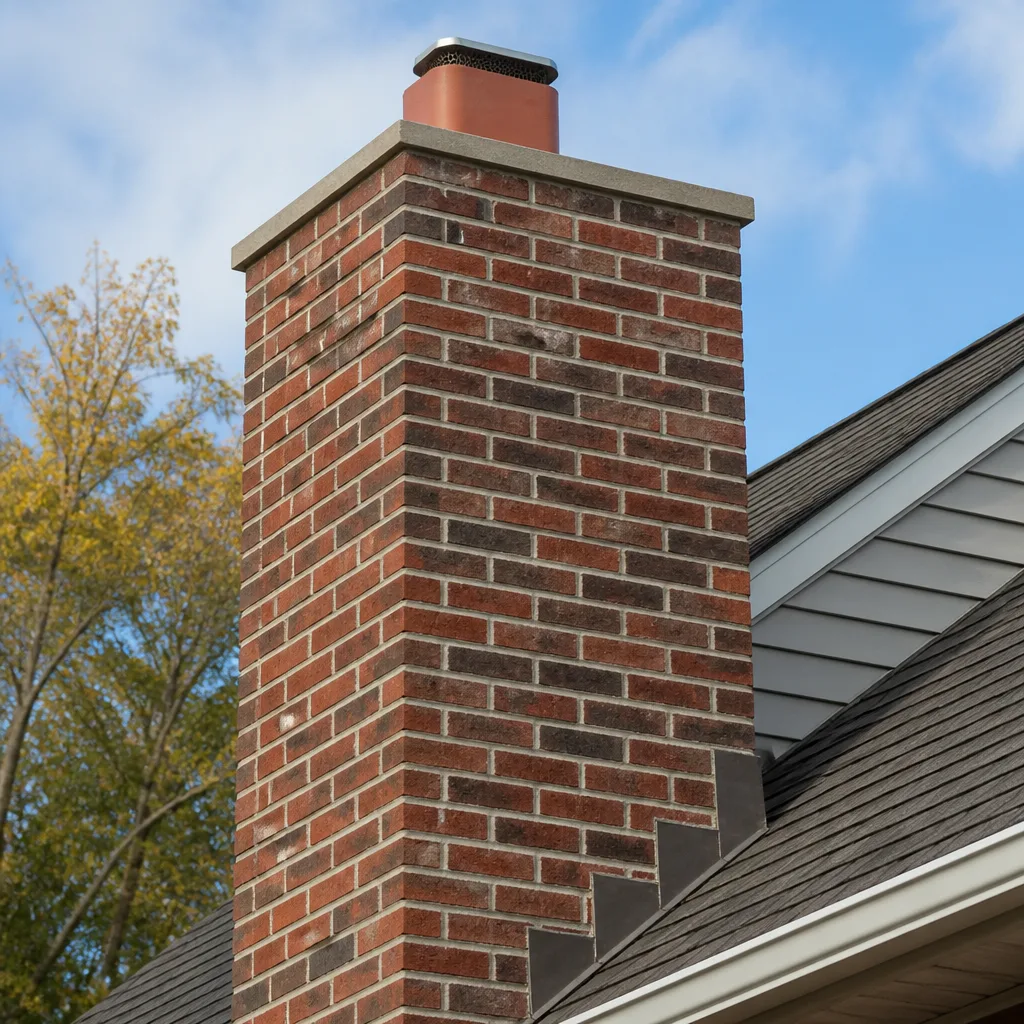 Masonry repair
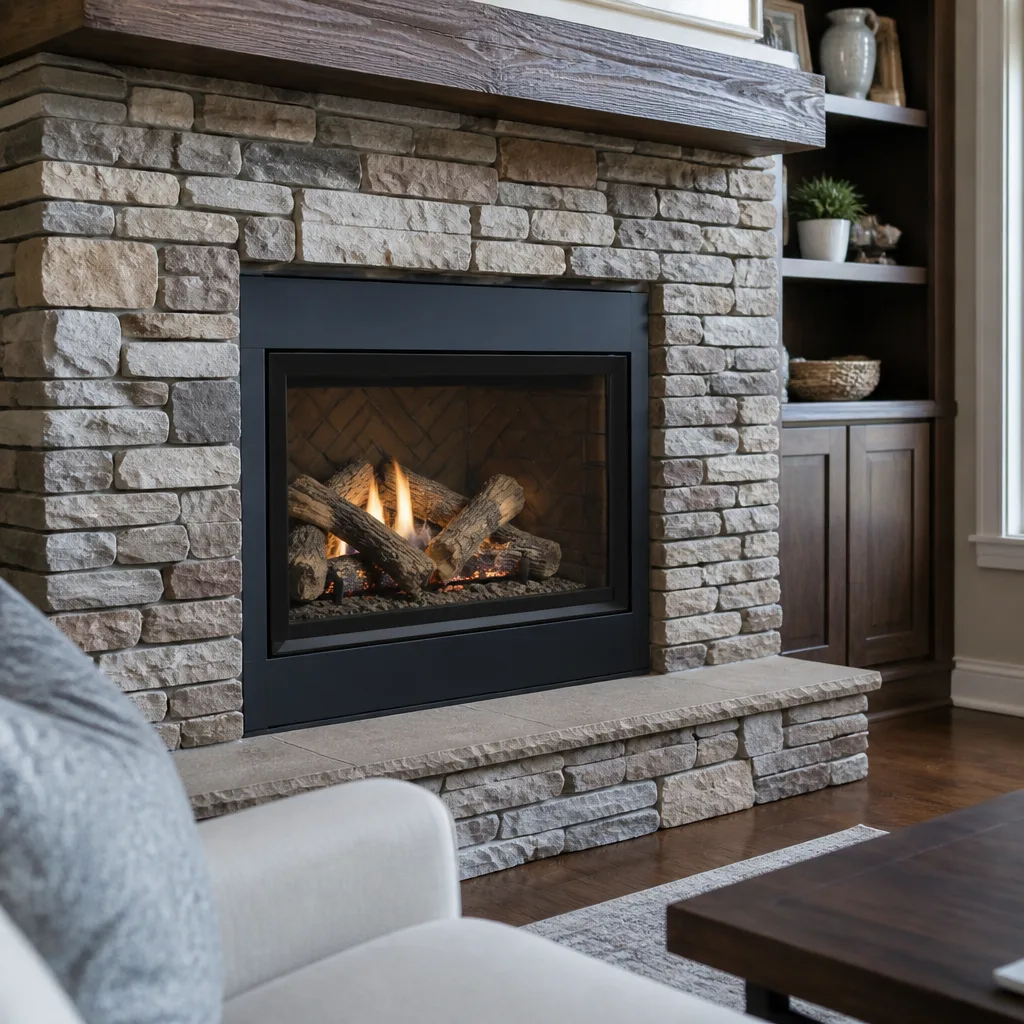 Gas fireplace service
Level 1 sweep and inspection to the NFPA 211 annual standard - flue, crown, cap, and flashing checked and photographed
Chimney sweep logs do not sweep chimneys. They loosen some creosote - which then falls where a brush and vacuum still have to collect it.
Chimney Sweep Maintenance Checklist for Adams Farm Homeowners
The mortar joints on a chimney built in Adams Farm in the 1990s are probably at a different stage of deterioration than national averages suggest. North Carolina’s freeze-thaw cycles are mild compared to the Northeast, but the moisture exposure here is relentless – humid summers, driving spring rain, and a red clay soil that holds water against the foundation long after the rain stops. That combination changes what your chimney actually needs and when. This guide gives you a working checklist calibrated to Adams Farm’s real seasons, local housing stock, and the way homes in this part of Guilford County are built. You’ll learn what to check yourself, what requires a professional tool set, and what to log so your chimney holds up for decades.
Quick Answer
A chimney in Adams Farm should be swept and inspected once a year, and the best time to book that visit is late summer or early fall before the first fire of the season. The annual visit covers sweeping, a Level 2 inspection, and a look at the cap and crown. Between professional visits, homeowners should check the damper, watch for smoke rollout and odors, and watch the exterior masonry at the crown and flashing for signs of water intrusion. Everything else – liner evaluation, crown repair, flashing work – belongs in the hands of a trained technician.
Styles & brands we work with
- Sweep & inspection
- Caps & crowns
- Flue relining
- Masonry repair
- Gas fireplace service
Table of Contents
- Why Adams Farm Chimneys Age Differently
- The Month-by-Month Checklist
- Exterior Masonry Checks for Red Clay Soil
- Interior Indicators You Can Check Between Visits
- What You Can Service vs. What Needs a Pro
- What to Log and Keep on File
- The Three Inspection Levels Explained
- Signs It’s Time to Call Before Your Scheduled Sweep
Why Adams Farm Chimneys Age Differently
Adams Farm sits in a climate that’s deceptively hard on masonry. The Piedmont’s average winter low hovers near freezing, which means the freeze-thaw cycle happens often but rarely deep. That’s actually worse for mortar joints than a hard, sustained freeze. Water gets into a hairline crack, freezes overnight, expands, and thaws by mid-morning. Repeat that 30 to 50 times a winter and a mortar joint that looked fine in October can be crumbling by March. It’s the frequency, not the severity, that does the damage.
Then there’s the soil. Adams Farm sits on the red clay that defines much of Guilford County. Clay expands when wet and contracts when dry, and it moves whatever sits on it. A chimney footing set on clay will shift slightly over 25 or 30 years – usually measurably, sometimes visibly. That shift shows up as a hairline crack between the chimney and the house wall, a crown that pulls away from the flue, or flashing that separates just enough to let water in sideways.
Housing stock matters too. Homes built in Adams Farm from the late 1980s through the 2000s typically have masonry fireplaces with clay tile liners and a framed chase on the exterior. The liners from that era hold up reasonably well, but the tile joints crack with thermal cycling. That’s where water gets behind the flue and where creosote accumulates in ways a homeowner can’t see. The northern-facing exterior chases take the worst of it because they dry out slowest after rain.
What this means for you: a national “sweep once a year” template misses the local story. The right checklist for an Adams Farm chimney pays attention to the cap and crown first, because water intrusion from the top down is the leading cause of damage here. It also builds in exterior checks in spring and fall, not just before heating season.
The Month-by-Month Checklist
National maintenance calendars assume a four-season climate with a hard winter. Adams Farm’s seasons are different: long humid summers, mild winters with frequent light freezes, and a wet spring. Here’s a working calendar that fits.
January through February
- Burn only seasoned firewood (split, stacked, covered, and dried at least a year).
- Check the firebox after each burn – look for buildup that’s more than the width of a pencil on the walls.
- Listen to the chimney on cold mornings. Popping or crackling outside the fire itself is a reason to stop burning and call.
March through April
- Walk the exterior once the ground thaws. Look at the crown, the flashing where the chimney meets the roofline, and the mortar joints on the chase.
- Do a spring sweep if you burned more than a cord of wood over the winter.
- Check the attic for water staining around the chimney penetration – a small drip in March is a small repair, not a rebuild.
May through June
- Look at the damper. It should open and close smoothly with one hand. If it’s stiff, ask about it during your next service.
- This is the best window for exterior masonry work – cap replacements, crown repair, flashing resealing. The dry season gives mortar and sealant time to cure.
- Remove debris from the top of the chimney cap screen if it’s reachable from a safe vantage. Don’t climb the roof for this.
July through August
- Book your fall sweep and inspection now. Adams Farm’s chimneys all come due at the same time of year, and booking ahead gives you the slot you want.
- Close the damper if you’re running the air conditioning – an open damper in July pulls cool air straight up the flue.
- Check for musty odors when the house is closed up. A smell that appears only in summer usually means moisture or a downdraft issue.
September through October
- Test the smoke alarm and carbon monoxide detector on the same day. This is the safety check that actually matters most.
- Have the chimney swept and inspected before the first fire. Creosote from last winter has had a full season to harden.
- Do a quick interior smell test – open the damper on a cool evening and smell for soot, mustiness, or the sharp smell of a creosote-heavy flue.
November through December
- Watch smoke behavior on the first few fires of the season – if it rolls back into the room, the flue is cold, blocked, or the pressure balance in the house has changed.
- Keep a small notebook or a phone note with fire dates and any odd smells, sounds, or behavior. It helps your technician make sense of what’s happening.
- Make sure the firewood stack is off the ground and covered on top. Wet wood feeds creosote formation.
Exterior Masonry Checks for Red Clay Soil
The exterior side of your chimney tells you what the interior can’t. In Adams Farm, the three places water gets in are the crown, the flashing, and the mortar joints – roughly in that order of frequency. Here’s what to check from the ground, with binoculars if you have them.
The crown
The crown is the concrete cap at the very top of the chimney. It should slope away from the flue so water runs off. Look for:
- Visible cracks wider than a hairline
- A crown that sits flat or slopes toward the flue
- Pieces missing or crumbling at the edge
- A gap between the crown and the flue tile
Any of these means water is getting into the masonry from the top down, which is exactly what wears out a chimney in this climate. A proper crown rebuild – usually done with a product like Gelco or Famco – is a small job that prevents a large one.
The flashing
Flashing is the metal or membrane that seals the chimney to the roof. In Adams Farm, the red clay soil shifts the foundation slightly over time, and that shift puts stress on the roof penetration. Watch for:
- Pulled-away or lifting metal
- Visible caulk or sealant that’s cracked or gone
- Moss or dark staining on the roof near the chimney – a sign of slow water running where it shouldn’t
The mortar and the chase
Walk around the chimney once in spring and once in fall. Look at the mortar joints between the bricks or stones. Tuck-point joints – the ones that look recessed or missing – mean water is getting behind them. Look at the bottom course where the chimney meets the ground or the foundation slab. Heaving from clay expansion shows up as a crack right at the base, running horizontally or stepping like a staircase.
If you see a crack between the chimney and the wall of the house, that’s the shift showing up. It’s not always serious, but it’s always worth a look from a technician who understands how these chimneys move. We’ve seen a lot of these on Adams Farm homes, and in most cases the fix is straightforward if it’s caught before water has had a winter to work into the wall cavity.
Interior Indicators You Can Check Between Visits
Inside the house, you’re looking for clues, not doing repair. Four things are worth checking every few weeks during the burn season.
Smoke behavior
A chimney that drafts properly pulls smoke up and out. Watch the first five minutes of a fire. Smoke that lingers near the top of the firebox, curls back into the room, or leaves a soot smear on the fireplace face is telling you the draft is weak. Common causes include a cold flue, a blocked cap screen, a closed or partially closed damper, or a change in the house’s air balance after a remodel or window replacement.
Odor type
Different smells point to different things. Learn the distinctions:
- Sooty, sharp smell in summer – usually creosote off-gassing as the chimney warms up. A sweep resolves it.
- Musty or wet-earth smell – moisture somewhere in the system. Check the cap and crown first.
- Smoke smell in the house without a fire – downdraft from a nearby taller structure or from the chimney being on the negative-pressure side of the house.
- Chemical or solvent smell – unusual, and worth a call. It’s not a normal chimney smell.
Damper feel
Open and close the damper with your hand. It should move smoothly and stop firmly against its seat. A damper that sticks, drops, or closes but doesn’t seal is a small repair that’s easy to defer and hard to fix later once the hinge pin has rusted in place. Mention it when you book your annual sweep.
Creosote visible in the firebox
Shine a flashlight up the flue from the firebox. You’re not looking for a specific thickness – you’re looking for glaze, shine, or a tar-like texture high up. Glazed creosote is the kind that ignites at a much lower temperature than the fluffy kind, and it can’t be brushed off. If you see it, stop burning and book a sweep. We use professional-grade sweeping tools for a reason – creosote removal is not a homeowner job.
What You Can Service vs. What Needs a Pro
The line between homeowner maintenance and professional service matters more on a chimney than on most home systems. Some items are genuinely safe to handle yourself. Others are not, and it’s not about being cautious – it’s about the actual risk.
Safe for homeowners
- Testing smoke and carbon monoxide detectors
- Keeping firewood dry, covered, and off the ground
- Using the damper correctly and noting any change in feel
- Looking at the exterior masonry from the ground with binoculars
- Clearing the fireplace of ash (into a metal can, never a vacuum)
- Watching smoke behavior and logging what you see
- Keeping a service log
Requires a professional tool set and training
- Sweeping the flue – including the brush, rods, and drop cloths that keep soot out of your living room
- Inspecting the flue liner – a camera inspection is the only way to see what’s actually inside
- Crown repair or replacement
- Flashing work
- Chimney cap installation or replacement
- Tuck-pointing and masonry repair
- Liner evaluation and any relining work
- Firebox repair
The reason the second list stays with the professional comes down to three things: access, tools, and the ability to read what you’re seeing. Getting on a roof to check a crown is dangerous on a good day. Rodent and brush kits from the hardware store can damage a clay tile liner if they’re used wrong, and they don’t clean creosote glazed onto the flue wall. And most homeowners can’t tell the difference between a hairline crack in a tile joint that needs monitoring and one that needs a liner restoration.
Our approach to that last point: we run a camera inspection and give you a photo report you can look at yourself, so you’re not taking our word for what needs doing. If HeatShield flue liner restoration can solve the problem instead of a full reline, we’ll tell you that. If the liner is sound and the crack just needs monitoring, we’ll say so. There’s no reason to recommend work that isn’t needed.
What to Log and Keep on File
The single most overlooked part of chimney maintenance is the log. A record of what’s been done to your chimney is worth as much as the work itself, and it takes about five minutes a year to keep.
Here’s what to keep:
- Service dates and what was done. Sweep, inspection level, any repairs. Note the technician’s findings verbatim if you can.
- Photos. Before-and-after exterior shots (the crown and flashing especially), and any photo report from the inspection. Save them under a labeled folder.
- Carbon monoxide and smoke detector replacement dates. Detectors age out, and a sale inspection or insurance review may ask.
- Wood source and burn volume. Roughly how much wood you burn per winter, and where it came from.
- Winter oddities. Any smoke rollout, strange odor, or unusual sound – with the date.
- Inspection reports. Keep the original. Insurance claims and home sale disclosures often reference them.
Why this matters beyond tidiness: if you sell a home in Adams Farm, the buyer’s inspector will ask about the chimney. A file showing annual sweeping, a clear inspection report, and any repairs documented is the difference between a clean transaction and a surprise negotiation. On the insurance side, a fire claim almost always turns on whether the chimney was maintained. A log doesn’t guarantee coverage, but the absence of one does cause problems. The same file is useful if a repair becomes a warranty question. And if you ever call a different company, the log lets them pick up where the last visit left off.
For homes with a professional-grade cap and crown installed – a Gelco or Famco unit, for example – log the install date and the product line. Those components last a long time, but the sealant at the flashing is a 10- to 15-year item, and knowing when it was last refreshed keeps you ahead of the water intrusion that follows.
The Three Inspection Levels Explained
When you book a chimney inspection, the technician performs one of three recognized levels of assessment. Knowing the difference tells you what you’re paying for and what questions to ask.
Level 1 inspection
A Level 1 is the standard annual inspection. The technician examines the readily accessible portions of the chimney – the firebox, damper, flue as visible from the firebox and the top, and the exterior. No specialized tools are used beyond a flashlight and basic camera. This is what comes with an annual sweep in a chimney that’s in known, serviceable condition.
Level 2 inspection
A Level 2 adds a camera inspection of the flue and access to parts of the chimney not visible during Level 1 – typically through the top or a cleanout. It’s required after a chimney fire, after a change in fuel type or appliance, after a property transfer, or when there’s an event that might have damaged the chimney. Most Adams Farm homeowners get a Level 2 when they move into a home or when something changes, and a Level 1 the rest of the time.
Level 3 inspection
A Level 3 is the most involved and is only performed when a Level 1 or Level 2 has identified a serious hidden problem. It may involve removing parts of the chimney or adjacent construction to access concealed areas. It’s rare, and it’s the one to avoid needing by keeping up with annual inspections.
Signs It’s Time to Call Before Your Scheduled Sweep
Annual maintenance catches most problems early. But a handful of symptoms shouldn’t wait for the calendar. Call for a same-day booking when any of these come up.
- Smoke rolling back into the room with a fire that’s drafting correctly and a damper that’s fully open.
- A strong, lasting creosote smell in the house when there’s no fire, especially in warm weather.
- Visible water in the firebox, or water stains on the ceiling near the chimney chase.
- A popping or roaring sound from the flue during a fire – possible chimney fire. Stop burning, get everyone out, and call the fire department first.
- Brick or mortar pieces on the roof or in the firebox – active masonry failure.
- The carbon monoxide detector goes off. Treat it as an emergency regardless of the chimney.
- A crack in the exterior masonry that’s visibly wider than it was last season.
For anything on that list, don’t burn until a technician has looked. A chimney is a system, and the failure mode for each of these symptoms is the part that’s easier to fix early.
Common Mistakes to Avoid
- Waiting for cold weather to book your sweep. Adams Farm’s chimneys all come due in October at the same time, and the September window is far easier to get. Booking in July or August costs nothing extra.
- Burning unseasoned wood to stretch the woodpile. Green wood produces far more creosote than dry wood. The local climate makes drying slow – budget a year of dry time.
- Skipping the exterior check because the interior looks fine. Water intrusion starts at the cap and crown and works down. The firebox looks normal for months before the first interior sign shows.
- Cleaning the flue yourself with a hardware store kit. Improper rods can damage the clay tile liner, and they don’t remove glazed creosote. The savings disappear at the first repair.
- Ignoring a small crack between the chimney and the wall. In Adams Farm’s soil, that crack is how shift starts. It’s usually a small fix early and a bigger one after a couple of winters of water.
- Replacing a cap with a cheap sheet metal unit from the hardware shelf. The cap is what keeps rain, snow, and animals out of the flue. A proper one from a chimney line like Olympia Chimney is a different product than a $30 cover.
- Not keeping a log. Without a record, everyone starts from scratch each year, and a home sale or insurance claim becomes much harder to defend.
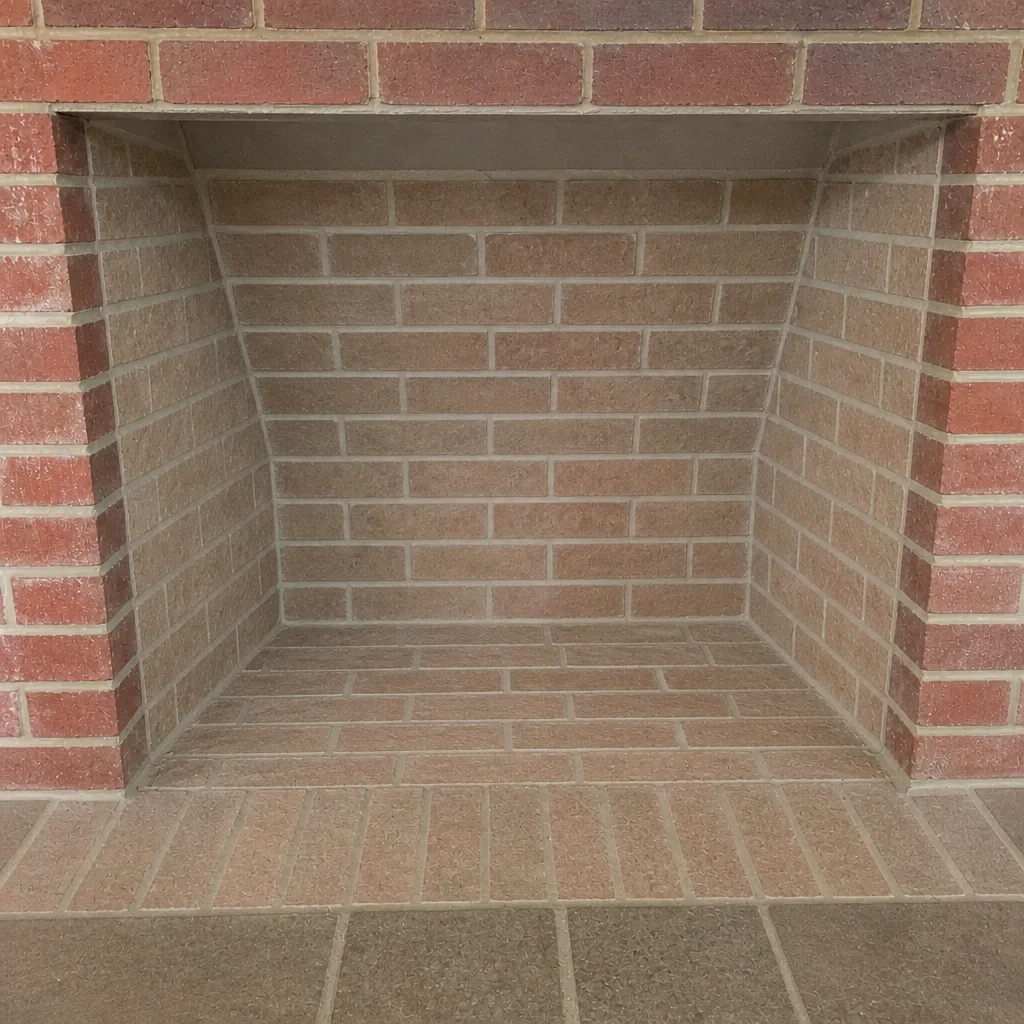
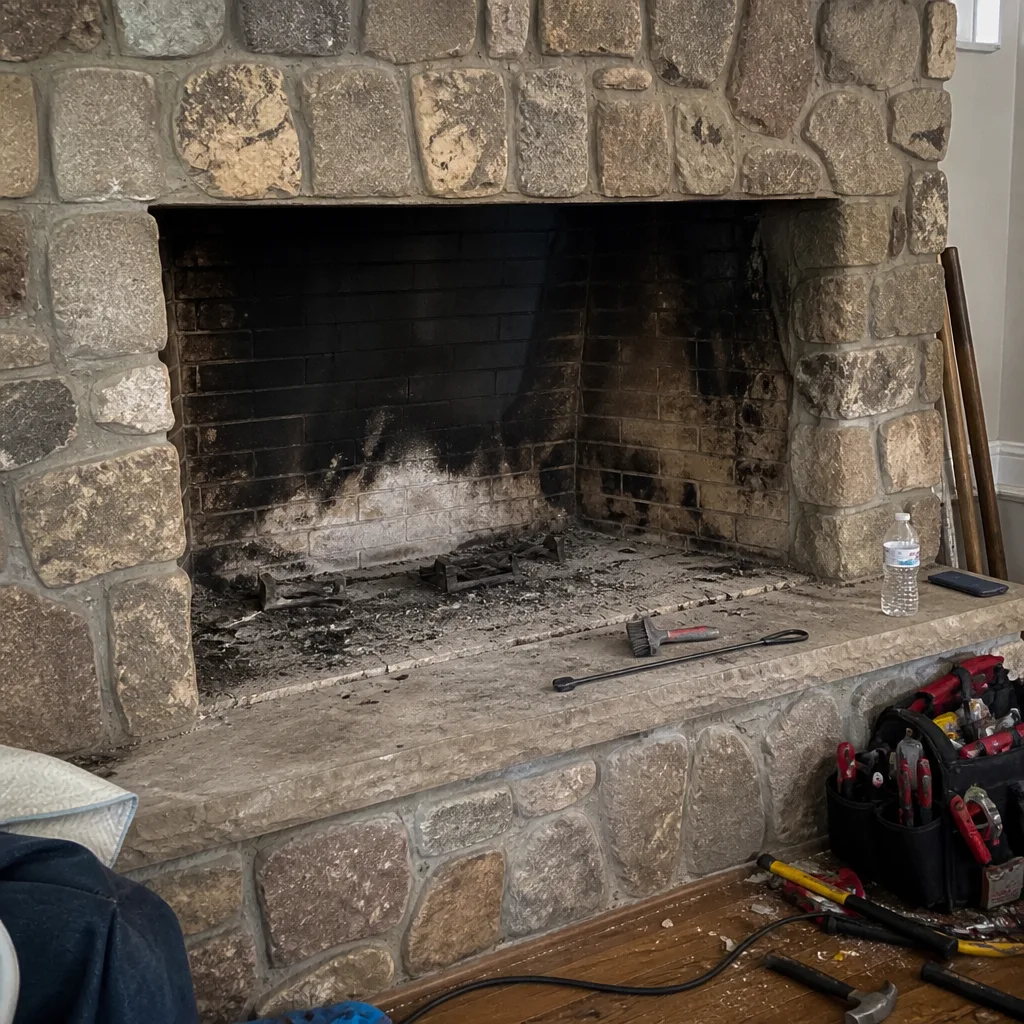
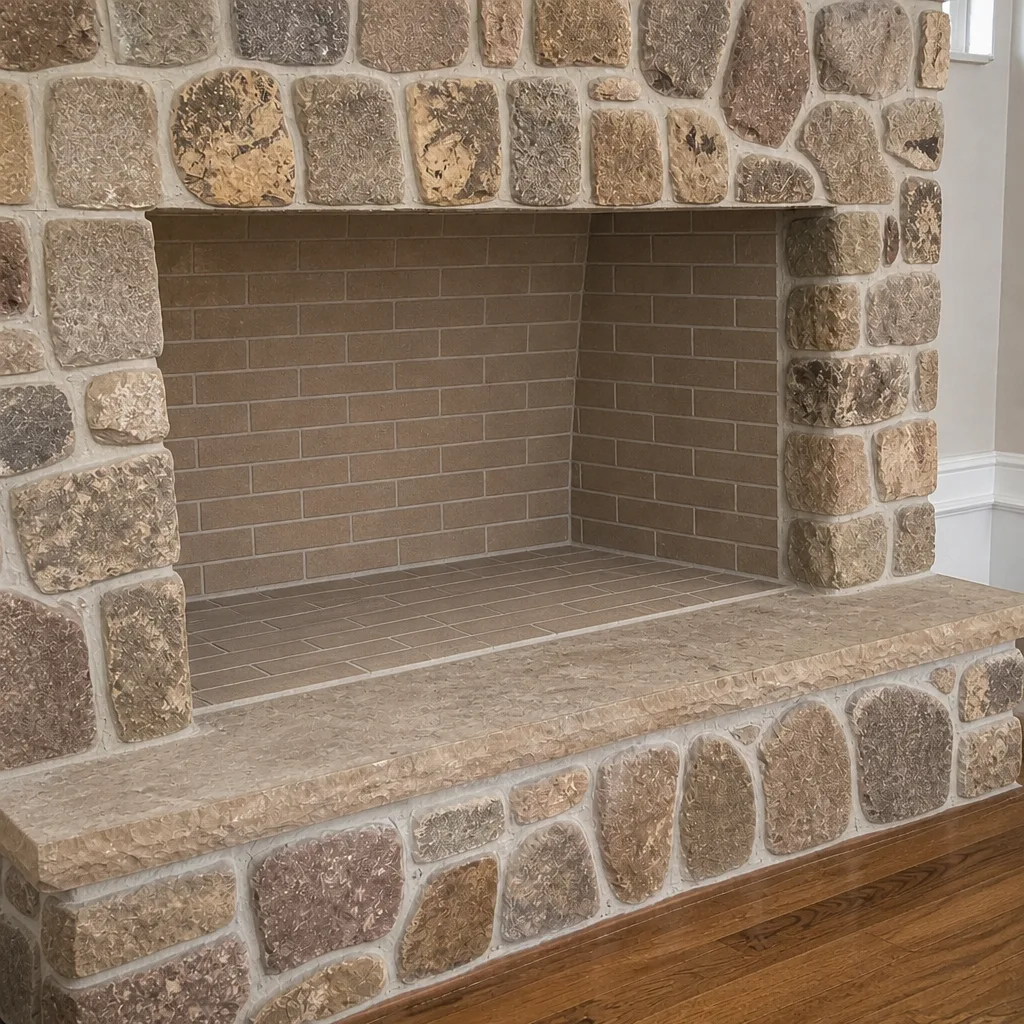
See the difference
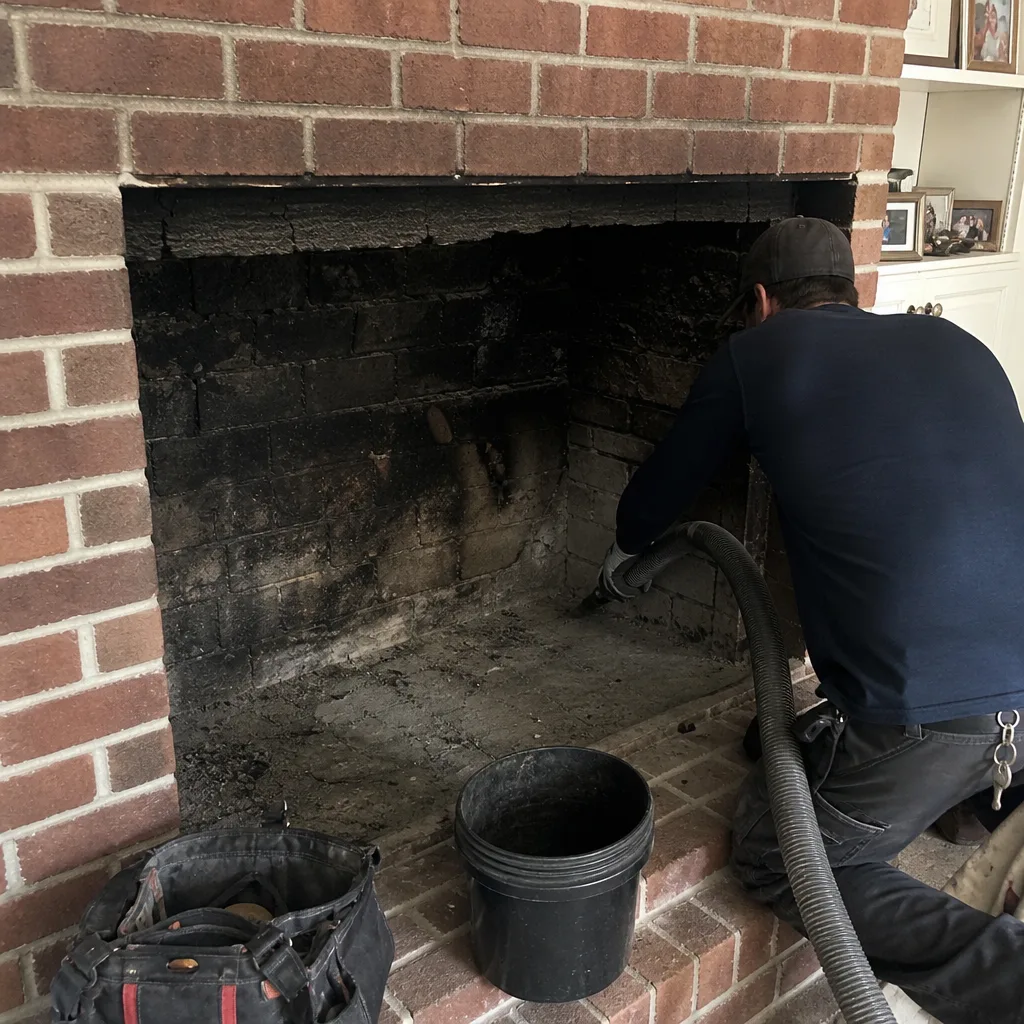 Before
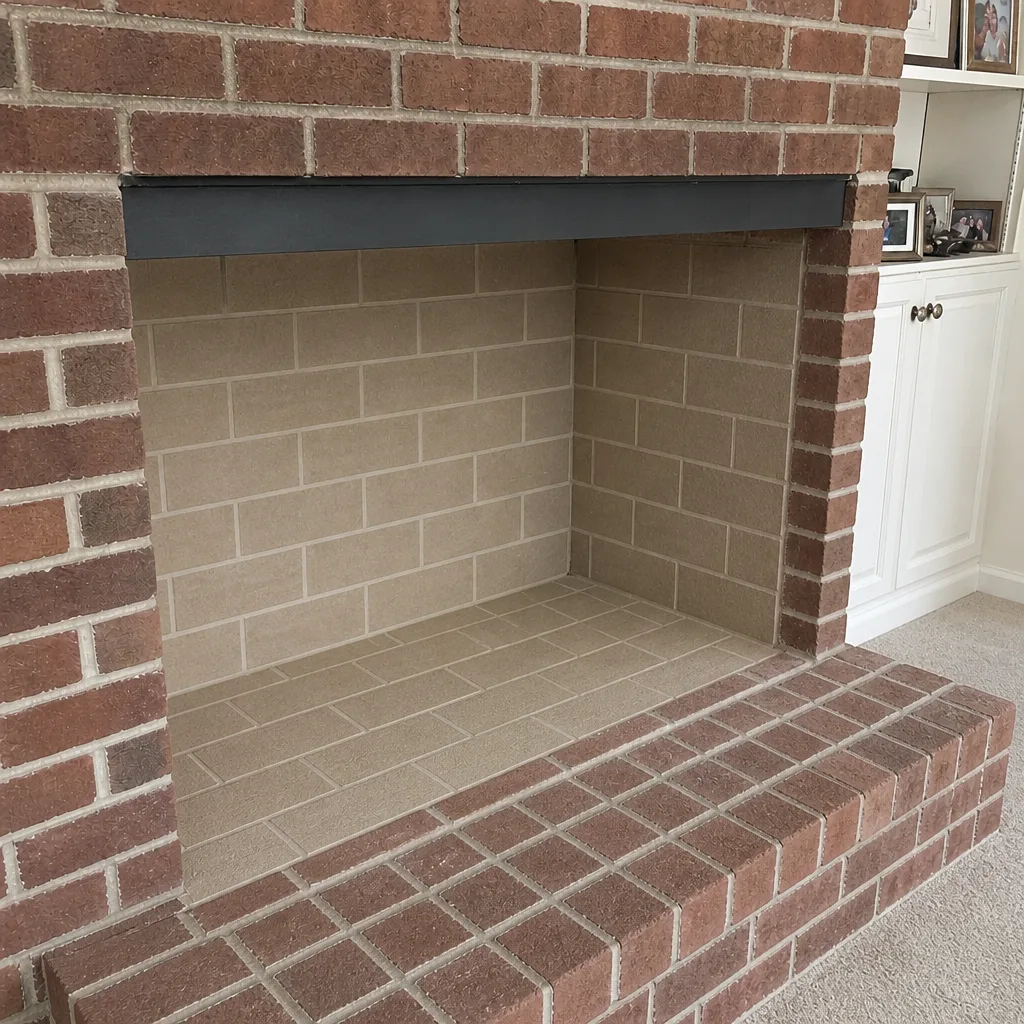 After
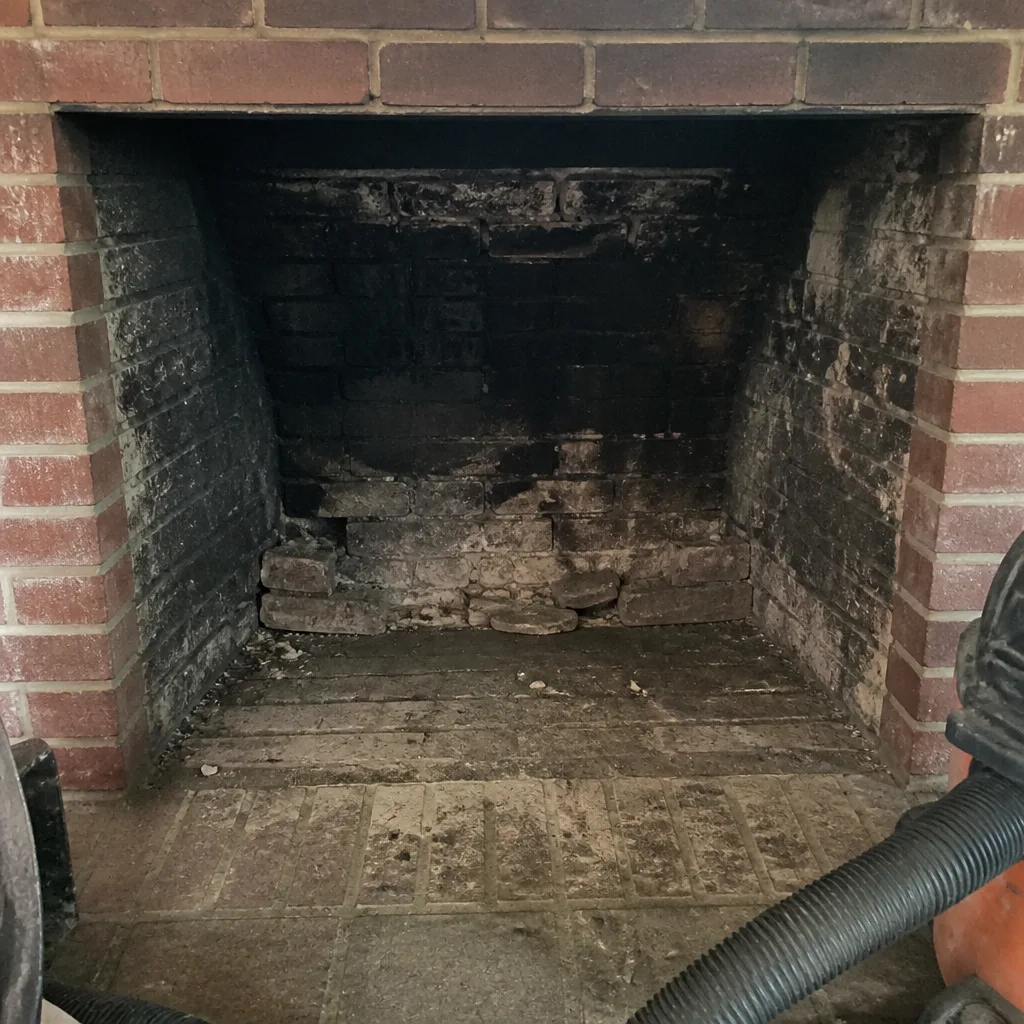 Before
 After
 Before
 After
When to Call a Professional
Call a professional when you see a sign from the “requires a professional tool set” list, or when anything on the emergency list comes up. Call us also for your annual sweep and inspection – it’s the one job in this guide that protects all the others. We handle cleaning, inspection, cap and crown installation, fireplace repair, and structural chimney repair under one company, so you’re not coordinating a sweep company and a mason and a roofer for the same chimney.
We work with professional-grade systems including DuraFlex, HeatShield, Gelco, Olympia Chimney, Famco, and Copperfield. If your liner has visible damage, a camera inspection and a photo report come with the visit. If the liner is sound, we say so. If a HeatShield restoration can save you a rebuild, we walk you through why. Chimney Sweep Adams Farm offers free estimates in Adams Farm – call (855) 812-5209. We answer 24/7. Fast dispatch from 7am to 7pm, Sunday through Friday.
Frequently Asked Questions
Once a year for a home that burns wood regularly, and once every two to three years for a gas fireplace that’s rarely used. The annual sweep is also when the inspection happens, so keeping the schedule is what catches liner issues before they become repairs. Call (855) 812-5209 to book a sweep and get an exact quote – estimates are free.
A standard sweep plus a Level 1 inspection usually runs in the $180 to $320 range for a wood-burning fireplace, with a Level 2 camera inspection adding to that. The written estimate sets the final price after we see the chimney. Call (855) 812-5209 for an exact quote – estimates are free.
Most minor liner damage can be restored rather than replaced. HeatShield flue liner restoration resurfacing works on cracks and joints that haven’t separated the tile, and it costs a fraction of a full reline. A camera inspection tells us which one you actually need. Call (855) 812-5209 to book the inspection.
Creosote builds up until it ignites, and small masonry cracks open enough for water to work into the wall cavity. Neither is dramatic at first. Both are much more expensive to solve after a season or two. Call (855) 812-5209 and we’ll look – estimates are free.
We don’t recommend it for anything porcelain-lined or glazed, which is most of what’s in Adams Farm homes. Improper rods can crack a clay tile joint, and hardware store brushes don’t remove glazed creosote. If you want to stay on top of buildup between professional visits, burn dry wood and watch the firebox walls for buildup. Call (855) 812-5209 if you’re seeing anything that worries you.
Yes – the cap and crown are where most regional water intrusion comes from. A properly installed cap from a line like Gelco or Famco keeps rain out of the flue and animals out of the chimney. A sloping, crack-free crown sheds water away from the masonry instead of into it. Call (855) 812-5209 for a free look at yours.
The Bottom Line
Chimney maintenance in Adams Farm isn’t the same as chimney maintenance in a national template. The local climate, the red clay soil, and the housing stock built here from the 1980s onward all change what you should check and when. The annual sweep and inspection is the anchor – book it in late summer, before the fall rush. Between visits, watch the crown, the flashing, and the mortar joints from the ground, keep an eye on smoke behavior and damper feel, and log what you see. Know which tasks are yours and which need a trained technician with the right tools. When something on the emergency list comes up, don’t wait for the calendar – call.
If you’re looking for one company to handle cleaning, inspection, cap and crown work, fireplace repair, and structural repair – that’s what we do. From the firebox to the crown, we handle it. For a deeper walk through the annual service itself, see our page on chimney sweep service, our fireplace repair page if the firebox is the concern, or our chimney cap & crown page if the top of the system is the story. And our main Chimney Sweep Adams Farm page covers the full service list.
To book a visit, call (855) 812-5209 for a free estimate. We answer 24/7. Fast dispatch from 7am to 7pm, Sunday through Friday.
Written by the team at Chimney Sweep Adams Farm.