
Last updated November 25, 2026
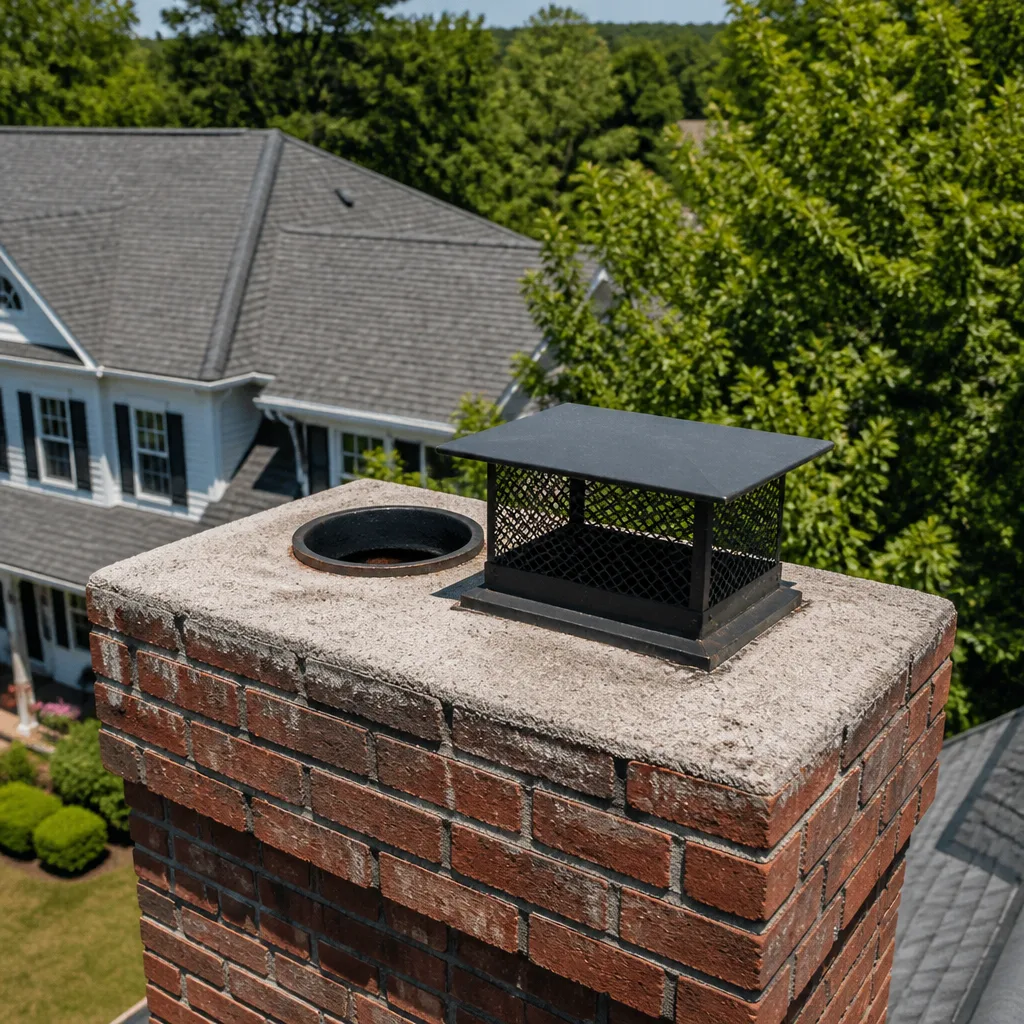 Sweep & inspection
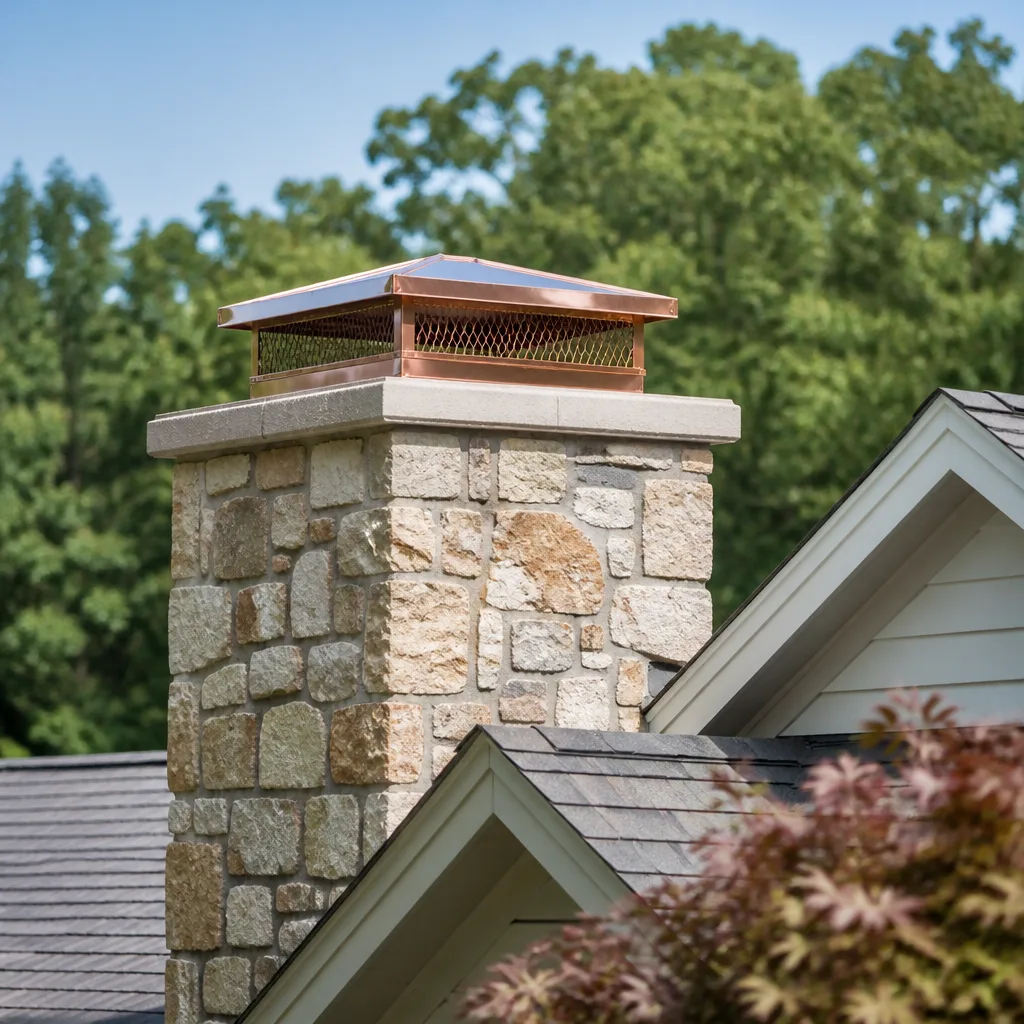 Caps & crowns
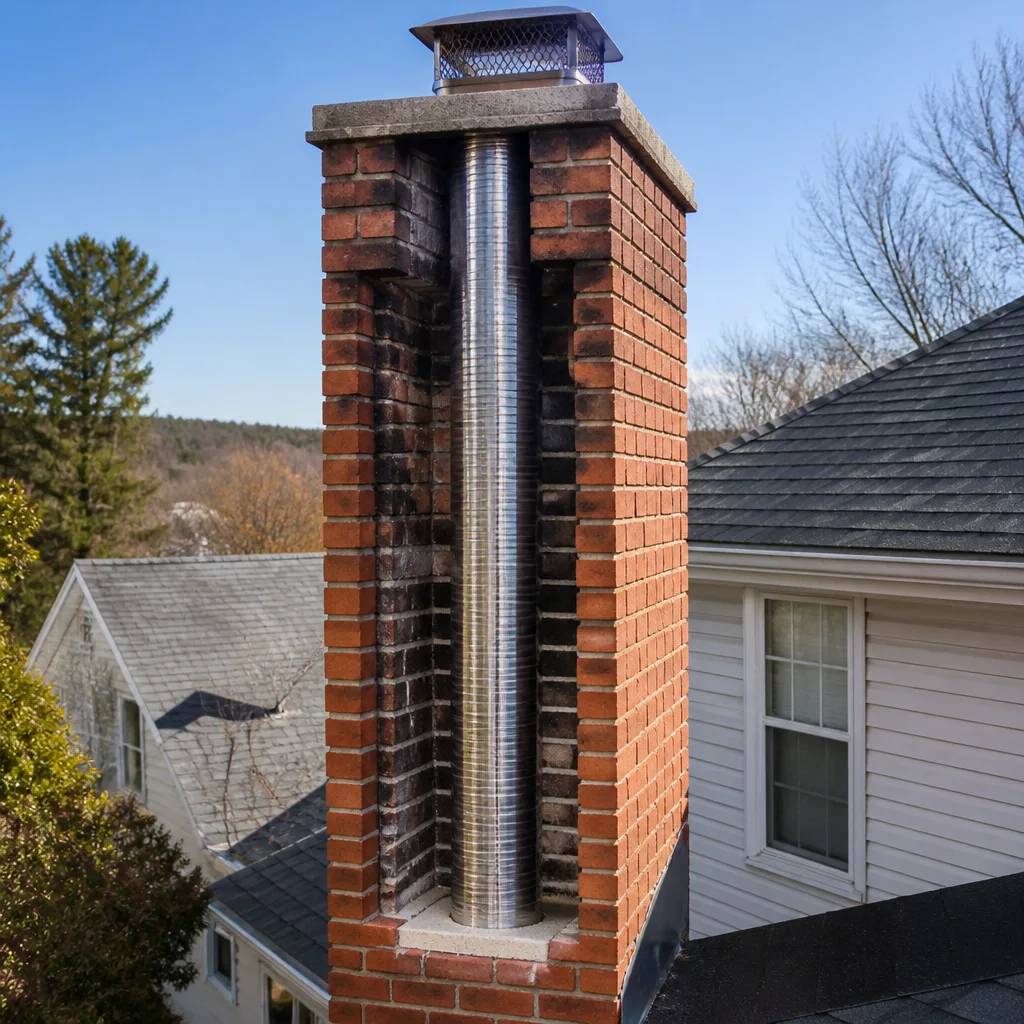 Flue relining
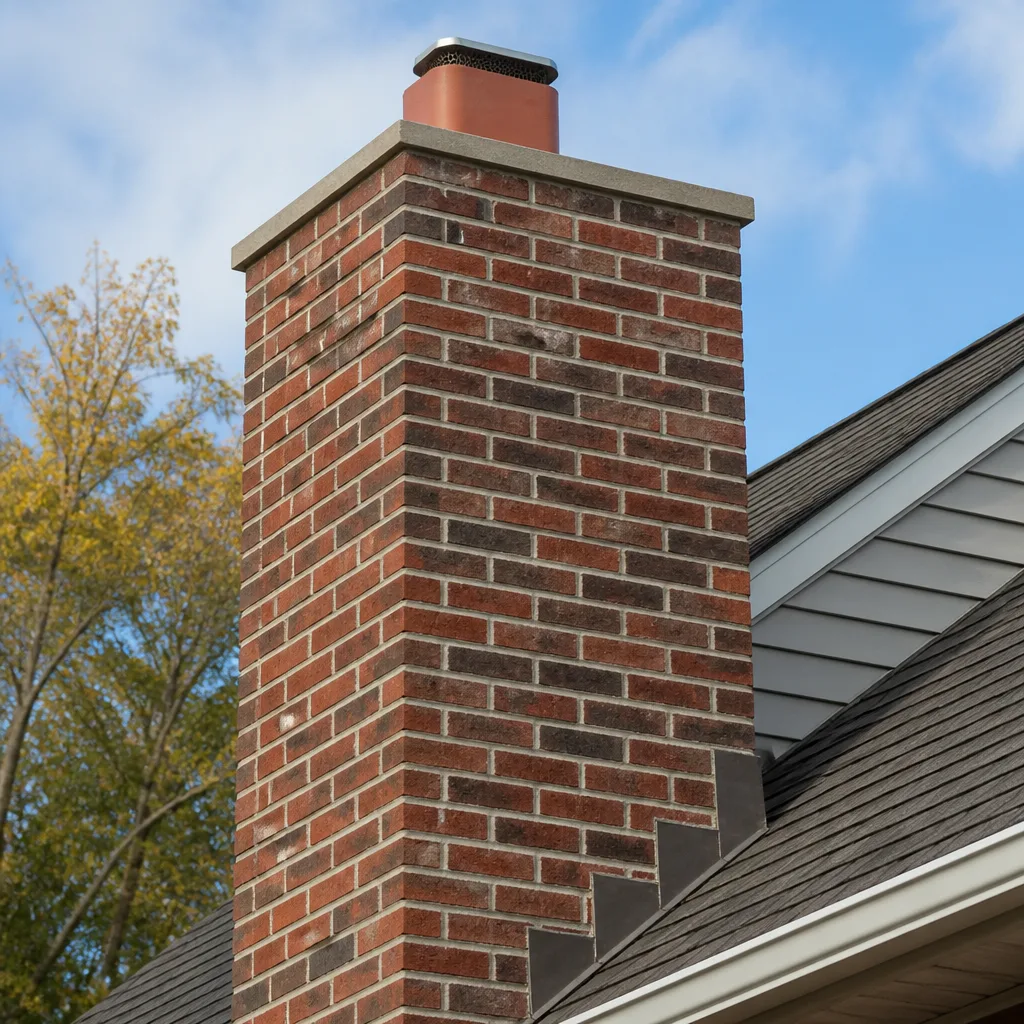 Masonry repair
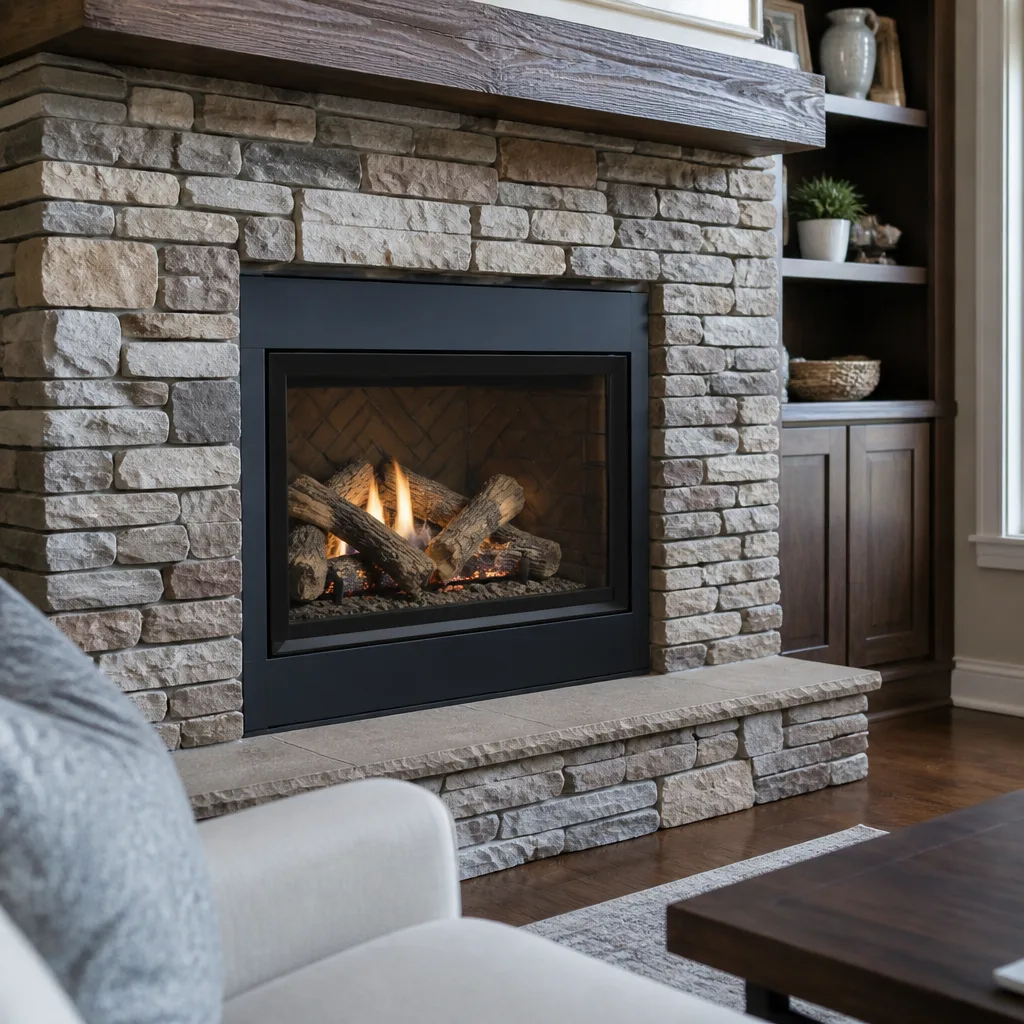 Gas fireplace service
Level 1 sweep and inspection to the NFPA 211 annual standard - flue, crown, cap, and flashing checked and photographed
Chimney sweep logs do not sweep chimneys. They loosen some creosote - which then falls where a brush and vacuum still have to collect it.
Chimney Cleaning Warning Signs: An Adams Farm Homeowner’s Reference Guide
A white stain running down brick isn’t cosmetic. It’s the chimney’s way of showing you exactly where water is moving through the masonry, and in Adams Farm’s humidity, that path gets worse every season it’s ignored. Most of the signals that a chimney needs attention are visible to you, right now, without a ladder and without any special tools. The problem is that most homeowners don’t know what they’re looking at. A rusted cap looks like a rusted cap. A musty smell in July smells like a musty smell. This guide pairs each warning sign with a plain explanation of what’s likely causing it and how urgently it usually needs a response. By the end, you’ll know which signs mean stop using the fireplace today and which ones can wait for a scheduled appointment.
Quick Answer
The most important chimney cleaning warning signs in Adams Farm are white efflorescence staining on exterior brick, spalled or flaking masonry, a cracked crown, rusted caps or flashing, smoke rolling back into the room, an oily black stain at the top of the firebox, a musty summer odor, and animal noises coming from the flue. Signs that mean stop using the fireplace immediately include smoke rollout with a strong creosote smell, visible soot falling into the firebox, and any sign of animal nesting in the flue. Everything else can typically wait for a scheduled service call.
Styles & brands we work with
- Sweep & inspection
- Caps & crowns
- Flue relining
- Masonry repair
- Gas fireplace service
Table of Contents
- Exterior Warning Signs: What the Outside of Your Chimney Is Telling You
- Interior Fireplace Signals: Reading the Firebox and Smoke Behavior
- Odor Signals in Adams Farm’s Humidity: Musty vs. Acrid
- Sounds and Performance Changes: Categorized by Urgency
- When to Stop Using the Fireplace Immediately
- Signs That Can Wait for a Scheduled Appointment
- What a Professional Inspection Actually Looks For
- Seasonal Timing in Adams Farm: When to Book Your Cleaning
Exterior Warning Signs: What the Outside of Your Chimney Is Telling You
The exterior of your chimney is a diagnostic surface. Every stain, crack, and flake of masonry tells you something specific about what’s happening inside the structure. In Adams Farm, where summer humidity stays high for months and winter brings repeated freeze-thaw cycles, the exterior takes a beating that shows up in predictable patterns. Here’s what to look for and what each sign points to.
White Staining (Efflorescence)
That chalky white residue on brick is called efflorescence. It happens when water moves through the masonry, dissolves minerals from the brick and mortar, and then evaporates on the surface, leaving the minerals behind. Efflorescence itself is harmless to touch, but it’s a reliable indicator that water is entering the chimney somewhere above the visible stain. The source is usually a failed crown, a cracked mortar joint, or missing flashing at the roofline. If you see efflorescence on the exterior of a chimney in Adams Farm, water is actively moving through the masonry.
Spalling Brick
Spalling is when the face of a brick flakes off or pops away from the body. It’s what happens after years of water absorption and freeze-thaw cycling. Once a brick spalls, the interior of the brick is exposed and absorbs water even faster. Spalling brick on a chimney is a structural warning, and it typically requires masonry repair rather than cleaning alone.
Crown Cracks
The crown is the concrete or mortar cap at the very top of the chimney. It sheds water away from the flue and the brick below. Hairline cracks are common as the crown ages, but any crack wide enough to catch a fingernail is letting water in. If you look at the crown and see a crack running across it, water is entering the chimney. Caps and crowns are the leading cause of water damage we see in Adams Farm, and they’re fixable before interior damage happens.
Rusted Cap or Flashing
A rusted chimney cap has lost its ability to shed water and block animals. Rust also means the cap has been wet for a long time, which often means the crown beneath it is wet too. Rusted flashing at the roofline is a related signal. Flashing is the metal that seals the gap between the chimney and the roof, and when it rusts through, water gets into the attic and ceiling below. Both are exterior signs that point to water intrusion or animal entry.
Interior Fireplace Signals: Reading the Firebox and Smoke Behavior
Inside the house, the fireplace and the firebox surface give you a second set of diagnostic signals. These are easy to check without any equipment, and they tell you what’s happening in the flue before you ever light a fire.
- Smoke rollout: Smoke that spills into the room instead of going up the flue points to a blockage, a cold flue, or a draft problem. A cold flue is normal on the first fire of the year, but rollout that continues after ten minutes is a warning sign.
- Slow draft: Fires that struggle to catch, or that burn with a lazy flame and lots of smoke, indicate restricted airflow through the flue. That restriction is usually gradual soot or creosote buildup, but sometimes a bird nest or debris.
- Oily black staining: A black, glossy stain at the top of the firebox or on the open fireplace opening is creosote. Creosote is the residue that builds up as wood smoke cools in the flue, and it’s the primary reason chimneys need sweeping.
- White haze on firebox walls: A powdery white haze inside the firebox often points to water getting into the masonry or to a reaction between moisture and the firebox materials. It’s less urgent than creosote, but it’s worth checking alongside the exterior signs.
- Broken or crumbling firebrick: Cracked firebrick on the walls of the firebox allows heat to reach the metal or masonry behind it, which is a fire hazard. This is a repair, not a cleaning issue.
If you’re seeing smoke rollout at your fireplace, a chimney sweep will typically find the cause during a routine visit. The team at Chimney Sweep Adams Farm can assess the firebox and flue in a single visit.
Odor Signals in Adams Farm’s Humidity: Musty vs. Acrid
Adams Farm’s summers are long, humid, and warm. A chimney that’s been closed up all summer draws moisture from the air around the house, and that moisture interacts with soot, creosote, and masonry in ways that create distinctive smells. The two most common odors mean very different things.
A musty, damp, or earthy smell that shows up in summer and gets stronger on humid days is a moisture signal. It usually means water is entering the chimney, the crown or cap has failed, or the flue is staying damp because it lacks a proper cap. Musty odors often pair with efflorescence on the exterior. In the dampest months, a musty chimney is telling you it’s holding water.
An acrid, sharp, or smoky smell that shows up when it’s hot and humid outside, or when you run a bath or the clothes dryer, is a creosote signal. It indicates that the flue buildup is thick enough to off-gas at room temperature. That sharp smell means your chimney is overdue for cleaning, and it can become a fire hazard if the creosote builds up further. It’s the same buildup that produces an oily black stain inside the firebox.
Both odors warrant a visit, but they require different responses. The musty smell points to a moisture fix, while the acrid smell points to a cleaning. In our experience, an inspection identifies which one you’re dealing with in minutes.
Sounds and Performance Changes: Categorized by Urgency
Changes in how your fireplace sounds and performs often come on gradually, which makes them easy to overlook. Here’s how to sort those changes by urgency.
Urgent: Stop Using the Fireplace
- Scratching, chirping, or flapping sounds: Animals in the flue is a stop-use signal. Birds, squirrels, and raccoons are common in Adams Farm’s tree-heavy neighborhoods, and a blocked flue can push smoke and carbon monoxide into the house.
- Loud popping or crackling that doesn’t come from the fire: This can indicate spalling brick inside the firebox or a failing firebrick. Stop using the fireplace and get it checked before the next burn.
- Loud whooshing or roaring that’s out of proportion to the fire: This can signal a creosote fire in the flue. At the first sign, close the damper and evacuate the house, then call the fire department.
Soon: Schedule a Service Call
- Difficulty starting or maintaining a fire: Usually points to a draft problem or buildup. Not urgent, but the fireplace is working less efficiently and safely than it should.
- Smoke smell lingering in the room after the fire is out: The flue is pulling poorly or the damper is sealing badly.
- More smoke from the fire than usual: A gradual increase in smoke usually tracks with buildup.
Monitor: Note It and Check Next Time
- Slight increase in soot on the glass door: Soot accumulates over the season. Watch for sudden changes rather than steady accumulation.
- A light musty smell on the first cool day: Sometimes the chimney is just going through a seasonal shift. If it persists, schedule a service call.
When to Stop Using the Fireplace Immediately
Some signs mean stop. Using the fireplace with any of these signals risks pushing smoke, creosote, or carbon monoxide into your home. If you see any of these, close the damper, put out the fire, and call for an inspection before you burn again.
- Smoke rolling into the room with a strong chemical or creosote smell. This is a flue blockage signal or a fire risk signal. Either way, stop using the fireplace.
- Visible soot or debris falling into the firebox. Something in the flue is failing or has already failed.
- Animal sounds in the flue. A blocked or occupied flue is a carbon monoxide hazard. Stop burning and call a professional.
- Glowing or sparks visible above the firebox. This can indicate a fire in the flue itself. Evacuate and call the fire department immediately.
- Cracked firebrick with visible gaps. Heat can reach the structure behind the firebox. Stop burning until it’s repaired.
- Any carbon monoxide alarm near the fireplace. Leave the house, ventilate, and call the fire department before doing anything else.
Carbon monoxide is colorless and odorless, which is why the alarm matters more than any visual sign. If your alarm goes off, that’s the highest priority signal on this list.
Signs That Can Wait for a Scheduled Appointment
Not every warning sign is an emergency. Many of the signs above are the chimney telling you it’s time for service, not that it’s about to fail. These can wait for a scheduled appointment without any risk.
- Efflorescence on the exterior brick without evidence of interior water damage. The chimney has a water path, but it isn’t flooding the house.
- Hairline cracks in the crown. Worth repairing before the next season, but not a fire risk.
- A rusted cap that’s still shedding water and blocking animals. Plan a replacement before the next rainy season.
- An oily black stain inside the firebox with no other symptoms. It’s creosote buildup that warrants a cleaning, not an emergency.
- An acrid smell in summer with no other symptoms. The flue is overdue for cleaning, but you’re not burning fires in July.
- Difficulty lighting fires or a slow draft in the shoulder season. Schedule the cleaning before the first cold snap.
- A musty smell that comes and goes with the weather. Plan a Chimney Sweep Adams Farm visit to inspect for water entry.
The key distinction is whether the signal indicates an active hazard or a slow-moving maintenance issue. Slow-moving issues are best handled before the heating season, when the schedule is open and the work can be done properly.
What a Professional Inspection Actually Looks For
A chimney inspection is a systematic check of the whole system, from the firebox to the crown. Here’s what a thorough visit covers, in order.
- Exterior walk-around: Check the crown, cap, flashing, masonry joints, and any staining on the brick. This is where efflorescence and spalling show up first.
- Firebox and damper check: Look for cracked firebrick, a damaged damper, and creosote staining at the top of the opening.
- Flue sweep: A proper chimney sweep removes soot and creosote from the flue walls using the right brushes for the flue type.
- Flue and cap inspection: Check the flue liner for cracks, gaps, and deterioration. A chimney cap & crown installation is often recommended at this stage if the cap is missing or failing.
- Draft test: Verify that the flue is pulling air properly and that there are no hidden blockages.
- Written report: Any issues found are noted along with an explanation of what needs fixing and how urgent each item is.
For liner issues, HeatShield can resurface a damaged flue without a full rebuild. That’s a meaningful difference in cost and disruption, and it’s one of the reasons we keep professional-grade systems on hand rather than recommending a full tear-out as a first option. For more involved repairs, a licensed local pro can handle fireplace repair when the fireplace repair goes beyond cleaning.
Seasonal Timing in Adams Farm: When to Book Your Cleaning
The best time to book a chimney cleaning in Adams Farm is late summer or early fall, before the first cool evening pushes everyone indoors and before the heating season begins. Adams Farm’s climate means the fireplace sits unused for months, then gets regular use from November through February. Any buildup from the prior season has had all summer to sit in the humid air, curing further and getting harder to remove.
A cleaning in August or September catches those problems before they become a winter emergency. It also gives time for repairs to be completed without a rush. If a liner is found to be compromised, a DuraFlex liner system can be installed with proper venting for wood, gas, or oil appliances, and the work can be scheduled without the pressure of a cold snap. If your cap or crown needs replacement, Olympia Chimney and Famco components are part of what we stock, so the repair can often be handled on the same visit as the inspection.
If you’re not sure whether your chimney needs a cleaning this year, a single visit for a sweep and assessment will tell you exactly where things stand. We don’t recommend work that isn’t needed, and we won’t tell you to replace something that can be resurfaced or repaired. One company, every part of your chimney system.
Common Mistakes to Avoid
- Assuming a missing cap is only an animal problem. A missing cap is also the leading path for water entry. Every rainstorm sends water down the flue, and repeated soaking leads to efflorescence, spalling, and eventually a damaged liner.
- Treating efflorescence as cosmetic. White staining is a reliable indicator that water is moving through the masonry. Painting over it traps the water and makes the underlying damage worse.
- Ignoring the musty smell in summer. In Adams Farm’s humidity, a persistent musty smell usually means the chimney is holding water. It’s cheaper to fix the source in July than to repair the masonry in November.
- Burning softwood or green wood to save money. Green wood and softwoods produce more creosote. If the chimney already shows an oily black stain, the firewood is part of the problem.
- Skipping the sweep because the fire still draws. A fireplace can pull well with significant buildup in the flue. Draft is not a reliable test of cleanliness, which is why the annual sweep matters.
- Cleaning only the firebox and skipping the flue. The creosote that causes chimney fires lives in the flue, not the firebox. A firebox-only cleaning doesn’t address the risk.
- Calling only when there’s a problem. The chimney gives off warning signs long before something fails. An annual sweep and inspection catch those signals early, while the fix is still small.
See the difference
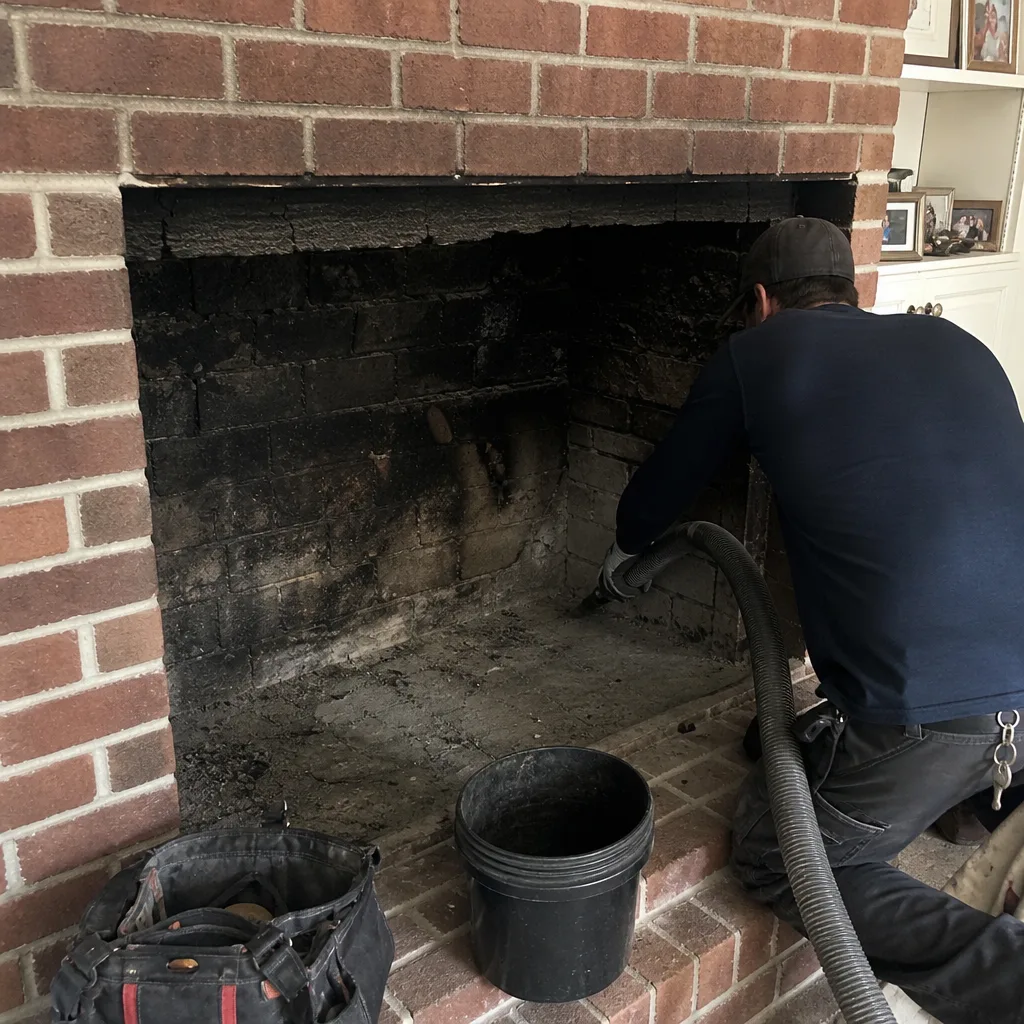 Before
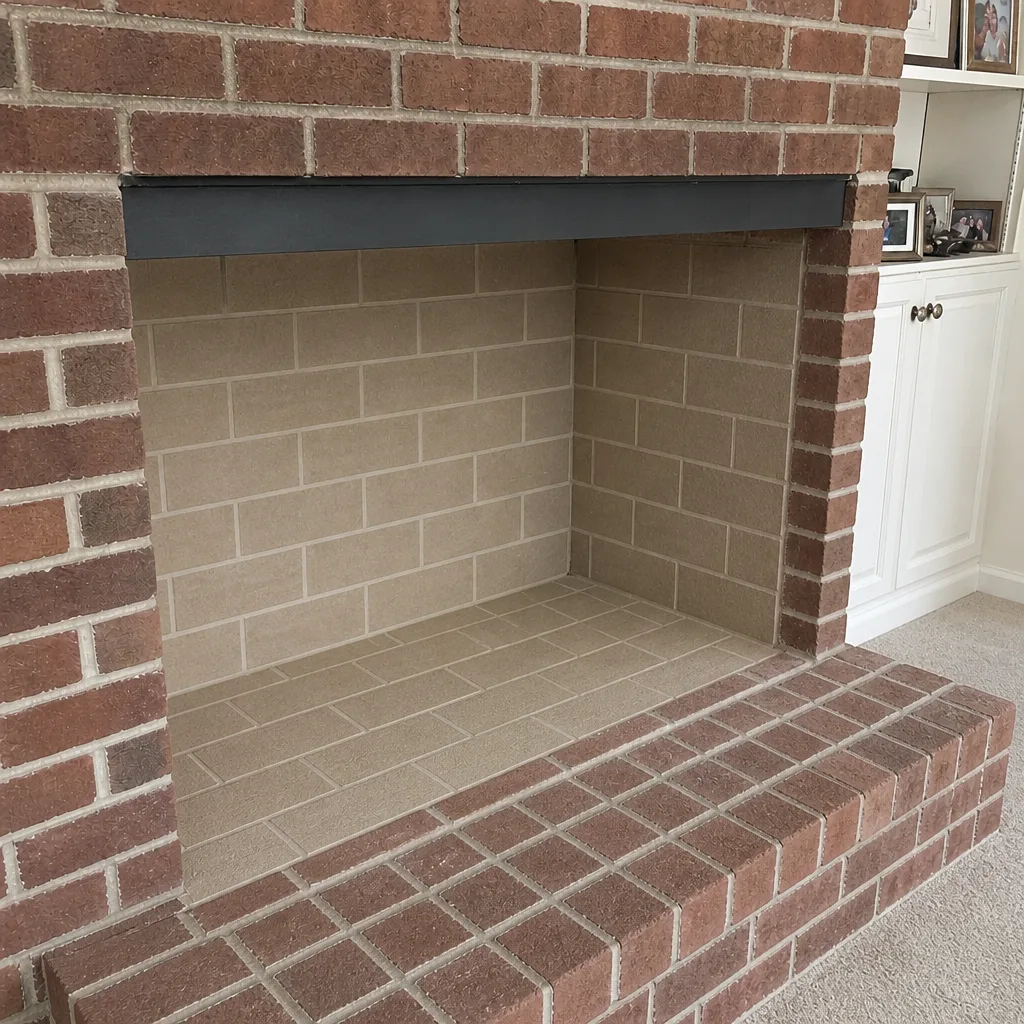 After
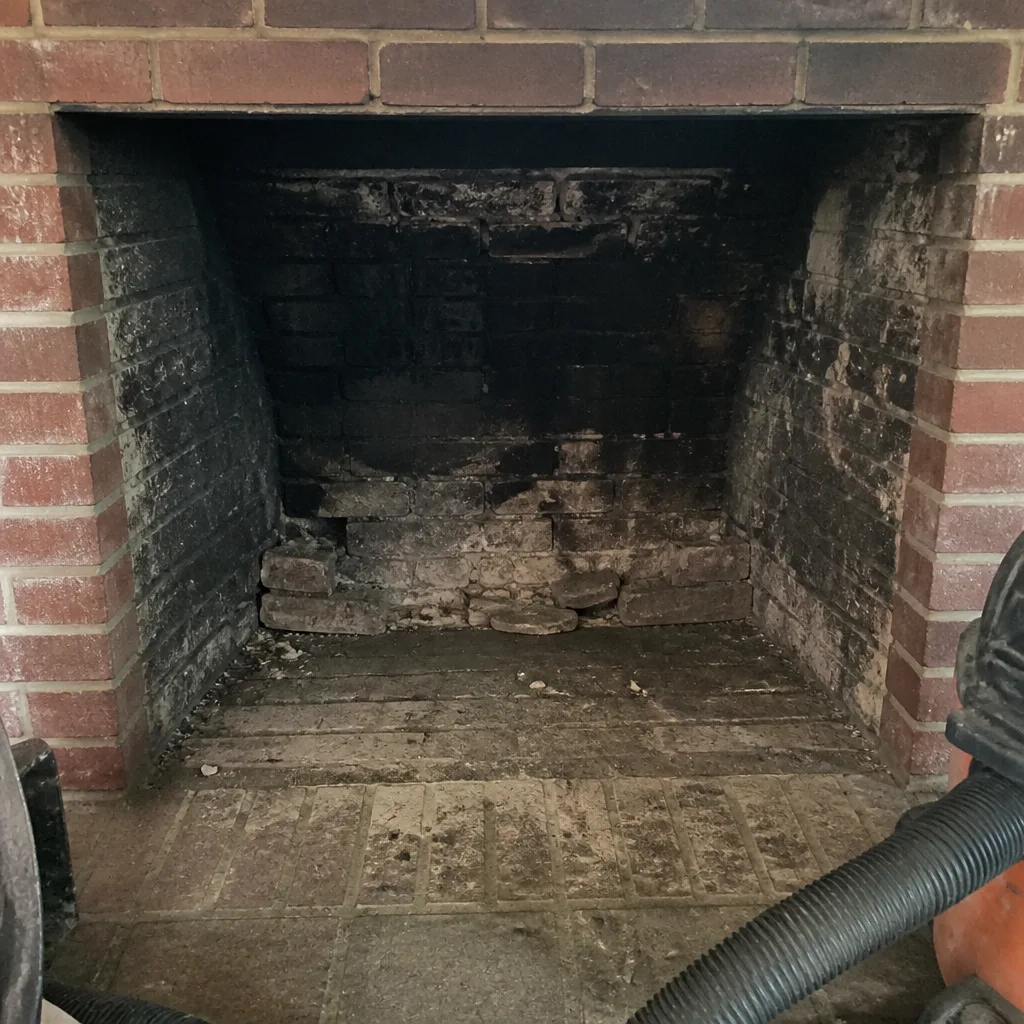 Before
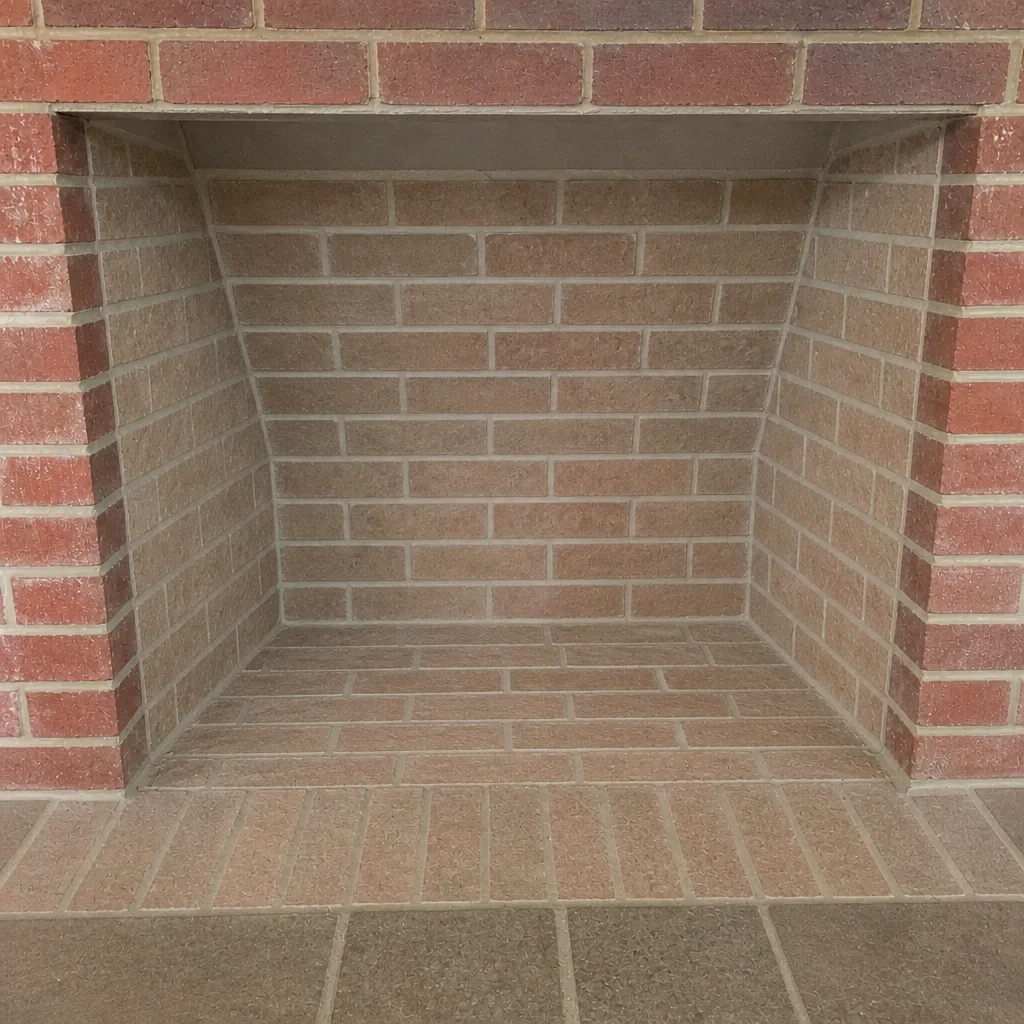 After
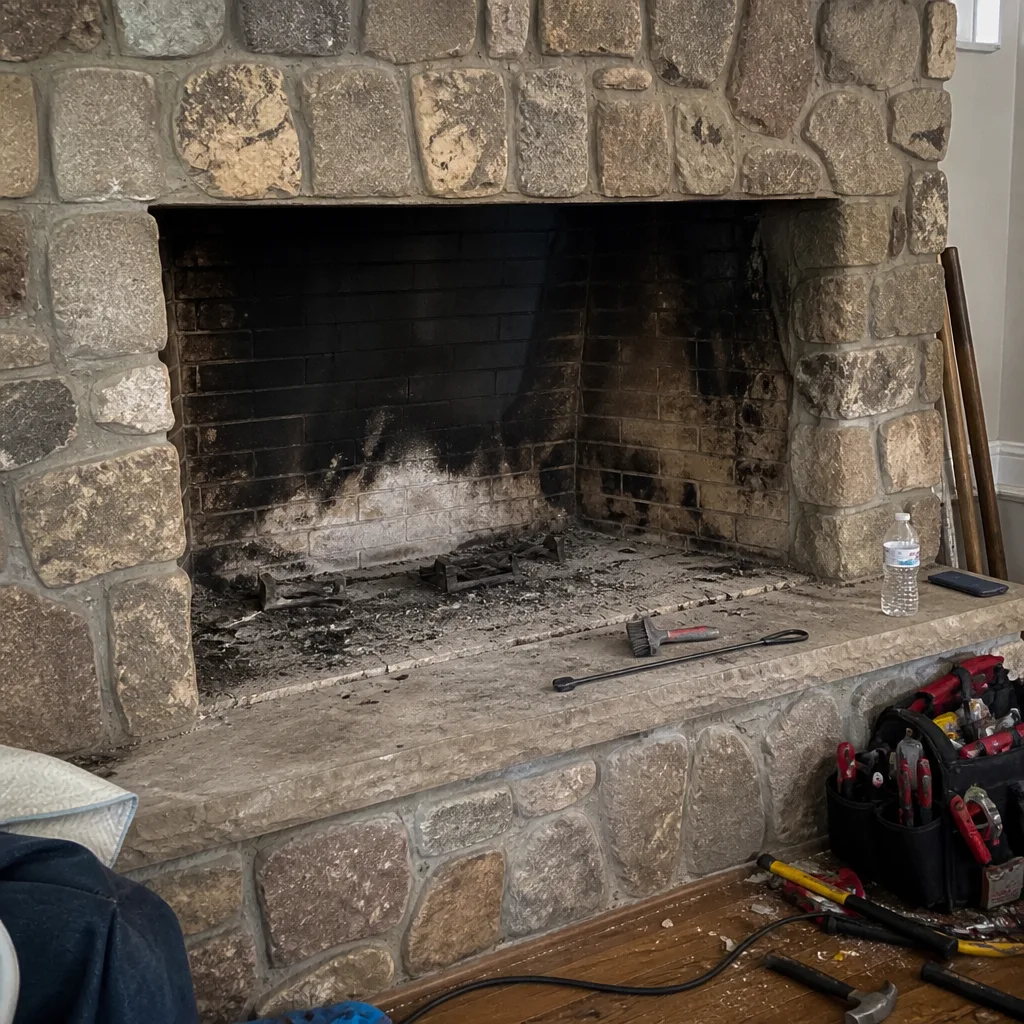 Before
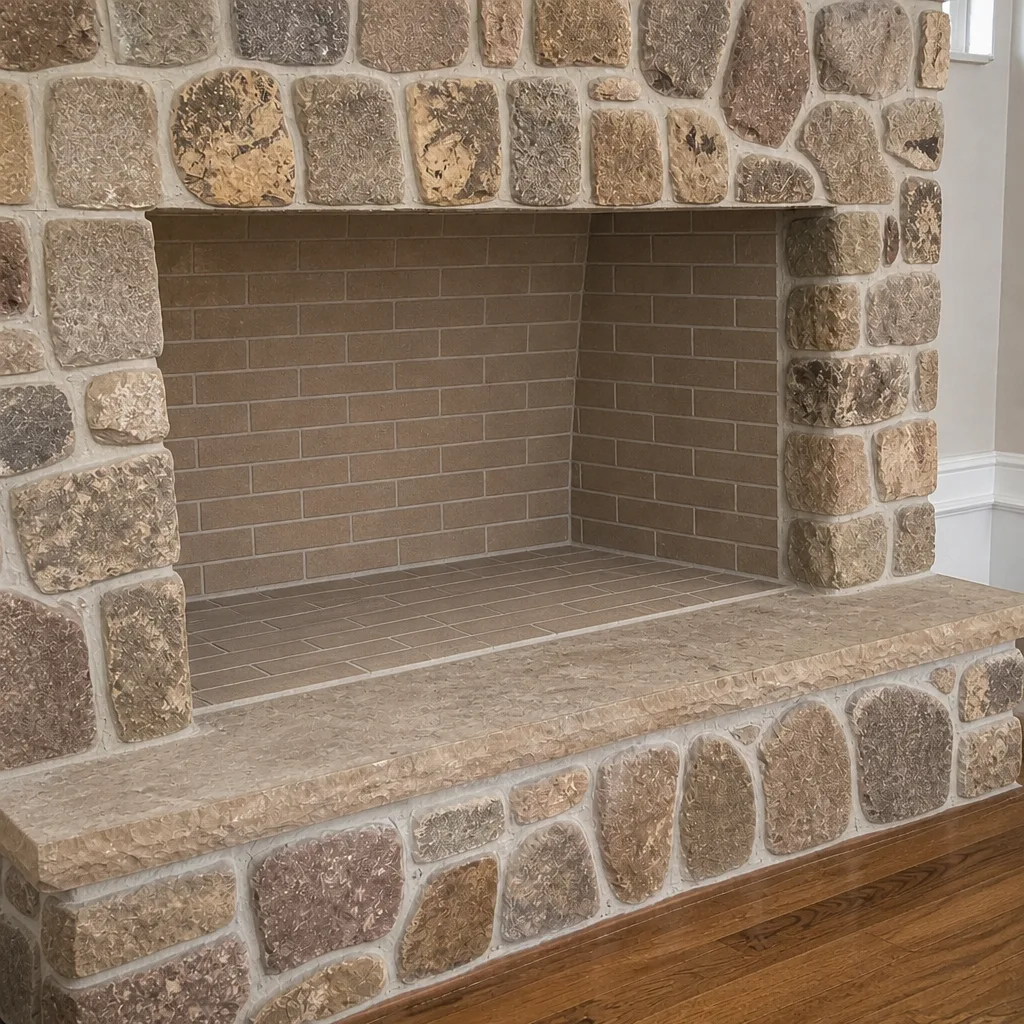 After
When to Call a Professional
Call a professional when you see any stop-use signal: smoke rolling into the room, visible soot falling into the firebox, animal sounds in the flue, or a carbon monoxide alarm. Call us when you see any of the soon-or-monitor signals, including an oily black stain in the firebox, a persistent musty smell in summer, or a flue that’s increasingly hard to start. Call us before the heating season even if nothing looks wrong. A single visit for a sweep and assessment is the most reliable way to know whether your chimney needs work and what kind. Chimney Sweep Adams Farm offers free estimates in Adams Farm. Call (855) 812-5209 for an appointment. We answer 24/7. Fast dispatch from 7am to 7pm, Sunday through Friday. Our technicians have up to 15 years of experience, and every job comes with a written report of what we find and what it actually needs.
Frequently Asked Questions
A wood-burning chimney in Adams Farm should be swept once a year, ideally in late summer or early fall before the heating season. If you burn fires several times a week through the winter, the flue can accumulate enough creosote to warrant a cleaning sooner. An annual sweep is the standard recommendation for a reason: it catches buildup before it becomes a fire hazard.
The most common warning signs are an oily black stain at the top of the firebox, a slow draft or difficulty starting fires, a musty or acrid smell from the fireplace, and visible soot or debris in the firebox. On the exterior, white efflorescence, spalling brick, and a cracked crown all point to water entering the masonry. Any of these signs is a good reason to schedule a sweep and assessment.
Yes, in most cases, if the interior firebox and flue look normal and there are no stop-use signs. White staining indicates water is moving through the masonry, not that the flue is unsafe to use. Still, water in the masonry degrades the chimney over time, so the source should be found and fixed before the next season. An inspection will identify whether the cause is the crown, the cap, or the flashing.
A musty smell usually means the chimney is holding moisture and not venting correctly. In Adams Farm’s humid summers, a chimney with a failed cap or crown can absorb water from the surrounding air, which then interacts with soot and masonry to create that damp smell. The fix is to find and seal the water path, then let the chimney dry out before the heating season.
Stop using the fireplace immediately if smoke rolls into the room with a strong chemical smell, if you see visible soot or debris falling into the firebox, if you hear animal sounds in the flue, or if a carbon monoxide alarm near the fireplace goes off. These are active hazard signals, not maintenance reminders. Close the damper, put out the fire, and call a professional before burning again.
Light whistling or humming in strong wind is normal. Rattling, flapping, or scratching sounds from the flue are not. Those sounds usually mean a loose or missing cap or animals nesting in the chimney. If the sounds are paired with slow draft or smoke rollout, it’s a stop-use situation until a professional can check it.
The Bottom Line
Most chimney problems in Adams Farm are visible before they become serious, but only if you know what you’re looking for. White staining, spalling brick, and crown cracks are the exterior telling you water is entering the system. Oily black staining, slow draft, and a musty summer smell are the interior telling you cleaning or repair is due. Stop using the fireplace if smoke rolls into the room, soot falls into the firebox, animals are in the flue, or the carbon monoxide alarm sounds. Everything else can wait for a scheduled sweep and inspection, ideally before the first cool evening of the season.
Call (855) 812-5209 for a free estimate. We answer 24/7. Fast dispatch from 7am to 7pm, Sunday through Friday. We’ll tell you what we find and what it actually needs – no pressure, no guesswork.
Written by the team at Chimney Sweep Adams Farm.