
Last updated November 25, 2026
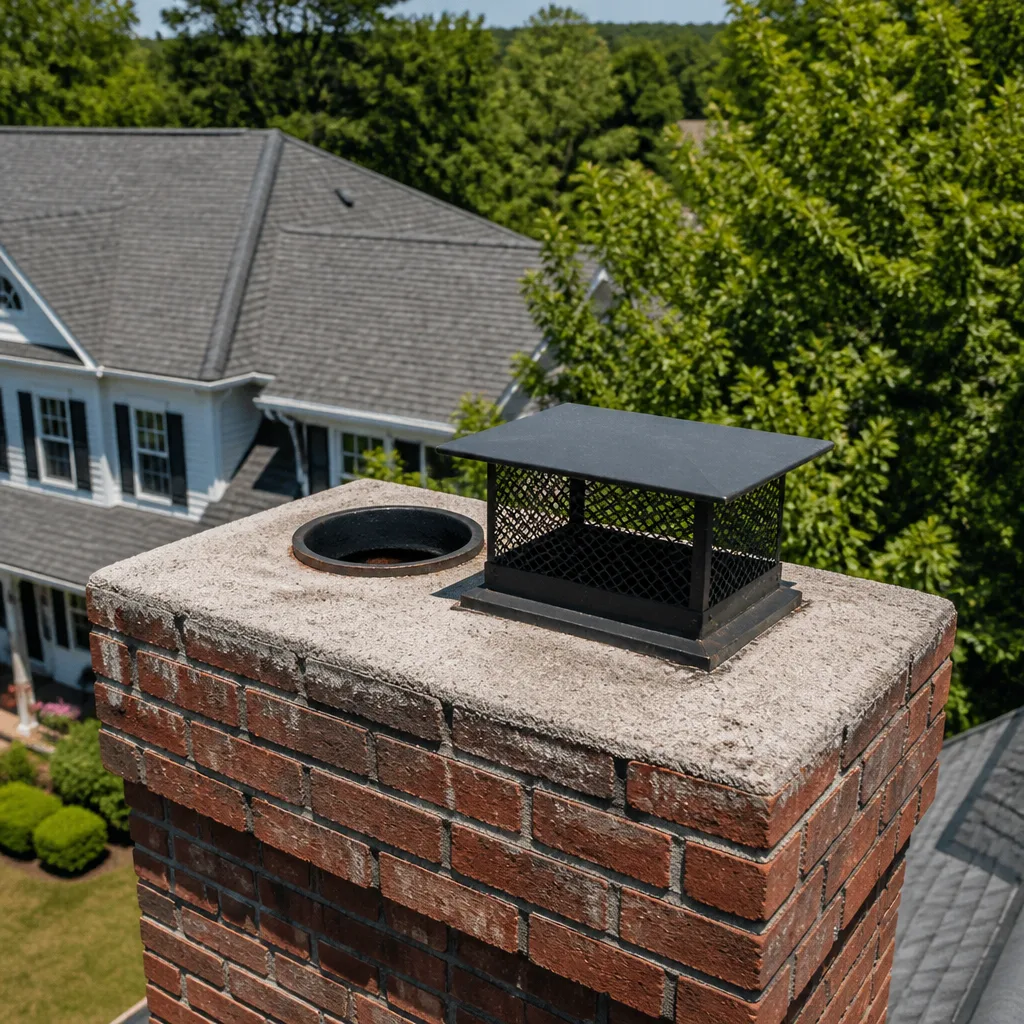 Sweep & inspection
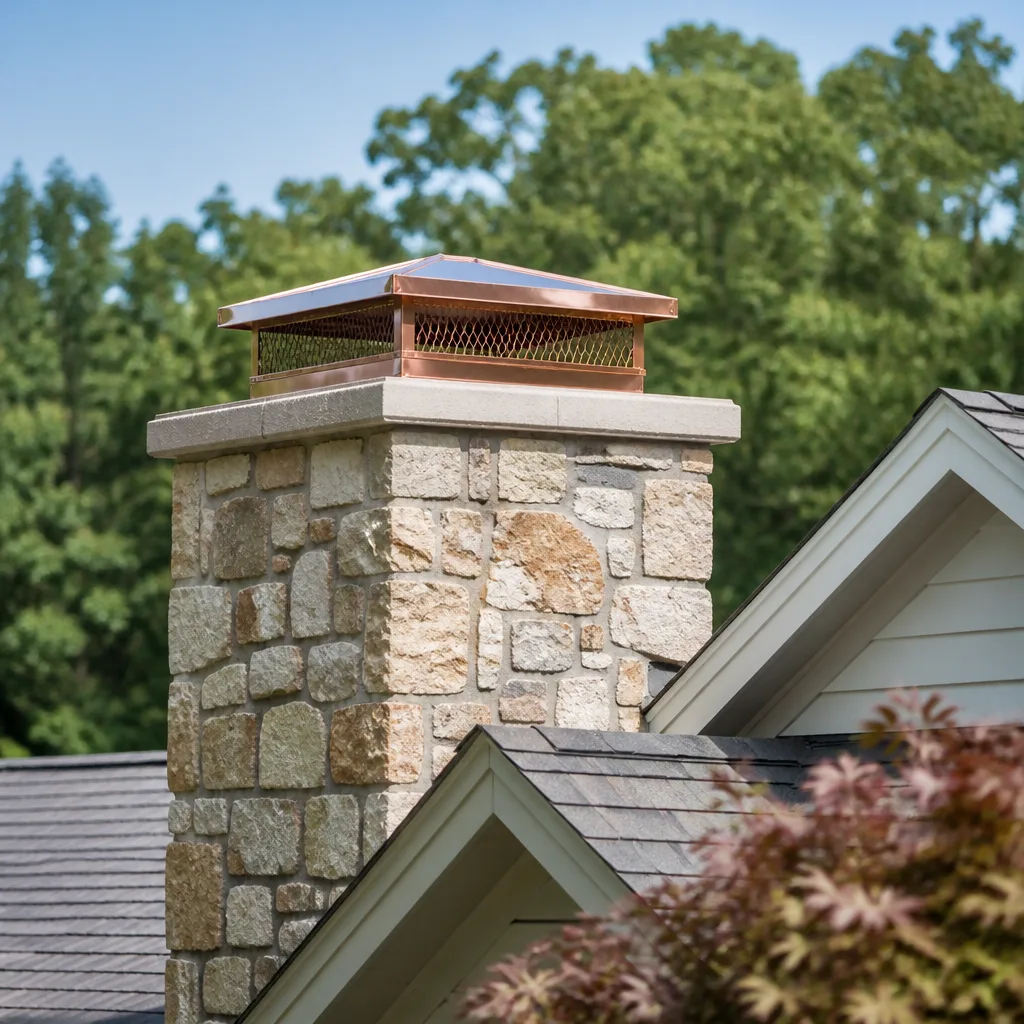 Caps & crowns
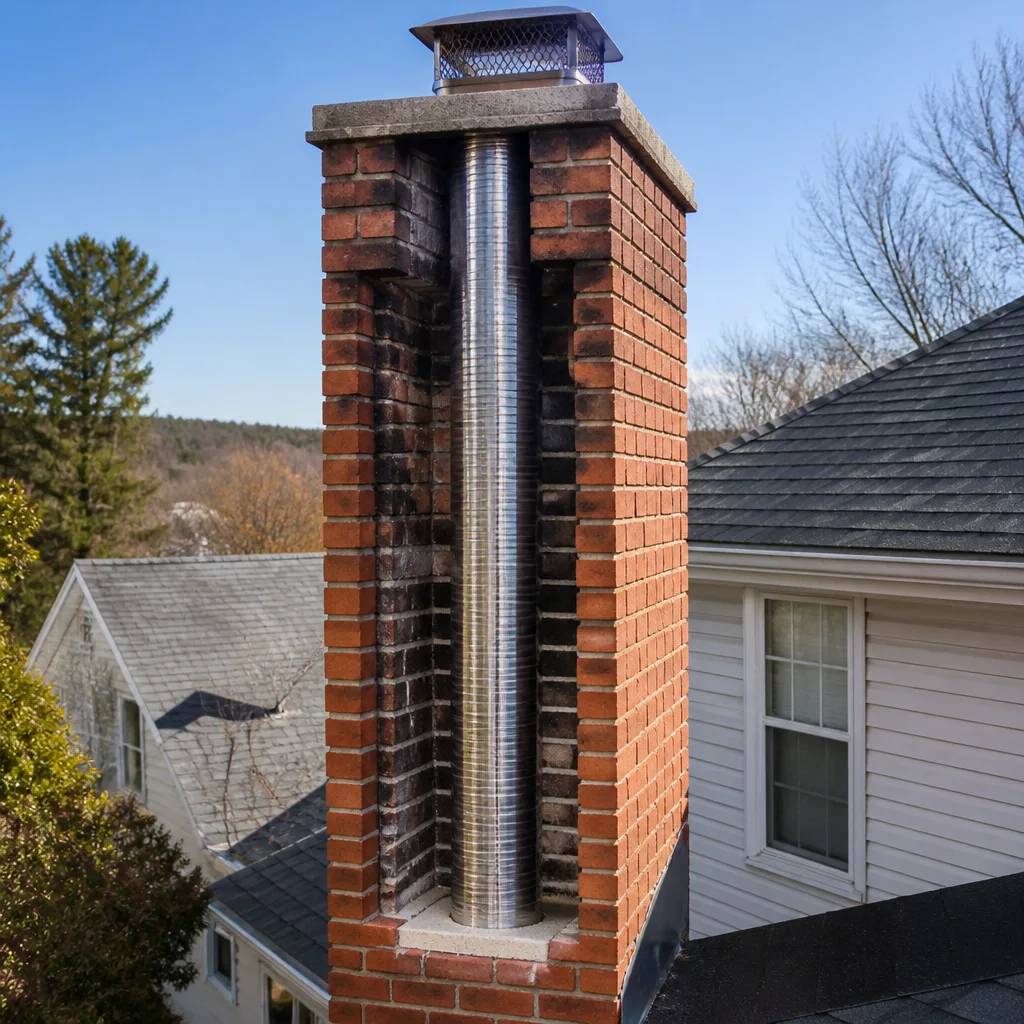 Flue relining
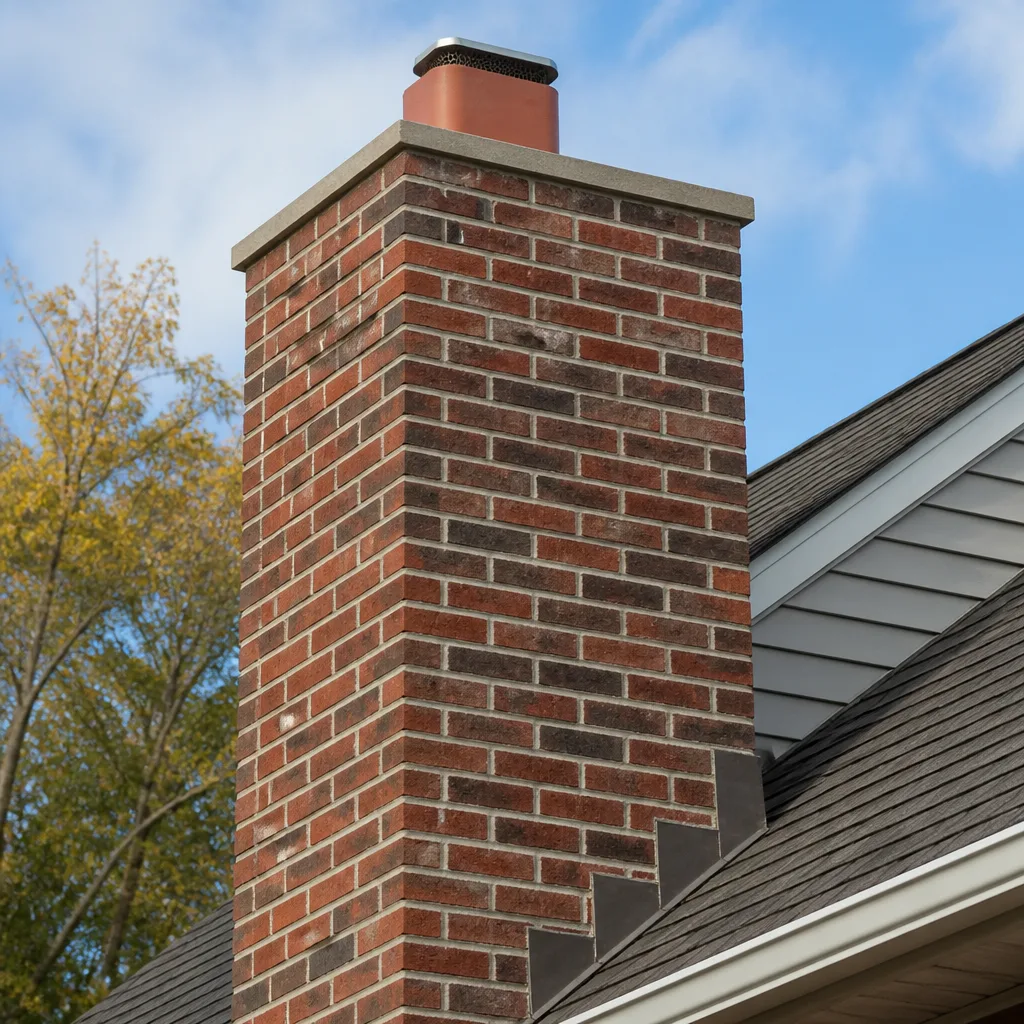 Masonry repair
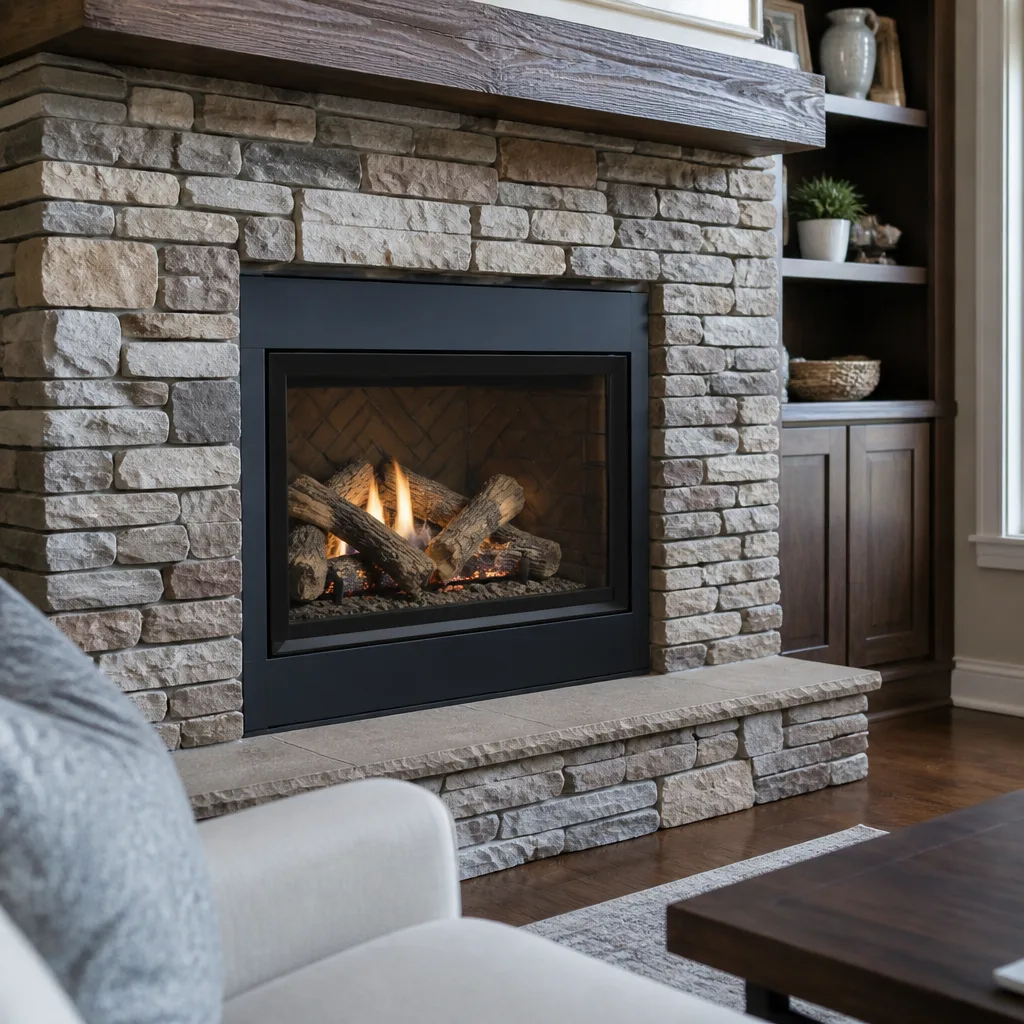 Gas fireplace service
Level 1 sweep and inspection to the NFPA 211 annual standard - flue, crown, cap, and flashing checked and photographed
Chimney sweep logs do not sweep chimneys. They loosen some creosote - which then falls where a brush and vacuum still have to collect it.
Chimney Cleaning Permits, Codes & Inspections in Adams Farm, NC: What You Need to Know
Here’s what surprises most homeowners: the routine cleaning and maintenance of a chimney is not usually the part that gets you in trouble with the county. It’s the repair. Most people assume a sweep, a cap, a little crown patching, or a fresh liner is all “chimney work” and therefore all governed by the same rules. In North Carolina, that assumption is where folks get burned. The threshold between maintenance and construction is real, and it sits exactly where your flue liner and masonry structure begin. If a contractor relined your flue without pulling a permit in Guilford County, the work may technically exist in a gray zone your homeowner’s insurance carrier will find very interesting after a fire. This guide walks through the Adams Farm angle: what the state code actually requires, how the county process works, and how to tell good work from papered-over work.
Quick Answer
In North Carolina, chimney cleaning and sweeping generally don’t require a permit, but repair, relining, and masonry replacement usually do. Guilford County issues those permits, and the contractor performing the structural work is responsible for pulling them before the job starts. Passing that inspection confirms the work meets minimum code; it doesn’t replace a proper evaluation of your entire chimney system, and it isn’t a substitute for maintaining the chimney afterward.
Styles & brands we work with
- Sweep & inspection
- Caps & crowns
- Flue relining
- Masonry repair
- Gas fireplace service
Table of Contents
- What does North Carolina code require for chimney work?
- Where’s the line between cleaning and a permitted repair?
- How does the Guilford County permit process work?
- What is NFPA 211 and why does it matter here?
- How does unpermitted chimney work affect your insurance?
- What does “passing inspection” actually certify?
- What happens during a chimney inspection?
- How does Adams Farm’s climate and housing shape the work?
What Does North Carolina Code Require for Chimney Work?
North Carolina’s residential code leans on national standards, and for chimneys, the one that governs is NFPA 211, the Standard for Chimneys, Fireplaces, Vents, and Solid Fuel-Burning Appliances. The state adopts that standard as the technical baseline. That means the code isn’t just about whether you had a permit; it’s about whether the chimney was built and maintained to a specific engineered standard. When an inspector looks at a liner, they’re comparing what’s there against what NFPA 211 says the flue clearances and materials should be.
For homeowners in Adams Farm, the practical consequence is this: a sweep who shows up with a brush and a shop vac isn’t necessarily qualified to tell you whether your chimney meets code. Those are two different things. Cleaning removes creosote and soot. Compliance is a structural question.
What North Carolina code addresses, at a high level:
- Clearance to combustibles. The flue must be separated from wood framing, insulation, and other materials by specified distances.
- Liner integrity. A clay tile liner with cracked or missing sections doesn’t meet the standard for a wood-burning appliance.
- Flue sizing. The flue has to be appropriately sized for the appliance it serves, which is one reason a gas-to-wood conversion can create a problem.
- Crown and cap condition. The chimney crown and the cap on top serve a code-relevant waterproofing and drainage function, not just a cosmetic one.
- Safe venting. Solid-fuel, gas, and oil appliances each have their own venting requirements.
The standard is common-sense when you say it plainly: the chimney must be built and maintained so smoke and combustion products exit the home safely and don’t ignite anything they touch. Most of us have seen a chimney that looked fine from the ground but failed on close inspection. That’s the whole reason the permit question matters, and it’s why our chimney sweep visits in Adams Farm pair cleaning with a real structural look. You can’t spot clearance problems from the driveway.
Where’s the Line Between Cleaning and a Permitted Repair?
The dividing line is simple to state and easy to blur in practice. Cleaning and maintenance don’t require a permit. Structural repair, replacement, and relining usually do. If the work removes, rebuilds, or substantially changes part of the chimney’s structure or its flue, it’s the second category.
Routine work that typically falls on the no-permit side of the line:
- Sweeping the flue to remove creosote and soot
- Removing an animal nest or debris from the chimney
- A routine visual inspection or a more detailed examination with a camera
- Installing or replacing a chimney cap or spark arrestor
- Patching mortar joints on the exterior at the visible level, depending on scope
- Applying a waterproofing treatment to masonry
Work that typically crosses the line into a permit:
- Relining the flue, whether with a stainless system or a cast-in-place resurfacing
- Rebuilding the chimney crown
- Replacing firebox or chimney masonry in a structural way
- Rebuilding the chimney above the roofline
- Adding or converting a wood-burning appliance, insert, or stove
- Altering flue height, diameter, or configuration
Two caveats make the list fuzzier than it looks. First, size matters. A crown repointing and a crown replacement are not the same job, and one may need a permit where the other doesn’t. Second, your local jurisdiction can interpret scope differently from a neighboring county. The practical rule for an Adams Farm homeowner is to ask, in writing, which of the work items require a permit and who is pulling it.
This is exactly where a single-company scope pays off. From the firebox to the crown, we handle it, and we can tell you honestly whether what we’ve found is a maintenance item or a permitting item. When a liner turns up damaged, restoration is often the answer; our HeatShield application capability means many damaged flue liners can be restored and resurfaced without a full demolition rebuild. But when the right answer is a reline, we install DuraFlex liner systems for wood, gas, and oil appliances, and we’re clear that the project crosses into permit territory before anyone picks up a tool.
How Does the Guilford County Permit Process Work?
The permit process for chimney relining or masonry repair starts with the contractor, not with the homeowner. In Guilford County, the contractor performing the structural work pulls the permit before any work begins. The homeowner’s job is to ask for proof it was pulled and to know what happens next. A responsible contractor isn’t fazed by that conversation. In our experience, one who is fazed by it is telling you something.
Here’s how the process typically runs, step by step:
- The contractor assesses scope. Someone qualified evaluates the chimney, determines whether the work is structural, and decides what needs to be permitted.
- The permit application is filed. The contractor submits the scope to Guilford County for review. Details, drawings, and material specifications may be required.
- The permit is issued. Work cannot legally begin until the permit is active. Some jobs permit over the counter for straightforward scopes; larger rebuilds may need plan review.
- The work is performed. The contractor installs the liner, rebuilds the masonry, or replaces the crown to the specified standard.
- The inspection is scheduled. A county inspector examines the completed work against the standard the permit was issued under.
- The inspection result is recorded. A pass closes the permit. A fail means corrections are required and a re-inspection is scheduled.
What does the inspection cover? Generally, the inspector verifies that the installed work matches the permitted scope and meets the code standard. For a reline, that means confirming the flue material, sizing, and clearances. For masonry repair, it means confirming structural soundness and clearances to combustibles. The inspection is specific to the permit; it isn’t a general evaluation of every chimney component. That distinction is one more reason not to confuse a permit inspection with a comprehensive chimney examination.
The cost of the permit itself varies with scope and is paid as part of the project. What matters more than the fee is the record: a completed permit and a passed inspection become part of the home’s paperwork, and that’s what a buyer’s inspector asks to see when a home in Adams Farm changes hands.
What Is NFPA 211 and Why Does It Matter Here?
NFPA 211 is the national standard that governs chimneys, fireplaces, vents, and solid fuel-burning appliances. It’s the technical backbone of chimney code, and in North Carolina it’s the standard that inspectors, insurance adjusters, and qualified chimney professionals end up referencing even when they aren’t quoting it by number. When a county inspector evaluates a reline, the answer key is NFPA 211. When an insurance adjuster investigates a chimney-related fire, the comparison is against NFPA 211. And when we evaluate a chimney in Adams Farm, the same standard is what we’re measuring against.
Why does that matter for a homeowner? Because it means the question isn’t just “did it work,” it’s “was it built to a defined standard.” Those are different questions. An installation can function on the day it’s completed and still fail the standard in a way that affects safety or insurance coverage down the line.
NFPA 211 addresses a few key areas homeowners should understand:
- Clearances. A flue has specified minimum separation from combustible materials.
- Liner requirements. The flue needs a continuous liner of an approved material, properly sized for the appliance.
- Venting for appliances. A wood stove, gas insert, and oil furnace each have different venting requirements, and the flue has to match the appliance.
- Height and termination. The chimney has to extend above the roofline by a specified amount and terminate in a way that supports proper draft and prevents downdrafts.
- Inspection requirements. Chimneys are expected to be inspected when the appliance changes, when the home changes hands, or after events that might damage the chimney.
You don’t have to memorize the standard. You do need to know it exists, because it’s the reference point anyone with authority will use when they evaluate your chimney. Our use of professional-grade materials (DuraFlex liners and Olympia Chimney components, for example) exists because those products are manufactured and specified to meet that standard, not because they’re what happens to be on a hardware store shelf.
How Does Unpermitted Chimney Work Affect Your Insurance?
Here’s the uncomfortable part. If a chimney fire or carbon monoxide incident occurs and an adjuster finds that the chimney was relined or structurally rebuilt without a permit, the insurer may question whether the work was done to code. That can complicate a claim. It doesn’t automatically void coverage (policies differ, and the specifics of your policy govern), but it creates exactly the kind of uncertainty nobody wants during a loss.
What does that mean in practice for an Adams Farm homeowner? It means the paperwork matters as much as the work. Before authorizing any major chimney repair, ask your insurance carrier a few specific questions:
- Does the policy require permits for structural work? Ask plainly whether unpermitted relining or masonry work could affect a future claim.
- Will the carrier want documentation of the work? A completed permit and passed inspection is the cleanest form of documentation there is.
- Is the chimney damage itself covered? Fire and water damage is often covered; the cause of the damage matters, so ask.
- Is there a code-upgrade provision? Some policies pay to bring damaged components up to current code; others don’t.
- Would a professional evaluation be required before the claim is considered? Some carriers want a documented inspection.
A written record is your protection. Keep a copy of the permit, the inspection result, the contractor’s scope of work, and any photographs of the completed work. Those documents belong with your home’s maintenance records. If you ever sell, a buyer’s inspector will ask for them.
Our position is simple: we’ll tell you what we find and what it actually needs, and we’ll tell you plainly when the work needs a permit. That’s not a sales pitch; it’s how a homeowner avoids a claim dispute.
What Does “Passing Inspection” Actually Certify?
Passing a permit inspection means the permitted work meets the code standard for the scope that was permitted. That’s a real and valuable guarantee, and homeowners should insist on it. It’s also narrower than most people assume.
What a passed inspection typically certifies:
- The installed work matches the permitted scope
- The materials and configuration meet the applicable standard
- Clearances and venting requirements for the permitted work are satisfied
- The work was performed and is in place as described
What it does not certify:
- That the entire chimney system is in good condition
- That the chimney is clean and free of excessive creosote
- That the firebox, damper, crown, cap, or exterior masonry are sound
- That the system has been evaluated by a CSIA-certified professional
- That future maintenance isn’t needed
An inspector is looking at the permitted work. A full chimney evaluation is a broader review of the whole system: firebox, damper, flue, crown, cap, masonry, and the appliance itself. Both matter, and they are not interchangeable. In practice, the cleanest approach in Adams Farm is a single visit that pairs cleaning with a real evaluation, then any permitted repair performed on top of a clear scope. This is why our inspections are built to identify repair needs before they become hazards, and it’s why we don’t hand off the assessment to one contractor and the repair to another.
What Happens During a Chimney Inspection?
Chimney inspections come in levels, and which level you need depends on why you’re having the inspection. Most routine cleaning visits pair with a Level 1 inspection. If the home is changing hands, an appliance is being added or changed, or a chimney fire has occurred, a higher level of evaluation applies.
Here’s how the levels compare:
- Level 1. A visual examination of the readily accessible portions of the chimney, firebox, and appliance. This is the right level for a routine sweep when the appliance and the home haven’t changed. Cleaning and assessment happen together.
- Level 2. A more detailed examination that includes areas not readily accessible. A camera is typically used to examine the flue liner from the inside. This is the appropriate level for a real estate transaction, an appliance change, a change in fuel type, or after an event that could have caused damage.
- Level 3. A diagnostic evaluation that involves removing or opening components (such as a portion of the chimney or crown) to access areas concealed during Levels 1 and 2. This level is used when a specific problem has been identified that can’t be assessed otherwise.
For Adams Farm homeowners, the practical answer is: a routine sweep calls for a Level 1 evaluation alongside the cleaning, and the moment a repair or a liner question comes up, expect a camera inspection before any recommendation. We won’t tell you a liner is failing unless we can show it to you on camera, and we’ll tell you when work can safely wait. That’s not a sales philosophy; it’s what a proper inspection involves. Our technicians have up to 15 years of experience, and in that time, the number of “you need a full rebuild” diagnoses we’ve seen that turned out to be an image of a clean liner is exactly the reason to insist on camera evidence.
How Does Adams Farm’s Climate and Housing Shape the Work?
Adams Farm sits in Guilford County, west of Greensboro, and the local housing stock and weather both shape how chimney work plays out. The neighborhood was built out across a couple of distinct phases, which means some homes are newer construction and some are older builds with original masonry. Both have their own challenges.
What the local climate contributes:
- Winter freeze-thaw cycles. When moisture gets into mortar or a crown, repeated freezing and thawing cracks and loosens it. The crown is the leading edge of that process; water that infiltrates a failing crown tends to find its way into the masonry and freeze there.
- Warm, humid summers. That humidity works on masonry too, especially where water can sit. Cracks that develop in the fall tend to widen over the summer months.
- Wood-burning season. Adams Farm homeowners tend to burn from late fall into early spring. That concentrated burn season is when creosote accumulates, and it’s the reason chimney cleaning needs to happen before the burn begins rather than in the middle of it.
- Pine and hardwood mixes. Seasoned hardwood burns more cleanly than unseasoned wood. Using unseasoned wood or a mix with softwoods accelerates creosote buildup. If you’re not sure what your wood is doing to your chimney, the inside of the flue is the place to find out.
- Older clay liners. Many older Adams Farm chimneys have clay tile liners. Clay is solid on straightforward service; the failure points are cracks and gaps that open up over years. When those cracks appear, a HeatShield restoration is often the right answer and is far less invasive than a rebuild. When a full reline is called for, DuraFlex is what we recommend.
- Cap and crown neglect. A missing or damaged cap lets water and animals in; a cracked crown lets water into the masonry. Gemco and Famco components are the standard-grade products we specify because they hold up against this climate.
What the housing adds: newer homes sometimes have prefabricated factory-built fireplaces with metal chase covers rather than masonry chimneys. Those systems have their own venting requirements and inspection needs, and they don’t behave like a traditional masonry chimney. Older homes tend to have original clay-liner chimneys with exterior masonry that’s showing its age and, in some cases, prior repairs done without permits. Both types of chimney show up on our rounds, and both are worth a real look before burning season starts.
Common Mistakes to Avoid
- Assuming “we’ll pull the permit” without asking who pulls it. The homeowner should ask, in writing, which permit is needed and who is pulling it. If the answer is vague, that’s the answer.
- Confusing a sweep with a structural evaluation. A sweep who runs a brush and calls it a day can’t tell you whether your liner meets NFPA 211. Ask what level of inspection was performed.
- Accepting a “full rebuild” quote without camera evidence. A damaged liner should be shown to you on a camera before anyone recommends a rebuild. Restoration with HeatShield is often the correct fix at a fraction of the cost of a rebuild.
- Letting a failed crown sit through the winter. Water gets into masonry through a failed crown, and then it freezes and does structural damage. That sequence is preventable and the repair is far cheaper before the freeze than after.
- Skipping the record. Keep the permit, the inspection result, the scope, and photos. They belong in your maintenance file, and they matter at resale and at claim time.
- Hiring a contractor whose chimney scope stops at sweeping. The moment a repair shows up, you want the same company to handle the liner, the cap, and the crown, not three separate contractors with no shared record.
- Ignoring the manufacturer’s venting requirements for a fireplace insert or stove. If the appliance changes, the venting requirements may change with it, and that’s a permit item in most cases.
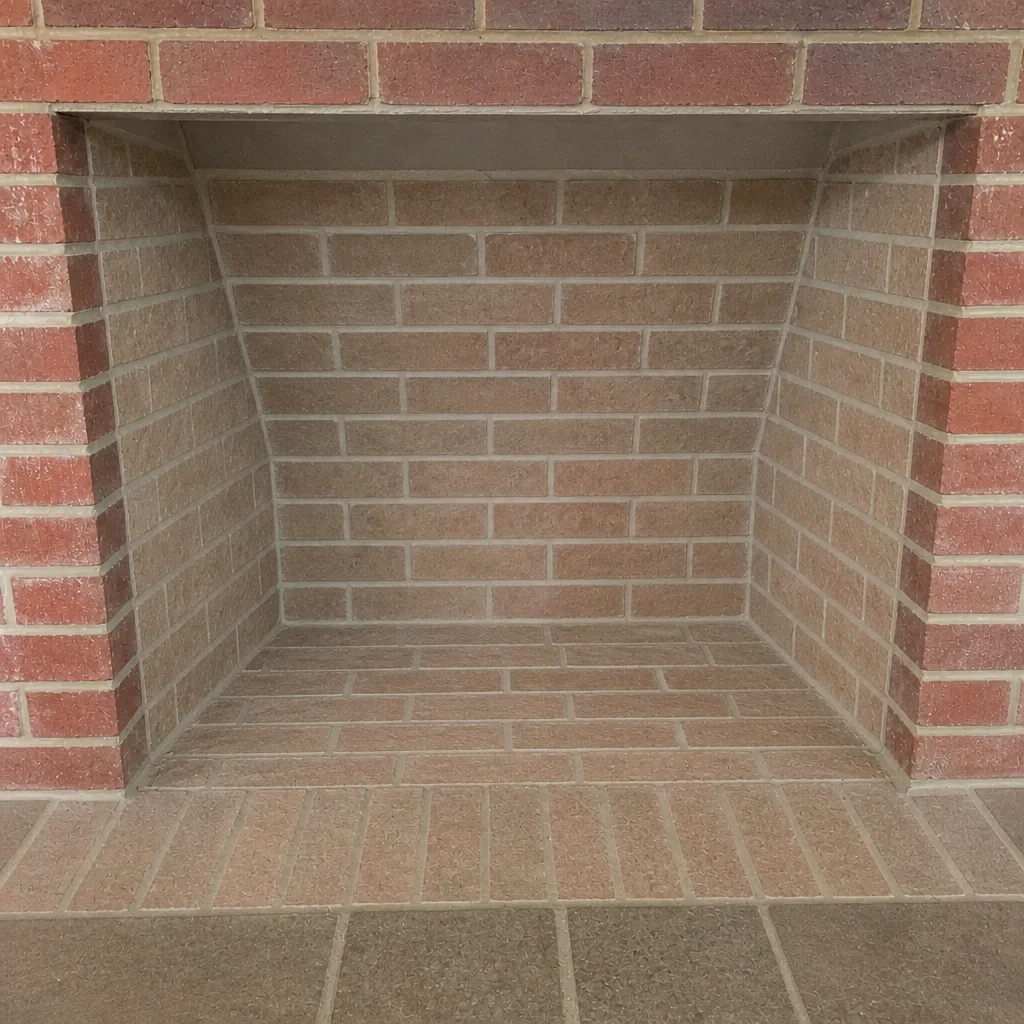
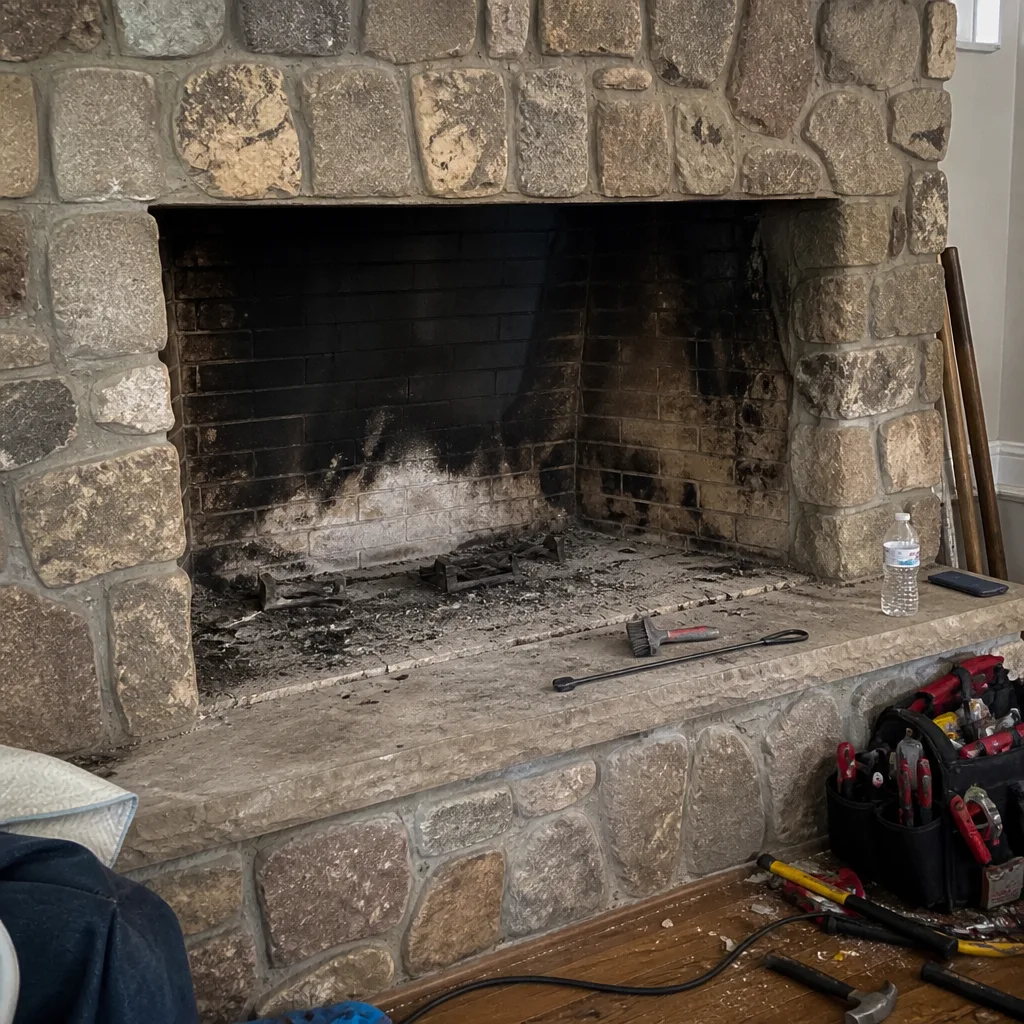
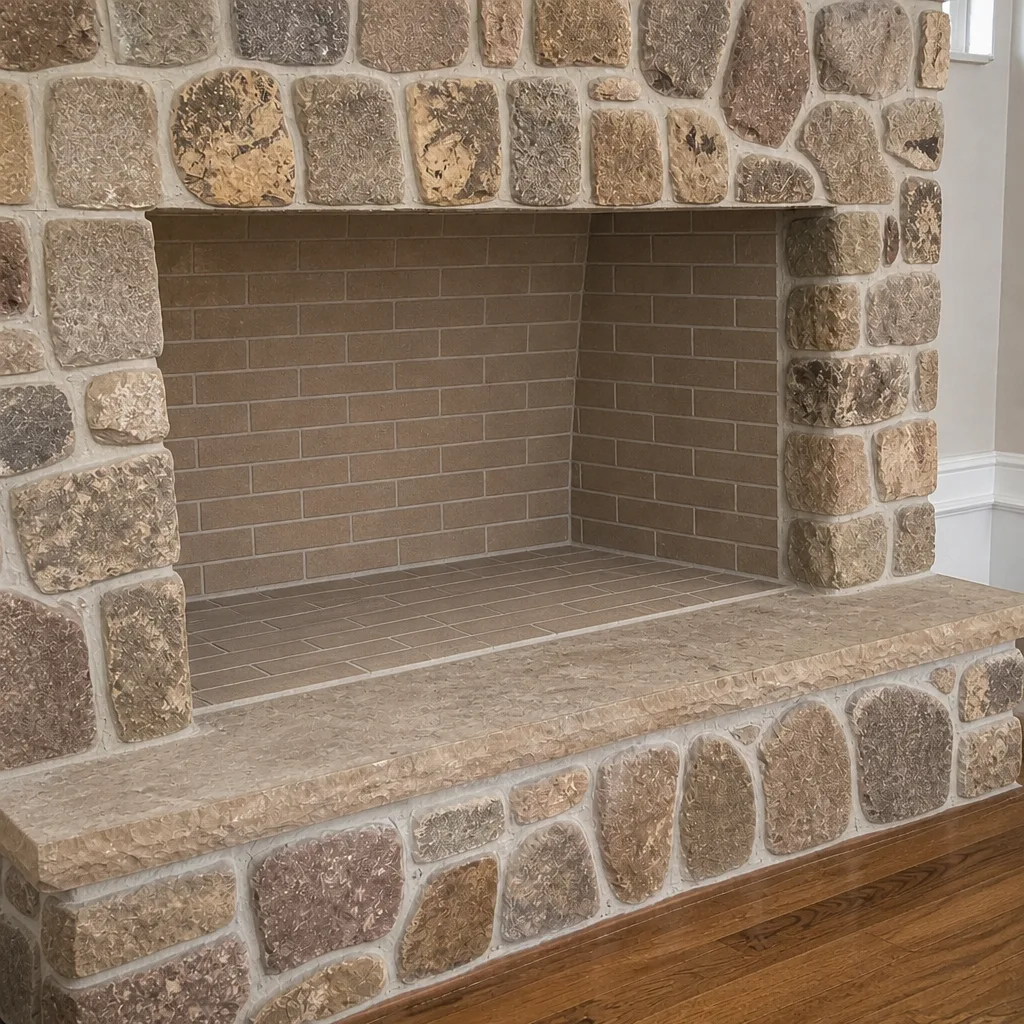
See the difference
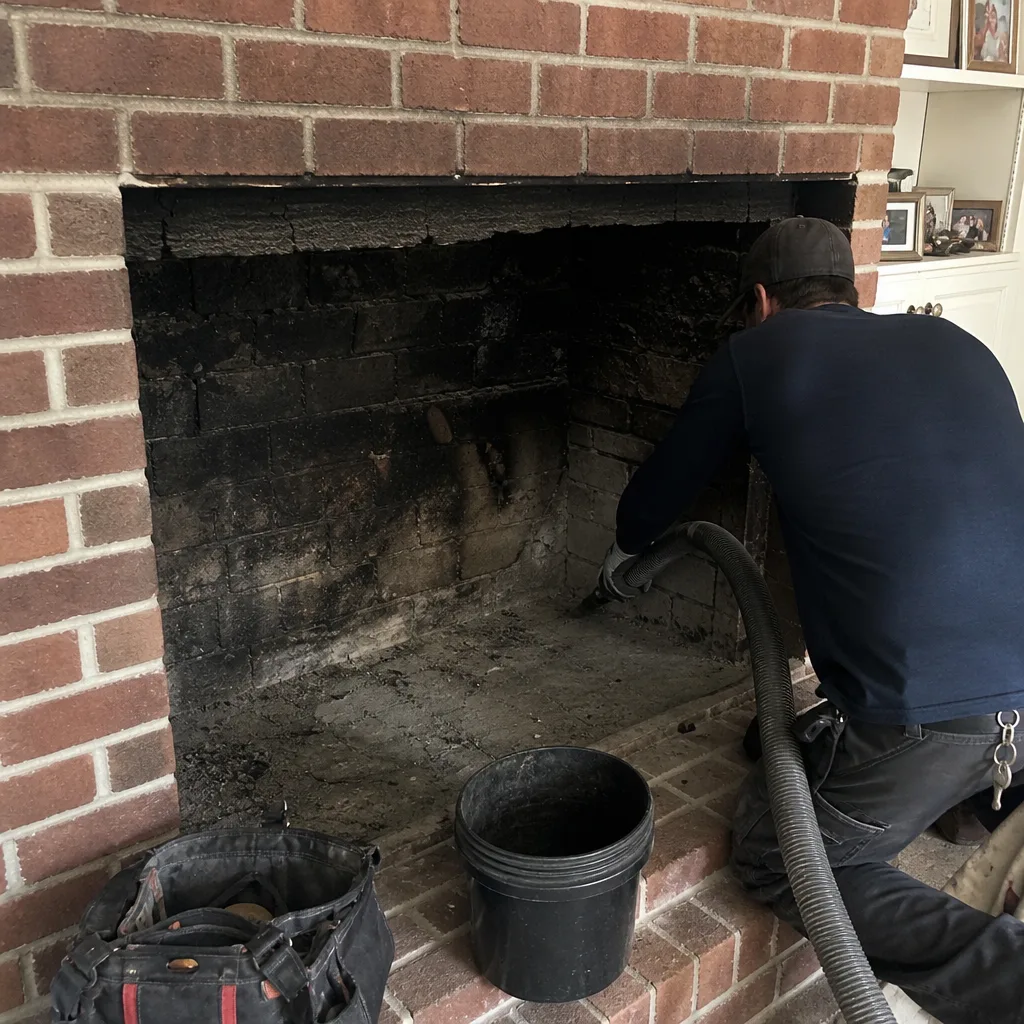 Before
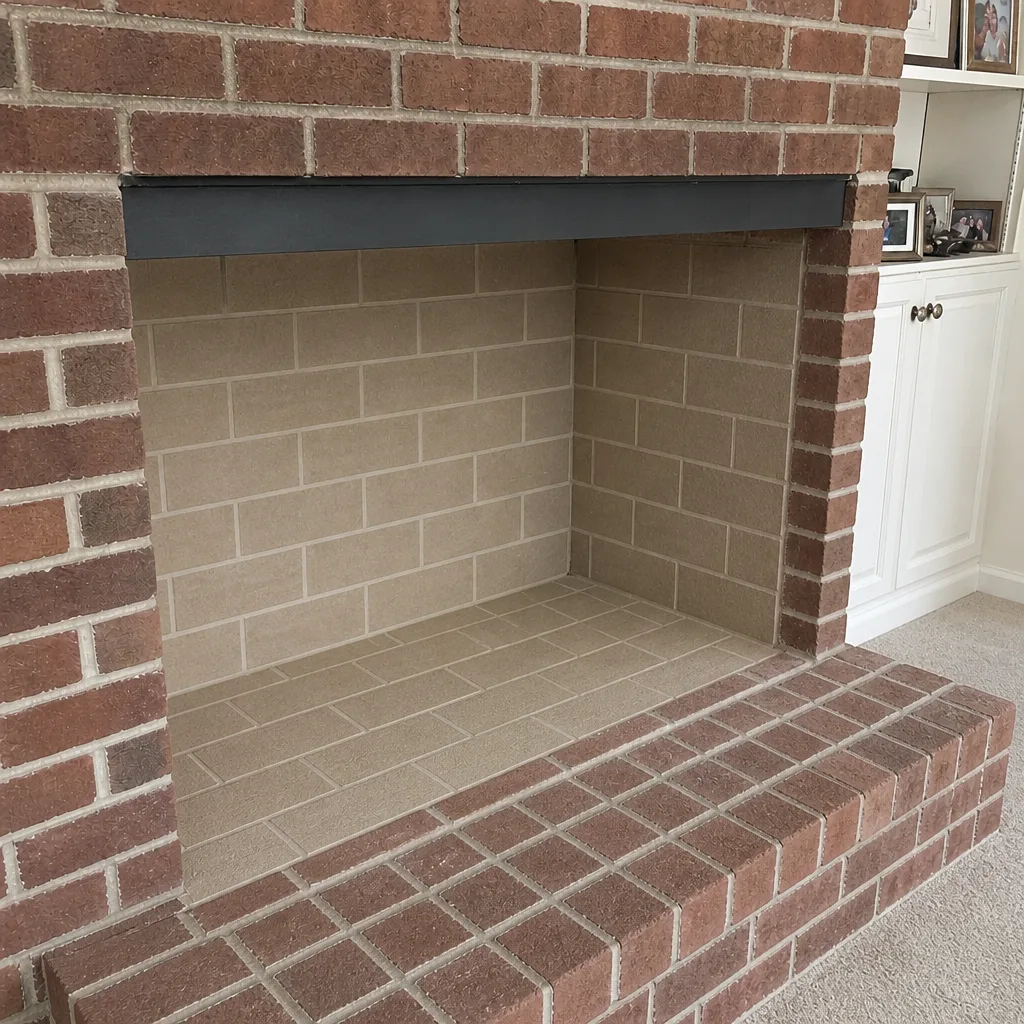 After
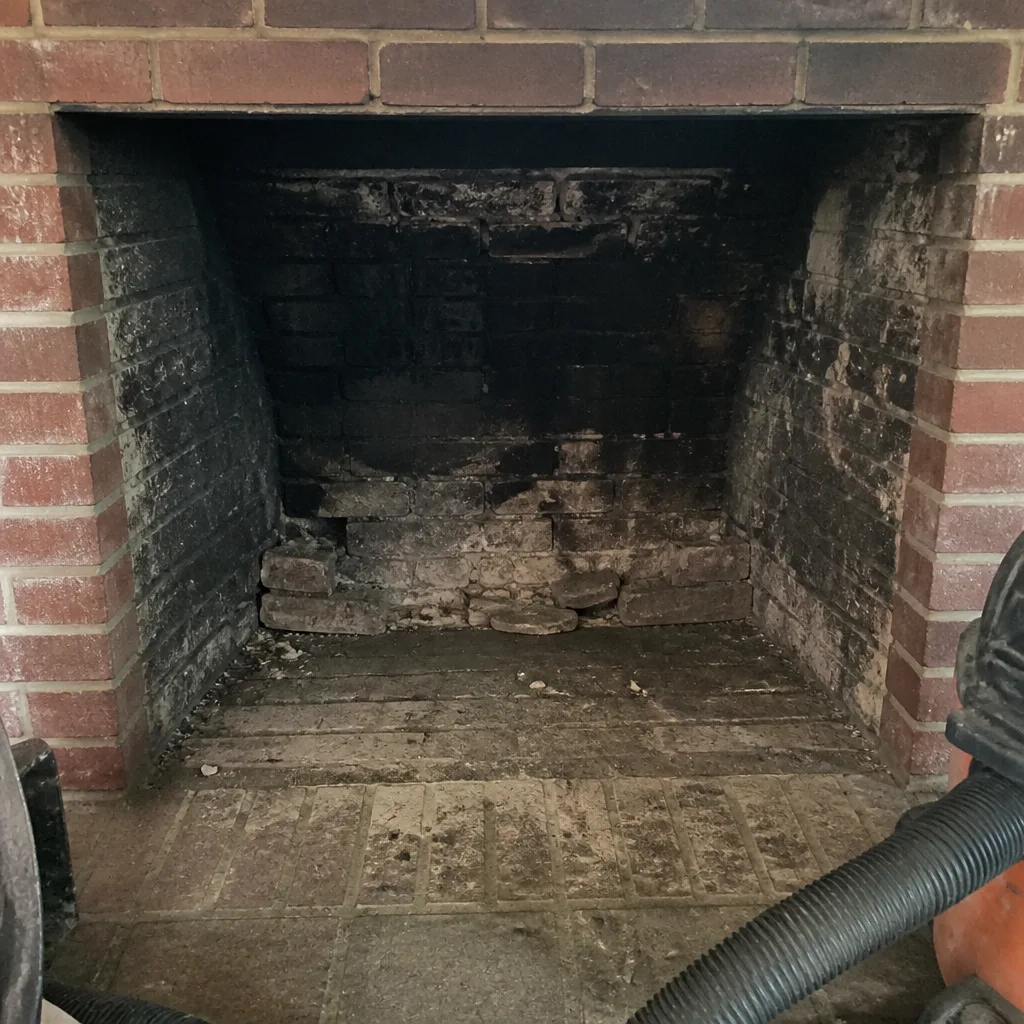 Before
 After
 Before
 After
When to Call a Professional
The right time to call a professional is when the chimney work you’re considering crosses out of maintenance into structure. That includes relining a flue for any appliance, rebuilding a crown, replacing failed masonry, or installing an insert or a stove. It also includes that yearly cleaning, because cleaning and assessment in a single visit is how problems get spotted before they become expensive. In Adams Farm, the practical call happens before burning season starts: a chimney cleaned in the fall is a chimney that won’t surprise you in January. Other good reasons to call: you’ve had a chimney fire, your home is changing hands, your flue was relined or repaired at some point and you don’t have the paperwork, or you’ve noticed water staining near the chimney on the interior. If any of those sound familiar, a professional evaluation is the next step. Chimney Sweep Adams Farm offers free estimates in Adams Farm. Call (855) 812-5209, we answer 24/7, and fast dispatch from 7am to 7pm, Sunday through Friday. You can also reach our Chimney Sweep Adams Farm team for a same-week booking before the season starts.
Frequently Asked Questions
No. Cleaning and sweeping a chimney in Adams Farm generally don’t require a permit because they’re maintenance, not construction. A permit becomes relevant the moment the work involves relining, rebuilding masonry or the crown, or adding or converting an appliance. If your sweep identifies a problem that requires structural work, ask whether a permit is needed before authorizing it. Call (855) 812-5209 for an exact quote on the cleaning itself; estimates are free.
NFPA 211 is the national standard for chimneys, fireplaces, vents, and solid fuel-burning appliances, and North Carolina adopts it as the technical baseline for chimney work. It applies to every chimney in Adams Farm, whether or not a permit was ever pulled. Inspectors and insurance adjusters reference it when they evaluate the chimney, and a qualified chimney professional uses it as the measuring stick. If a contractor can’t speak to the standard, ask why.
The contractor performing the structural work pulls the Guilford County permit for chimney relining or masonry repair. The homeowner’s role is to ask for proof the permit was pulled before work begins and to keep a copy after the inspection passes. A contractor who resists that question is telling you something. Passing inspection closes the permit and documents the work.
It can complicate a claim. If a loss occurs and the insurer finds that structural chimney work wasn’t permitted, they may question whether the work was done to code, and the specifics of your policy govern how that plays out. The cleanest protection is a permit and a passed inspection on file. Call your carrier directly to ask how they treat unpermitted structural work, and keep the paperwork from any repair.
No. Passing inspection means the permitted work meets the standard for the scope that was permitted. It doesn’t certify that the entire chimney system is sound, that the flue is clean, or that the crown, cap, and exterior masonry are in good shape. Those require a separate chimney evaluation, typically paired with cleaning. If you’re not sure what’s been checked, ask for a full evaluation. Call (855) 812-5209 to schedule one; estimates are free.
A chimney should be evaluated at least once a year, and more often if you burn frequently or use unseasoned wood. The right time in Adams Farm is before burning season starts, so that any creosote buildup or damage is caught before it’s in use. Evaluations are also appropriate when an appliance changes, when a home changes hands, or after a chimney fire. Cleaning and assessment in a single visit is the most efficient way to handle it. Call (855) 812-5209 for an exact quote; estimates are free.
The Bottom Line
Cleaning your chimney is maintenance; relining or rebuilding it is construction, and in North Carolina those sit on opposite sides of the permit line. Guilford County issues the permit, the contractor pulls it, and the inspection documents the work. NFPA 211 is the standard behind all of it, and it’s what inspectors and adjusters reference. A passed inspection certifies the permitted scope, not the whole system, so you still need a real evaluation of the firebox, liner, crown, and cap, ideally alongside the annual cleaning. If you’re near Adams Farm and you want one company for the sweep, the inspection, and any repair that turns up, our team works with professional-grade materials from DuraFlex, HeatShield, and Olympia Chimney. We’ll tell you what we find and what it actually needs. Ready to get ahead of the season? Call (855) 812-5209 for a free estimate, and we can also help with fireplace repair or chimney cap & crown work when the inspection turns something up.
Written by the team at Chimney Sweep Adams Farm.