
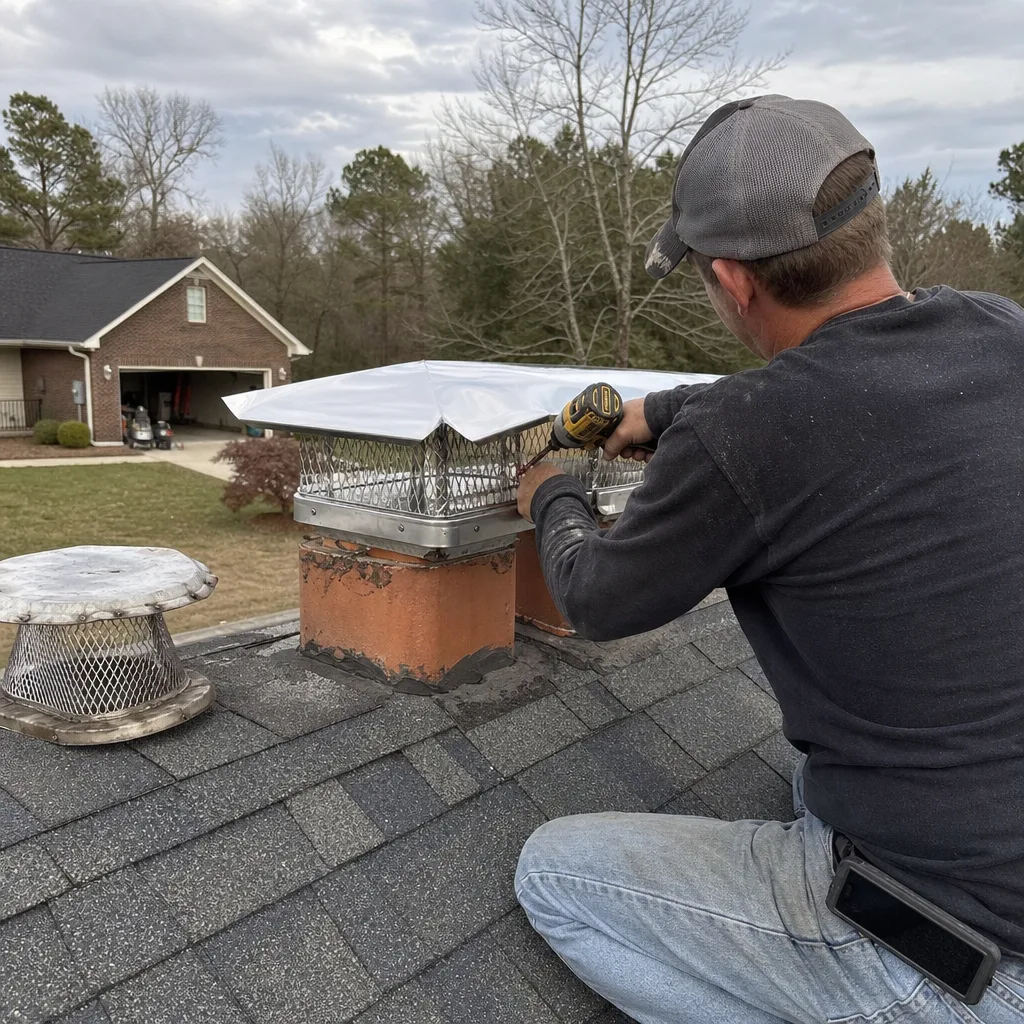
 Sweep & inspection
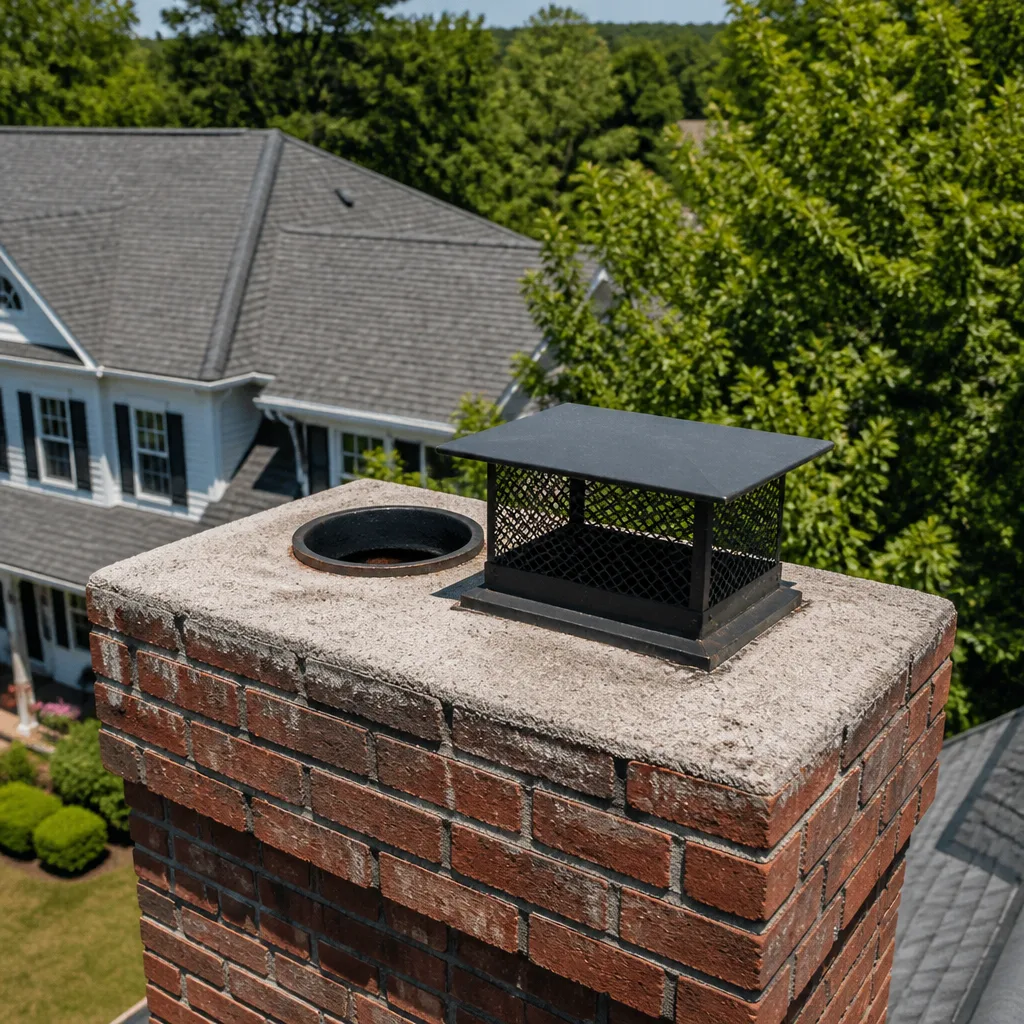
 Caps & crowns
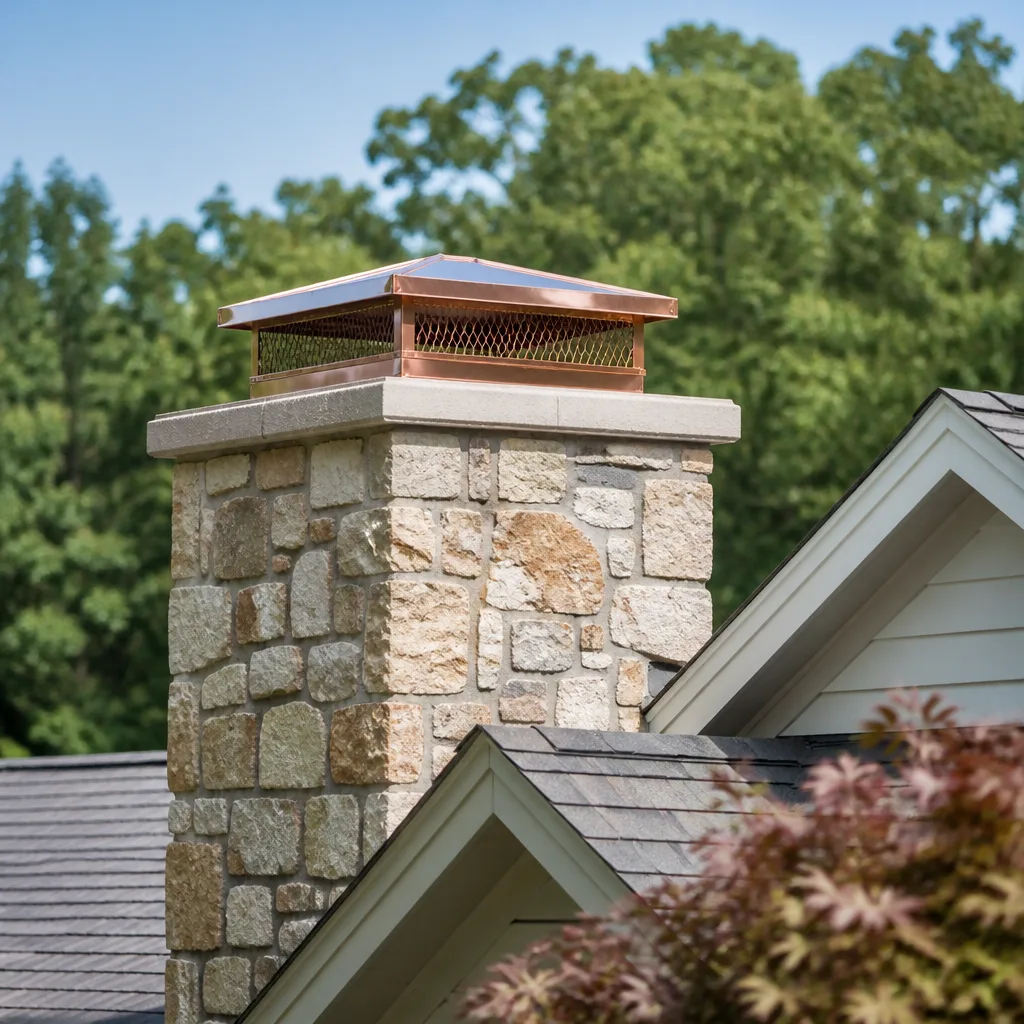
 Flue relining
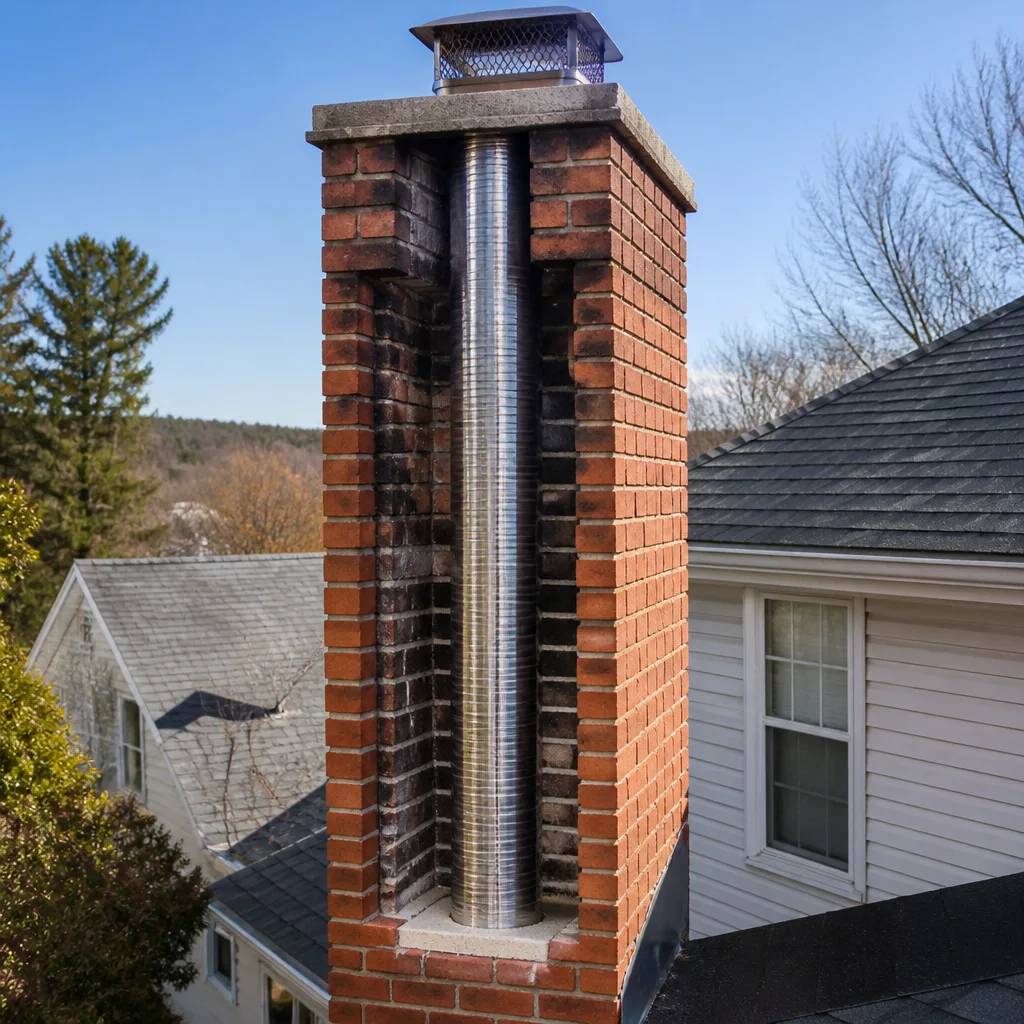
 Masonry repair
 Gas fireplace service
Level 1 sweep and inspection to the NFPA 211 annual standard - flue, crown, cap, and flashing checked and photographed
Chimney sweep logs do not sweep chimneys. They loosen some creosote - which then falls where a brush and vacuum still have to collect it.
Fast, Reliable Chimney Cap & Crown Across College Hill
If you own one of College Hill’s older homes, your chimney cap and crown are doing quiet work every day: keeping Piedmont rain out of the flue, keeping birds and pollen out of unused stacks, and holding the top of a century-old masonry chimney together. When a cap goes missing or a crown cracks and crumbles, water gets in and the damage starts moving down. We install, replace, and rebuild caps and crowns on the tall exterior stacks that define this district, and we do it with preservation standards in mind. Call (855) 812-5209. We answer 24/7. Fast dispatch from 7am to 7pm, Sunday through Friday.
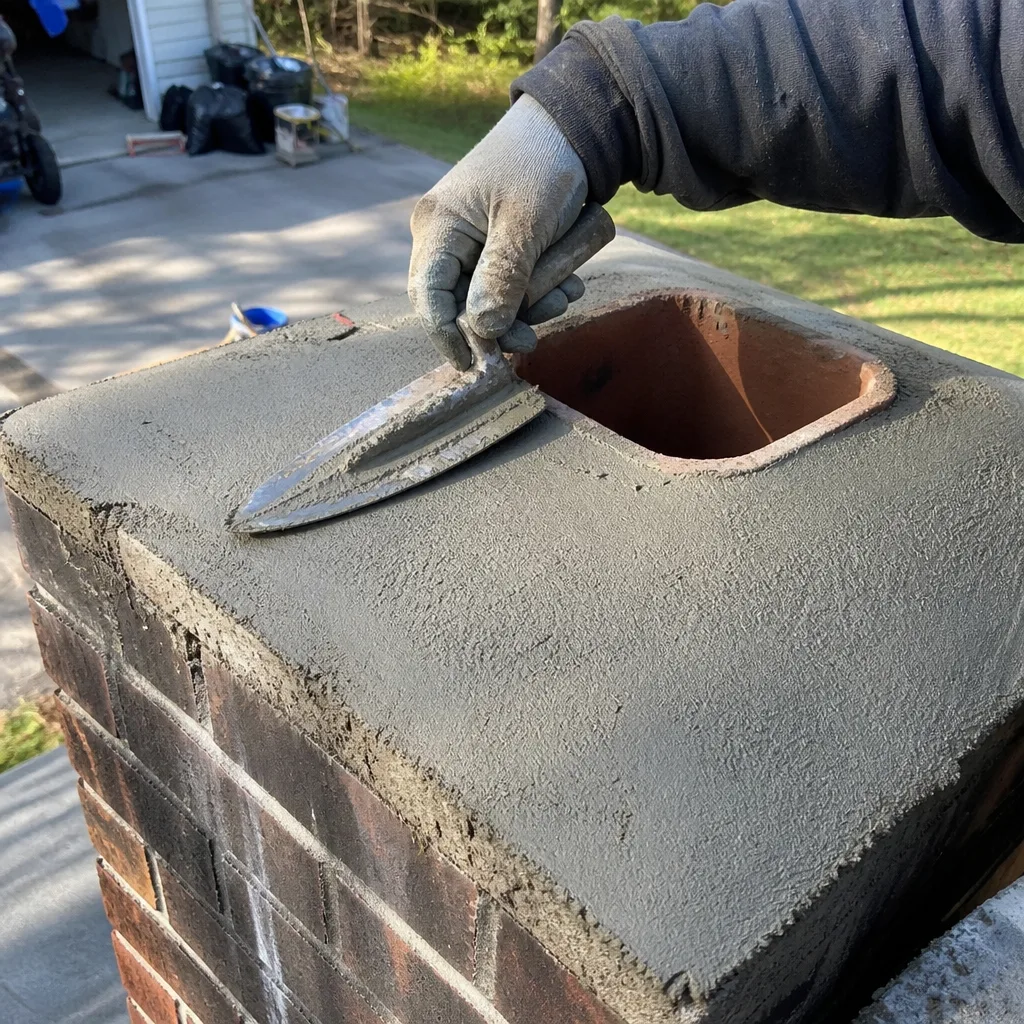
Why College Hill Homeowners Call Chimney Sweep Adams Farm for Chimney Cap & Crown
College Hill is Greensboro’s landmark historic district, and that changes how cap and crown work gets done here. A large share of homes date to the 1890s through the 1930s, many with original masonry chimneys, tall narrow exterior stacks, and several flues per stack. The district’s local historic designation governs exterior changes, so a crown or cap that’s visible from the street often has to fit preservation standards for brick color, mortar tint, and cap profile. That isn’t the case a few blocks outside the district, and it’s the first thing we account for before recommending anything.
We’re a full-service chimney company, not a sweep-only crew. From the firebox to the crown, we handle it. We use professional-grade materials from brands like Famco, Copperfield, DuraFlex, and HeatShield rather than whatever’s on the hardware store shelf, and our technicians have up to 15 years of experience reading stacks exactly like the ones on College Hill’s streets. We’ll tell you what we find and what it actually needs, backed by camera evidence you can see for yourself. If work can wait, we say so. What earns trust here is honesty about century-old masonry, not a pitch.
Response time to College Hill and the surrounding blocks near the district is straightforward: you call, we book the visit, and we dispatch Sunday through Friday, 7am to 7pm. The urgency with caps and crowns is seasonal, tied to wet springs and fall freeze-thaw, not the hour on the clock.
Styles & brands we work with
- Sweep & inspection
- Caps & crowns
- Flue relining
- Masonry repair
- Gas fireplace service
Our Chimney Cap & Crown Services in College Hill
Our chimney cap & crown work covers the full top of the stack. On College Hill’s century-old chimneys, that usually means more than bolting on a cap.
Cap Installation
A properly fitted cap keeps rain, birds, and debris out of every flue in the stack. On College Hill homes with several flues, we size the cap to the whole stack so no opening is left exposed. Stainless and copper options are available, and we’ll match the profile to what the historic district’s design review will accept before it goes up.
Cap Replacement
Many College Hill caps are loose, rusted through, or the wrong size for the flues beneath them. A missing or failing cap lets water pool at the crown, which is where spalling starts. We pull the old cap, inspect the flue tops underneath, and install a replacement that actually seals the stack, using Famco or Copperfield components built for the job.
Crown Repair
The crown is the concrete or mortar cap at the very top of the chimney, and on College Hill’s Victorian-era stacks it’s usually the first thing to crack. Water gets into that crack, freezes, and pushes the masonry apart. We rebuild damaged crowns with a proper overhang and lime-based mortar matched to the soft historic brick, so the repair looks right from the street and doesn’t trap moisture. This is where most of our College Hill crown work happens.
Crown Coating
When a crown is sound but starting to weather, a flexible crown coating can seal small cracks and buy years before a rebuild is needed. We’ll only recommend coating when the crown is structurally intact, and we’ll show you the photos first. If the crown is already failing, coating won’t fix it, and we’ll say so.
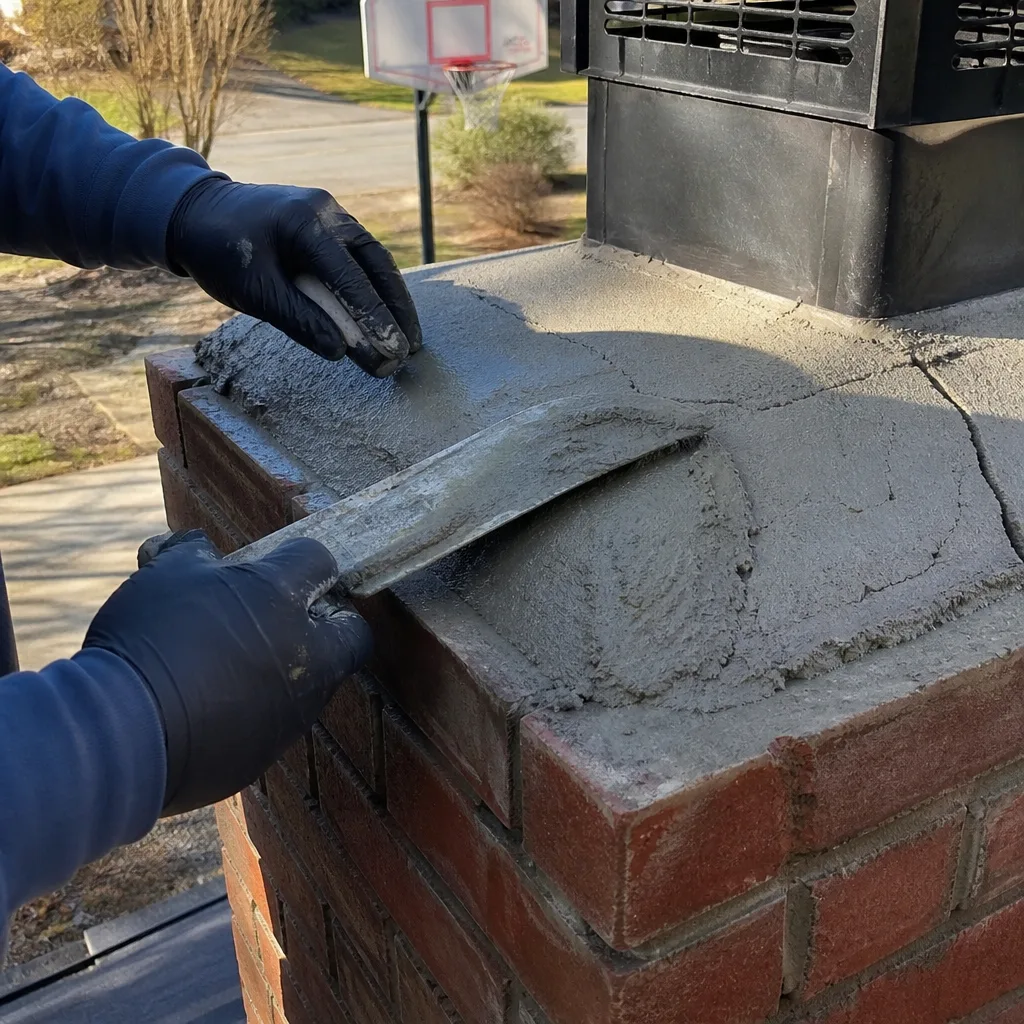
Trusted Brands We Service in College Hill
We work with professional-grade product lines specified by chimney industry pros: Famco and Copperfield for caps, and HeatShield for flue liner restoration when a failed liner turns up under a cracked crown. We don’t claim parts stocked on a truck or an inventory sitting in a College Hill warehouse. What we do is source the right component for the stack and book the install, often within a fast turnaround once the inspection is done. If a liner is damaged, HeatShield application can often resurface it instead of a full rebuild, which matters on original clay-tile flues that have failed clearance. We’ll tell you which route makes sense on your chimney, not which route is easiest for us.
See the difference
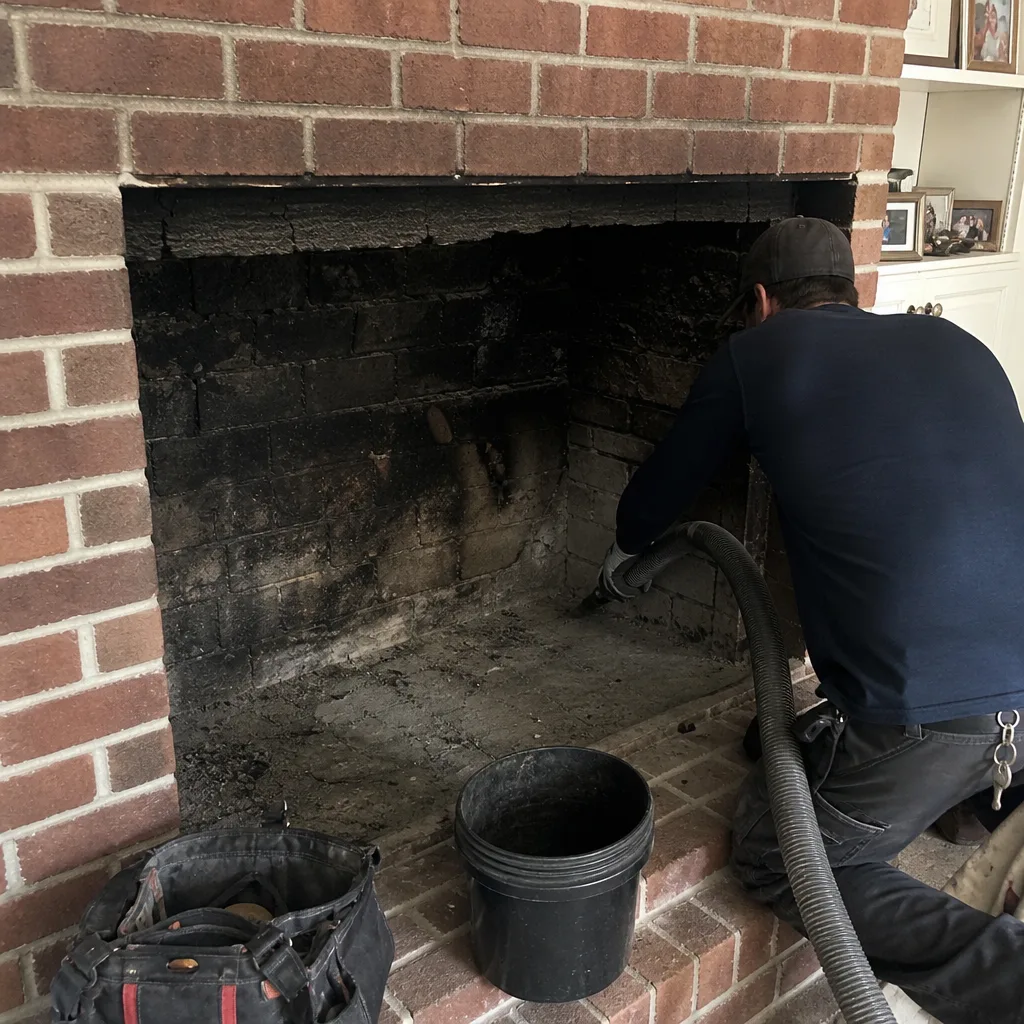 Before
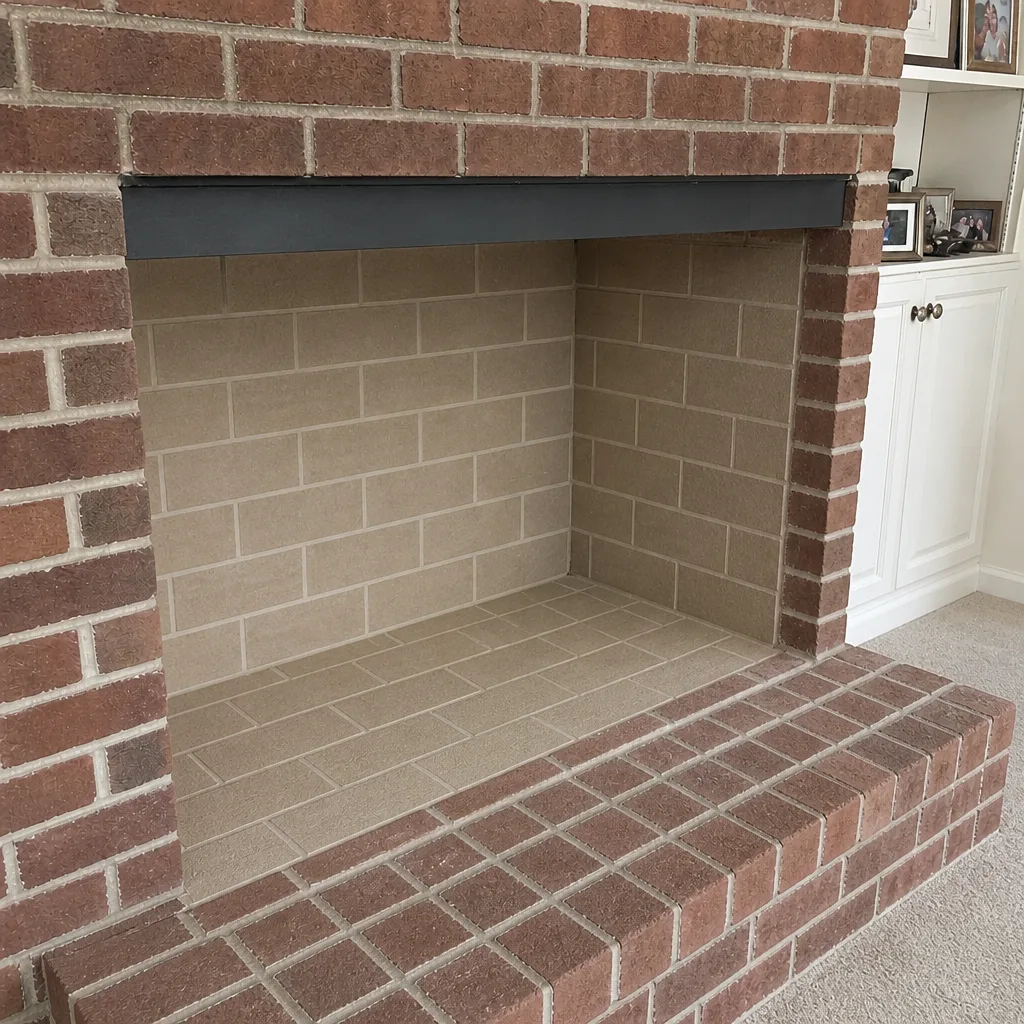 After
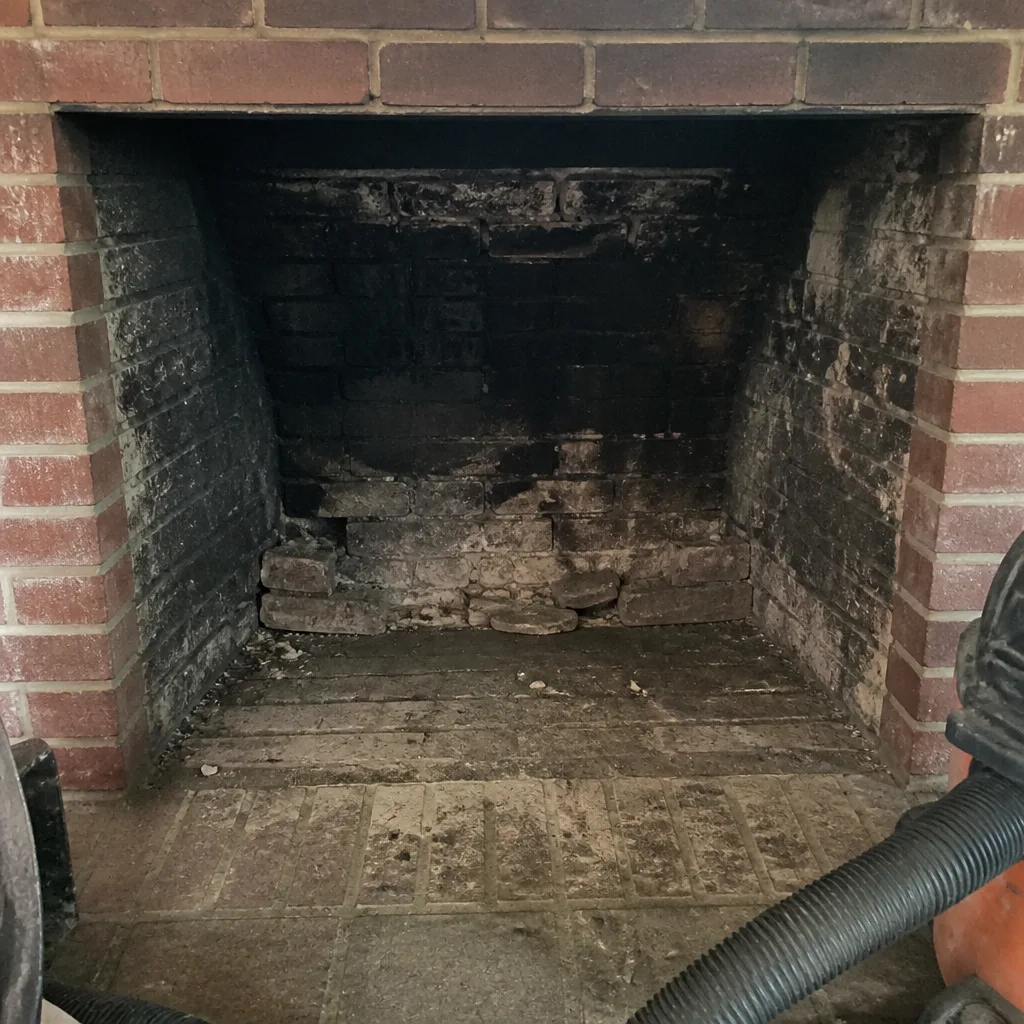 Before
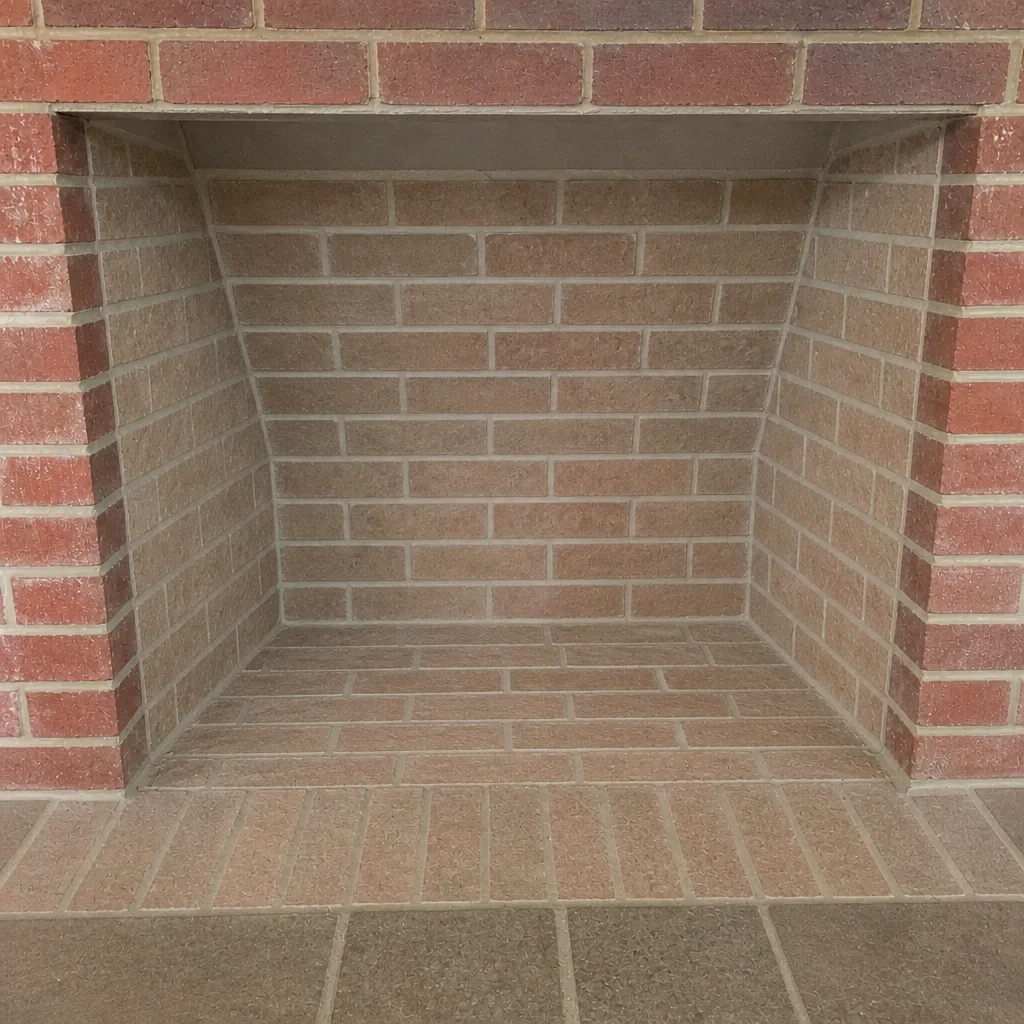 After
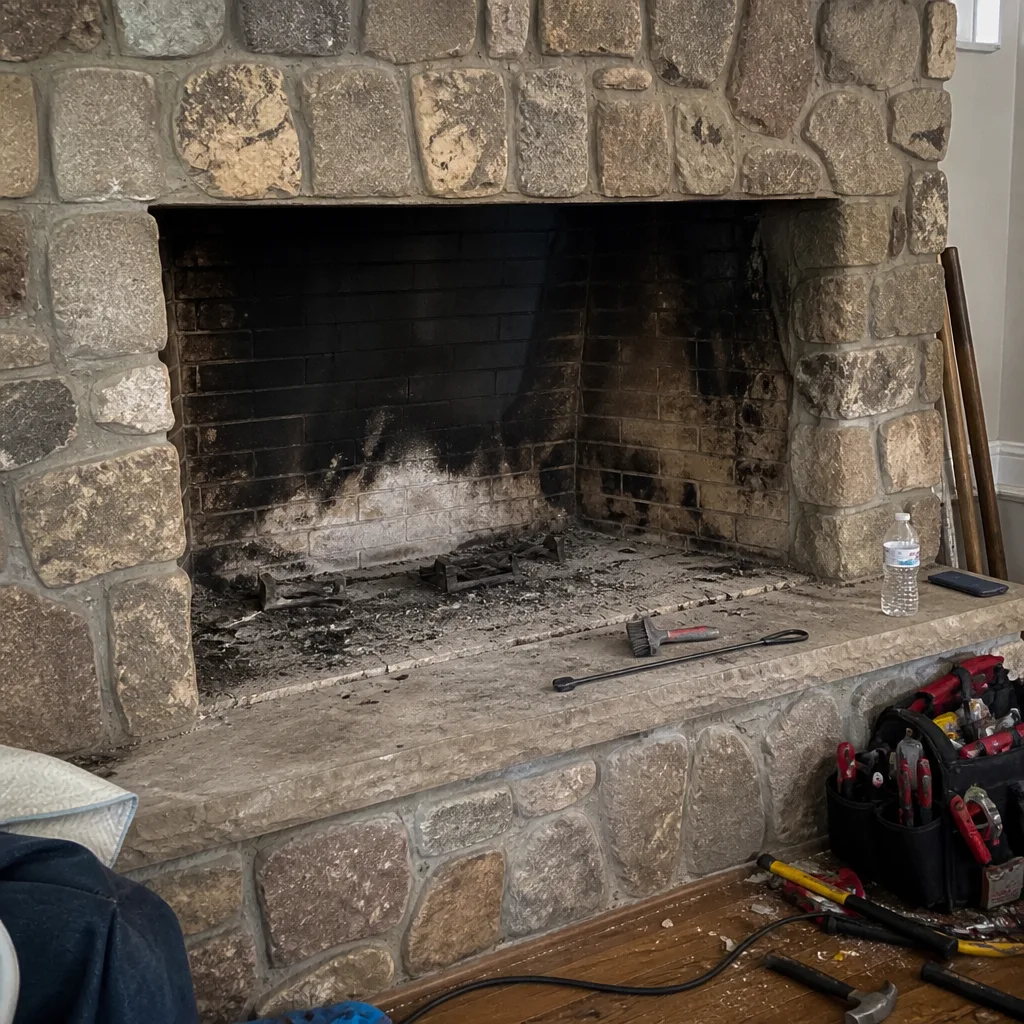 Before
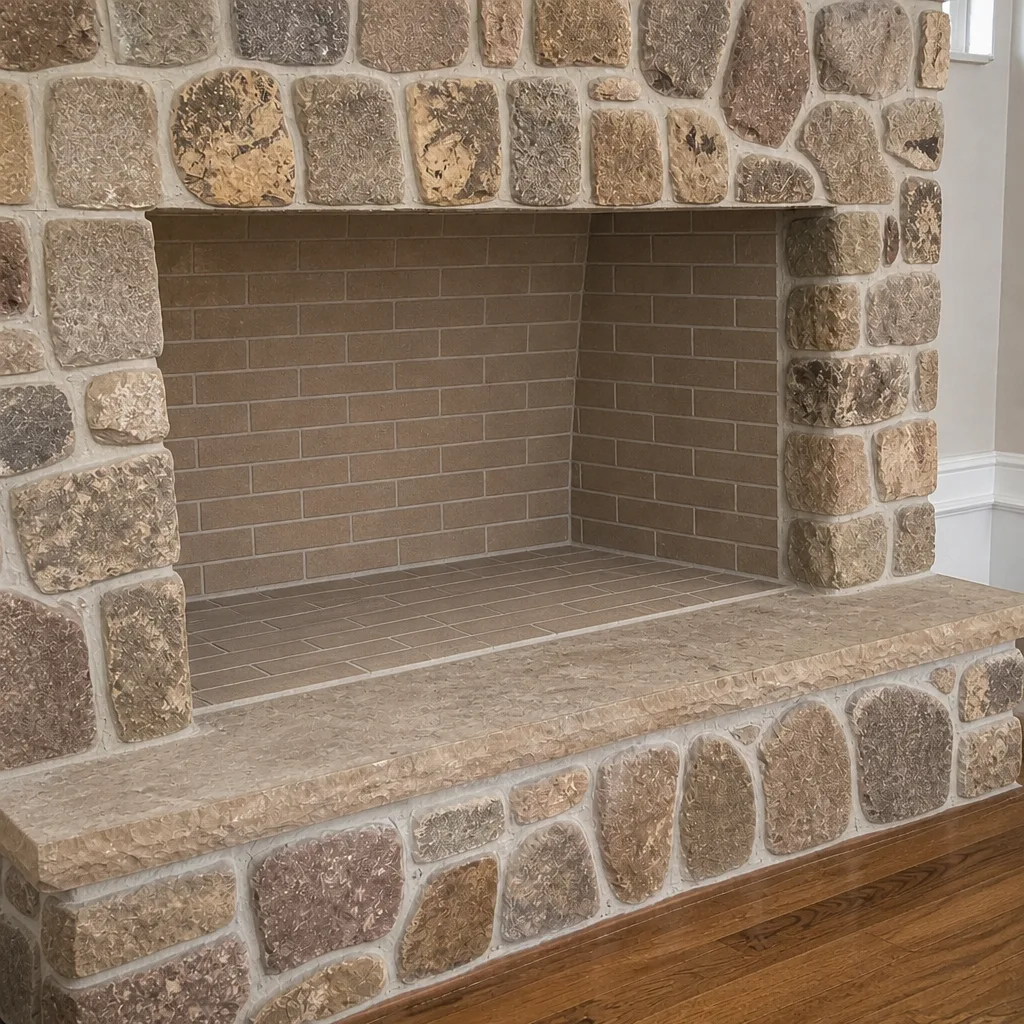 After
Common Chimney Cap & Crown Problems We See in College Hill Homes
- Cracked crowns on original masonry stacks. On the 1890s – 1930s chimneys that define College Hill, the crown is often the original mortar cap, and decades of Piedmont freeze-thaw have opened cracks that let rain straight into the flue. Once water is inside, the soft historic brick above the roofline starts spalling.
- Modern mortar on soft historic brick. Cap and crown repairs done with modern Portland mortar cause spalling and mismatched color, and on a street-visible stack that mismatch can trip the district’s design review. Lime-based mortar matched to the brick is the correct approach here.
- Unused gas-converted flues left open. Many College Hill fireplaces were converted to gas logs or sealed up, leaving unused flues that collect debris and nest material. A missing or loose cap lets birds and pollen straight in, and water pools at the crown above them.
- Liner cracks under a failing crown. Original clay-tile liners in these stacks crack and no longer meet clearance, so moisture reaches the surrounding masonry. What looks like a crown problem at the top is sometimes a liner problem underneath, and a camera inspection tells the two apart.
Pricing for Chimney Cap & Crown in College Hill, NC
Pricing is set per job by the written estimate, and the estimate is free. Typical ranges in the College Hill market:
- Single-flue chimney cap: usually $150 to $350 installed
- Multi-flue cap on a tall exterior stack: typically $300 to $650
- Custom cap sized to a Victorian-era stack and matched to design review: roughly $450 to $900
- Crown repair (patching and repointing): around $350 to $800
- Full crown rebuild with an overhang and lime mortar: typically $700 to $1,500
Crown rebuilds on College Hill cost more than in surrounding neighborhoods because brick and mortar have to be color-matched to the historic district’s standards. Nothing is recommended without camera evidence you can see, and if the crown can safely wait, we’ll tell you that too. Call (855) 812-5209 for an exact quote. Estimates are free.
We Also Serve Cities Near College Hill
We also work in College Hill and the surrounding Greensboro neighborhoods of Lindley Park, Sunset Hills, Westerwood, and Fisher Park. The masonry is a little different from district to district, but the standard for honest cap and crown work stays the same. If you’re just outside the historic district boundary, we can talk through which preservation rules apply to your block.
Serving College Hill, NC – Our Local Coverage Area
We serve College Hill and nearby communities. Use the map below to see the area we cover. If you’re nearby, we can almost certainly help.
FAQs – Chimney Cap & Crown in College Hill
Often, yes, at least for anything visible from the street. College Hill’s local historic designation governs exterior changes, so brick color, mortar tint, and cap profile usually have to fit preservation standards. Interior-facing work and anything not visible typically isn’t reviewed the same way, and we’ll flag which category your repair falls into before we start.
Because on the 1890s – 1930s stacks in this district, the crown is usually the original mortar cap, and it’s cracked. A sweep cleans the flue; it doesn’t stop water that’s already getting in through the crown. When we find a failing crown, we rebuild it with lime mortar and a proper overhang so the repair lasts as long as the brick around it.
A camera run through every flue, a look at the crown and cap from the top, and photos you keep. On a multi-flue stack that includes the ones you no longer use, so you know whether each opening is capped, whether the clay tile is cracked, and whether the crown above it is letting water in. Nothing gets recommended that the camera can’t show.
Yes. A multi-flue cap covers every opening in the stack, so unused gas-converted flues stay sealed against birds, pollen, and debris. That’s the whole point on a Victorian-era stack where several flues sit under one cap. We size it to the full footprint rather than leaving the dead flues exposed.
Shoulder-season burns on College Hill’s wood-burning fireplaces tend to leave creosote prone to glazing, and a glazed flue is a fire hazard the cap and crown can’t fix. That’s why we inspect before we install: the flue has to be clean and sound underneath before we seal the top. Call (855) 812-5209 for a free estimate.
Written by the team at Chimney Sweep Adams Farm.